




Nigeria’s Political System: A Former Lawmaker’s Indictment of Injustice and Institutional Decay
The Report
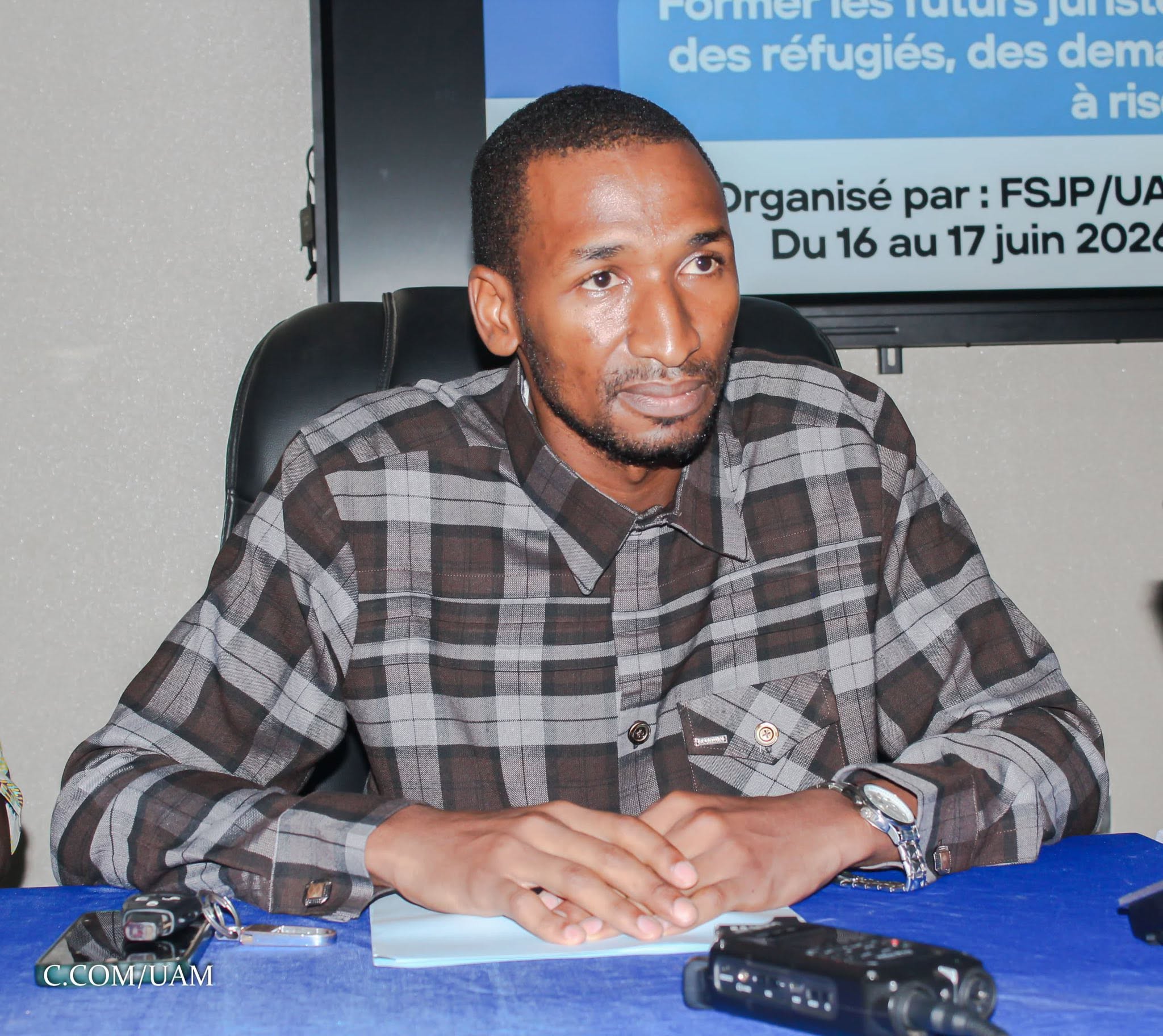
As reported by DITV Kaduna, former Nigerian House of Representatives member Abubakar Chika Adamu, who represented the Shiroro/Rafi/Munya Federal Constituency of Niger State from 2015 to 2019, has publicly declared that the Nigerian political system is fundamentally plagued by injustice and the mismanagement of public resources. Speaking in an interview, Adamu stated that his experience convinced him that meaningful service to the people is nearly impossible within the current framework. He disclosed that he has written a formal letter vowing never to contest for any political office again, noting that his previous candidacy was driven by public persuasion rather than personal ambition.
“I do not see any real benefit I brought to my people. When I got there, I discovered that unless you are willing to engage in injustice, it is difficult to survive in the system. I did not go there with the intention of being unjust.”
Adamu also lamented a perceived decline in security, electricity, and education, and raised concerns over freedom of expression. His remarks echo a 2017 letter, previously reported by DAILY POST, in which he cited eroding public trust in legislators as a reason for withdrawing from the re-election race.
WANA Regional Analysis
Adamu’s indictment, while personal, resonates far beyond his constituency. It reflects a growing disillusionment among West African political elites who enter public service with reformist intentions but encounter systemic resistance. Across the ECOWAS region, from Ghana to Sierra Leone, similar narratives of institutional inertia and the personal cost of integrity are emerging, though rarely articulated with such candor by a former officeholder.
The broader implications for Nigeria, the region’s largest economy and most populous nation, are significant. If a former federal lawmaker—someone who operated at the heart of legislative power—concludes that the system is irredeemably unjust, it signals a crisis of confidence that undermines democratic consolidation. For ECOWAS, which has invested heavily in promoting democratic governance and the rule of law, such admissions from within member states weaken the bloc’s collective credibility. They also provide ammunition to critics who argue that electoral democracy in West Africa has failed to deliver tangible improvements in security, infrastructure, and human development.
From a governance perspective, Adamu’s critique of declining sectors—security, electricity, education—mirrors data from regional indices. Nigeria’s power generation has stagnated below 5,000 megawatts for years, while the country ranks among the lowest in the region for educational outcomes. His mention of freedom of expression is particularly pointed, given Nigeria’s recent struggles with press freedom and the prosecution of journalists under the current administration. For West African policymakers, this serves as a reminder that public trust is not rebuilt through electoral cycles alone, but through demonstrable institutional reform.
Economically, the perception of systemic injustice deters both domestic and foreign investment. If even former lawmakers believe the system is rigged against honest service, investors will logically conclude that contracts, permits, and regulatory approvals are similarly compromised. This perception has real consequences for Nigeria’s ability to attract capital for infrastructure and energy projects, which in turn affects regional trade and economic integration under ECOWAS protocols.
Historically, West African governments have struggled with the gap between campaign promises and post-election performance. Adamu’s case is a stark illustration of how the political system can co-opt or neutralize well-intentioned individuals. His decision to exit politics voluntarily, rather than adapt to the system’s demands, is rare and noteworthy. It raises uncomfortable questions about the quality of representation across the region: if honest lawmakers are driven out, who remains?
Regional Backdrop
Nigeria’s National Assembly has long been criticized for its high cost of operation, opaque budgeting, and perceived disconnect from constituents. Similar criticisms have been leveled at legislatures in Ghana, Côte d’Ivoire, and Senegal. The ECOWAS Parliament, while largely advisory, has attempted to set standards for legislative accountability, but national parliaments remain sovereign and resistant to external oversight. Adamu’s 2017 letter, citing Islamic teachings on the rejection of those who seek office, adds a religious dimension to the critique—a framing that may resonate deeply in northern Nigeria and other Muslim-majority parts of the region.
Original Reporting By:
DITV Kaduna