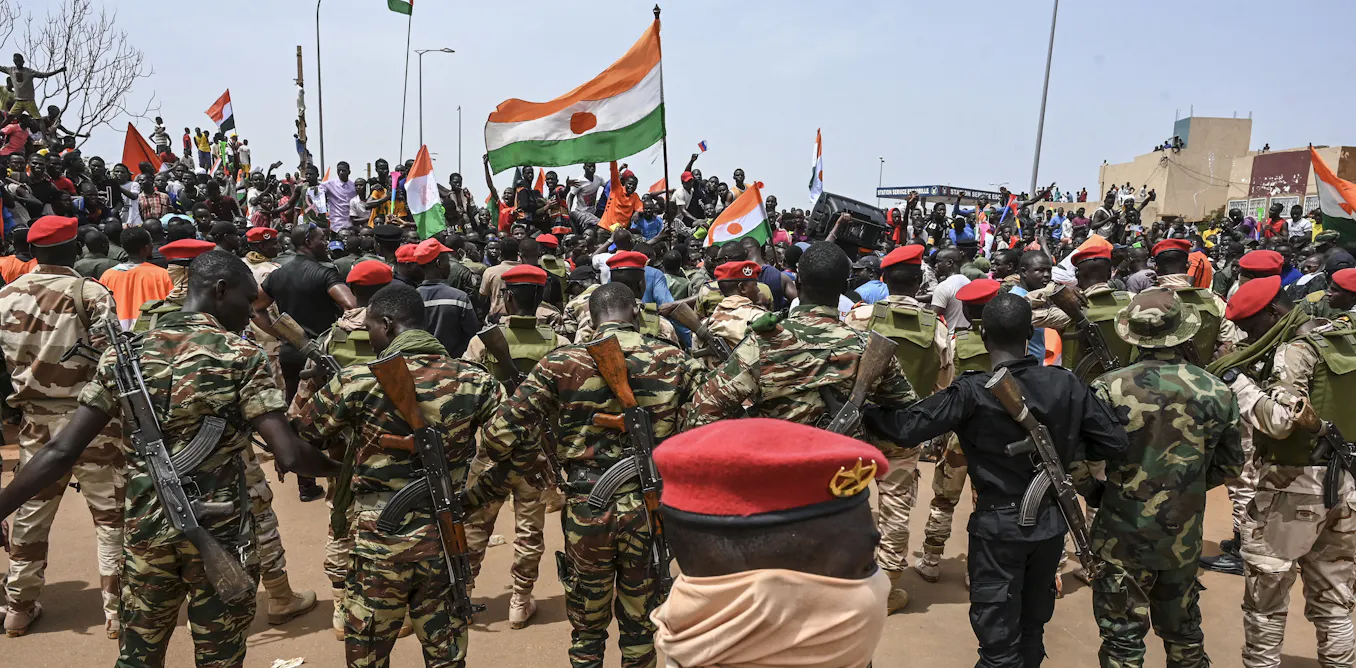



An attempt by soldiers to seize power in Niger’s capital on 29 August 2026 was brought under control by forces loyal to the ruling junta, according to the defence ministry.
The several-hour clash in Niamey marked the most significant internal challenge to General Abdourahamane Tchiani’s regime since he took power in 2023.
The episode came after a year in which jihadist violence repeatedly reached the capital. This time, however, the threat came from within the armed forces themselves, with the alleged involvement of younger, junior officers and frontline soldiers.
Persistent insecurity & personalised power
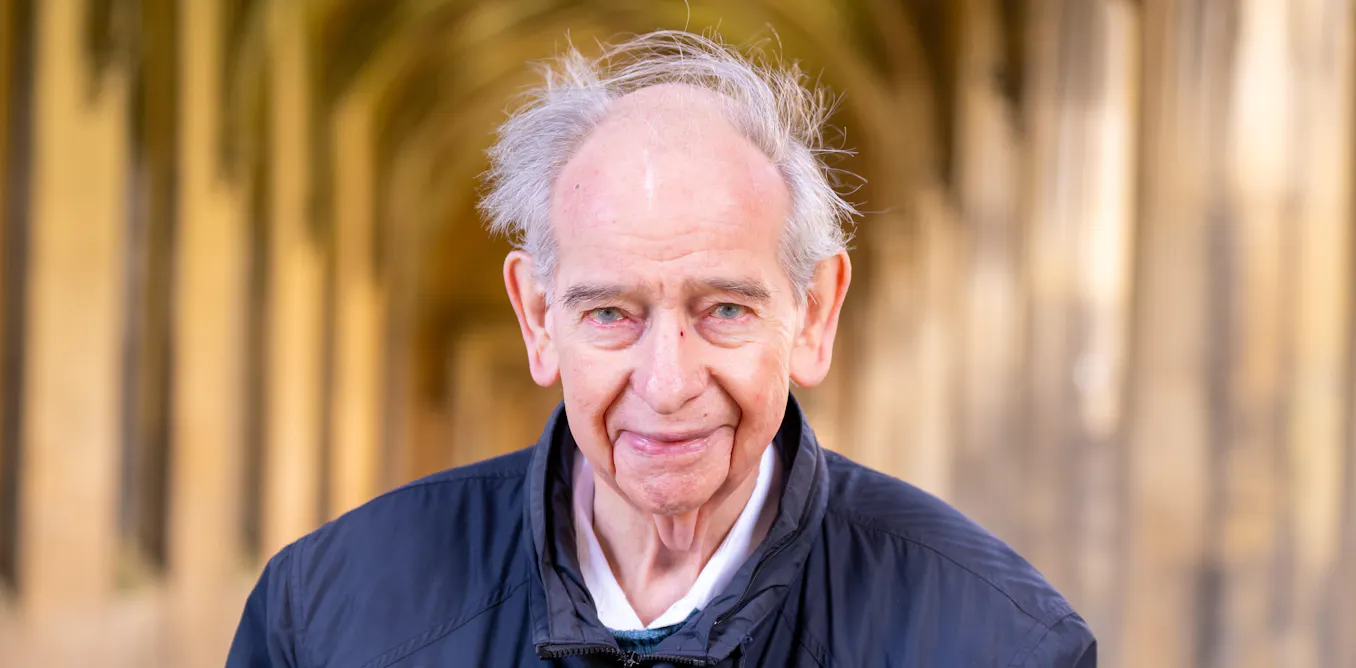
In an analysis for The Conversation, Salah Ben Hammou, a scholar of military coups who has published on west Africa, argues the event is part of a dangerous feedback loop when military rule meets protracted insurgency.
As juntas centralise power while failing to improve security, they can create discontent within the very institution that sustains their rule, he writes.
Lower-ranking officers bear the costs of an unresolved conflict while having little influence over how it is fought. Battlefield frustration can become political discontent within the ranks, Ben Hammou argues.
Similar pressures have emerged in Burkina Faso and Mali, where coup leaders have struggled to deliver on their security promises.
The problem can become self-reinforcing: the longer insurgencies persist, the harder it becomes for juntas to maintain cohesion within the armed forces.
When Tchiani, the former commander of the Presidential Guard, overthrew democratically elected president Mohamed Bazoum in 2023, he blamed the government for corruption and its failure to contain insurgency involving Jama’at Nusrat al-Islam wal-Muslimin (JNIM) and Islamic State Sahel Province (ISSP).
He proclaimed that Bazoum’s “security approach has not brought security to the country despite heavy sacrifices” and argued his seizure of power was necessary to save Niger from a “gradual and inevitable demise”.
Three years later, the security situation under military rule has steadily deteriorated, with JNIM and ISSP expanding the scope of their attacks. Civilian and military casualties have surged since the 2023 coup, approaching 2,000 in 2025 alone.
In January and June 2026, attacks reached Niamey, including the airport.
This deteriorating security situation stands in contrast to Tchiani’s entrenchment and personalisation of power. In 2025, he formalised his grip by becoming transitional president, effectively extending military rule from the 2023 coup through at least 2030.
Political parties have been fully dissolved, and high-ranking officers with personal ties to Tchiani have ascended to politically sensitive positions and gained influence across the bureaucracy.
A regional challenge?
Ben Hammou notes that coups can initially attract broad support, but that support can erode when new rulers fail to deliver. This is especially relevant for lower-ranking officers, who bear the brunt of a worsening insurgency.
Niger had already shown signs of this growing disconnect. In 2025, a junior officer directly confronted General Moussa Salaou Barmou, a senior junta member, over the conduct of the insurgency and the resources available to troops.
Earlier that year, soldiers at a garrison in Termit mutinied over poor living conditions, shortages of critical supplies and a perceived lack of support from the capital.
When senior officers flew in to negotiate, the soldiers detained them, a clear breach of the chain of command.
The August 2026 coupists included frontline soldiers deployed in Niger’s south-west, where ISSP has inflicted some of the heaviest losses on the armed forces. There, too, shortages of supplies and other resources have fuelled frustration among troops.
Niger is hardly alone in confronting this dilemma. Military officers in Mali and Burkina Faso, fellow members of the Alliance of Sahel States, came to power promising to resolve the security crises that had undermined their civilian predecessors.
In Burkina Faso, Captain Ibrahim Traoré and other junior officers overthrew Lt. Col. Paul-Henri Sandaogo Damiba in September 2022 after accusing him of failing to contain the insurgency.
Traoré now faces a similar challenge, having faced repeated allegations of coup plots.
In Mali, an offensive by JNIM and the Azawad Liberation Front reached Bamako earlier this year and killed defence minister General Sadio Camara, prompting junta leader Assimi Goïta to assume the defence portfolio himself.
The juntas have also changed how they fight these wars.
Mali, Burkina Faso and Niger have withdrawn from the regional economic body Ecowas, abandoning an important regional framework for security cooperation, while turning increasingly to Russia and its Africa Corps for military support.
Ben Hammou writes that the new partnership has helped the regimes protect themselves from challenges, but has done little to contain the insurgencies.
Source: The Conversation