

Ethiopia has taken a concrete step toward joining a regional system that gives member states a monthly, rather than annual, picture of food availability. The COMESA Secretariat recently concluded a three-day technical workshop in Addis Ababa to train Ethiopia’s National Technical Committee on the Regional Food Balance Sheet (RFBS), a flagship initiative designed to support trade facilitation, early warning, and food security decision-making.
Workshop Details and Participants
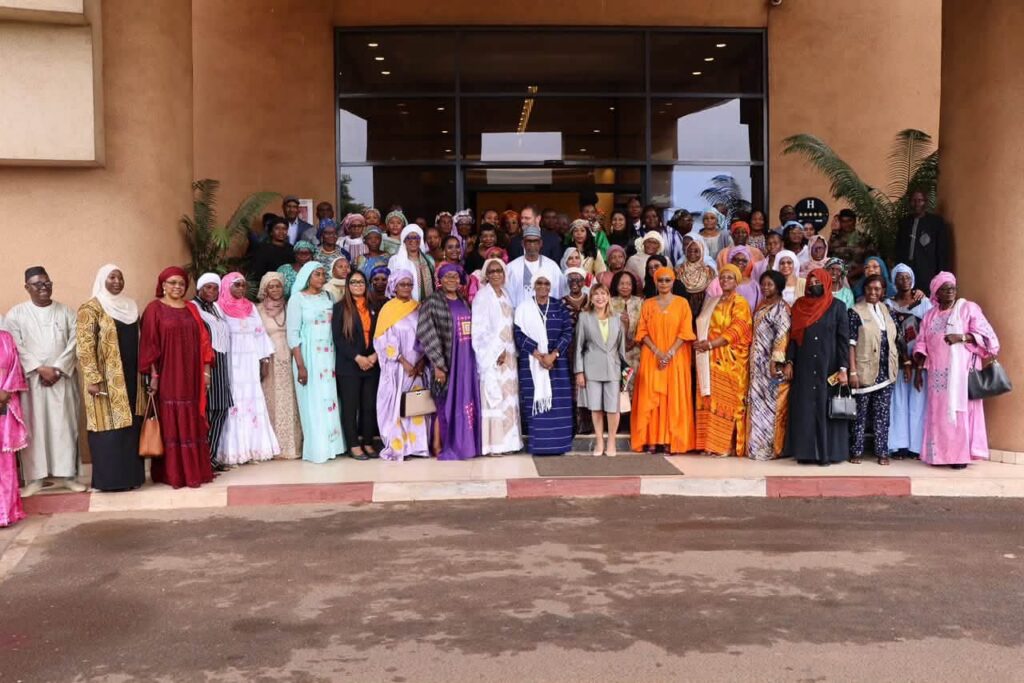
Held from 30 June to 2 July 2026, the workshop brought together representatives from Ethiopia’s Ministry of Agriculture, Ministry of Trade, the Ethiopian Statistical Service (ESS), and the Ethiopian Trading Business Corporation. According to the COMESA Secretariat, the session marked a significant step toward Ethiopia’s full integration into the RFBS reporting cycle alongside other member states.
How the RFBS Differs from Traditional Assessments
Unlike conventional annual food balance assessments, the RFBS resolves supply and utilization down to the month. This allows planners and traders to identify surpluses and deficits before they materialize, particularly during lean seasons that annual figures alone can mask. The workshop introduced participants to the RFBS methodology, the balance identity underpinning each commodity sheet, and the online reporting portal through which national data is submitted and validated.
Commodities and Data Gaps Identified
Participants worked on maize, finger millet, soya beans, beans, wheat, teff, rice, and sorghum. They mapped the national institutions responsible for each data line and identified the seasonal calendars, price data, and historical records available for their commodities. The exercise surfaced both the strength of Ethiopia’s existing data infrastructure and specific gaps—chiefly in monthly disaggregation and rural-urban price coverage—that the national team will need to close ahead of the 2026/2027 RFBS forecasting cycle.
Roadmap and Next Steps
The workshop closed with the adoption of a roadmap and action plan charting Ethiopia’s path to full RFBS integration. The plan includes the formal establishment of a National RFBS Steering Committee and Technical Working Group, nomination of a National Focal Point, and validation of national datasets in the weeks following the workshop. The RFBS is currently operational across several COMESA member states, with Ethiopia’s onboarding forming part of the Secretariat’s continued expansion of the initiative across the region.
Why This Matters
For a country that has experienced recurrent food security challenges, gaining access to monthly data on food availability could improve the timing of trade interventions and humanitarian responses. The shift from annual to monthly resolution means that planners can detect emerging shortages or gluts during critical lean periods rather than waiting for end-of-year summaries. The RFBS portal, accessible at www.rfbsa.com, serves as the central platform for data submission and validation across participating states.
As Ethiopia works to close the identified data gaps—particularly around monthly disaggregation and price coverage in both urban and rural areas—the coming months will determine how quickly the country can begin contributing to and benefiting from the regional food balance sheet.


1 comment