




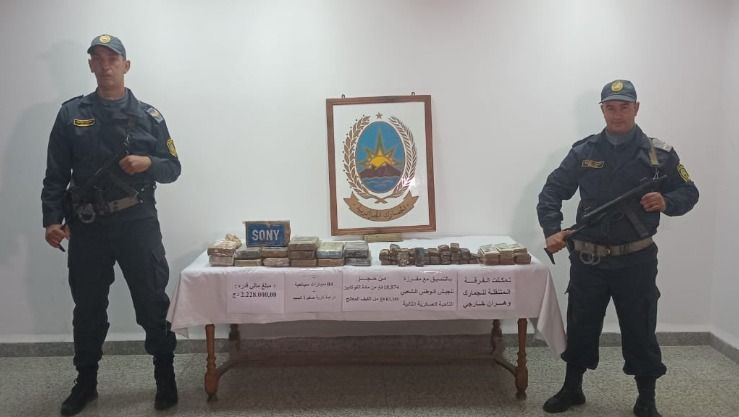
In a significant blow to narcotics networks, Algerian customs authorities in Oran announced the seizure of 18.074 kilograms of cocaine and 3.380 kilograms of processed kif (cannabis resin). This operation, however, is more than a simple news bulletin; it is a revealing snapshot of evolving trafficking trends, national security priorities, and the complex economics of the illicit drug trade in North Africa.
The financial and material assets confiscated alongside the drugs are particularly telling. Authorities recovered 2,228,000 Algerian dinars (approximately $16,500 USD), five passenger cars, and a motorcycle. This haul points to a sophisticated operational cell. The cash represents working capital for logistics, bribes, and payments, while the fleet of vehicles is indicative of a ‘rapid transport and distribution’ model, allowing traffickers to move product quickly and avoid fixed checkpoints. The seizure of both high-value cocaine and locally popular kif suggests a diversified criminal portfolio, potentially using established cannabis distribution channels to infiltrate the more lucrative cocaine market.
Contextualizing the Seizure: Why Oran? Why Now?
Oran, Algeria’s second-largest city and a major Mediterranean port, is a strategic transit point. This seizure underscores Algeria’s role as a key battleground in the southern gateway of the European drug trade. Cocaine typically originates in South America, travels via West African hubs, and is then smuggled north across the Sahara or by sea. This 18kg seizure, while substantial, is likely just a fraction of the total flow, hinting at the scale of the challenge. The arrest of five individuals, now facing the public prosecutor, aims to dismantle not just the cargo, but the network itself—moving from interdiction to prosecution and intelligence-gathering.
The Bigger Picture: National Security and Citizen Safety
The official statement rightly frames this as a matter of ‘national security and the safety of citizens.’ This is not rhetorical. Drug trafficking fuels organized crime, corruption, and violence. The profits can destabilize local economies and institutions. For citizens, the influx of hard drugs like cocaine correlates with increased addiction rates, associated health crises, and petty crime. This operation, born from the ‘coordination and permanent mobilization of various state agencies,’ reflects a whole-of-government approach combining customs, police, gendarmerie, and the judiciary. Such inter-agency cooperation is critical, as traffickers constantly adapt their methods to exploit jurisdictional gaps.
Practical Implications and Unanswered Questions
While a clear success, this seizure raises important questions:
• Supply Chain: Was this shipment destined for local Algerian consumption, or was Algeria merely a transit country to European markets?
• Network Resilience: How deep does the arrested network go? Does it have international links?
• Market Impact: A seizure of this size will create a temporary local shortage, driving up street prices and potentially triggering violence between groups vying for control.
For the public, this news serves as a stark reminder of the pervasive nature of the global drug trade. For policymakers, it validates investment in border security and cross-agency task forces. For analysts, it is a data point in mapping the shifting routes of transnational crime.
In conclusion, the Oran seizure is a tactical victory with strategic implications. It highlights Algeria’s proactive stance, reveals the operational tactics of traffickers, and underscores the inextricable link between drug interdiction and broader societal stability. The true measure of success will be how the intelligence gleaned from this bust fuels the next wave of disruptions.