

The recent political firestorm ignited by the ANC’s condemnation of Communications Minister Solly Malatsi’s policy directive is more than mere partisan sparring. It represents a profound clash between rigid ideological dogma and the pragmatic flexibility required for economic growth. To understand the stakes, one must look beyond the rhetoric to the substantive issue at hand: the recognition of Equity Equivalent Investment Programmes (EEIPs) within the ICT sector’s licensing framework.
The ANC’s statement, framed as a defence of parliamentary authority and transformation, fundamentally mischaracterises the minister’s move. Rather than an assault on Black Economic Empowerment (BEE), the directive seeks to harmonise regulatory inconsistency. Currently, the Independent Communications Authority of South Africa (Icasa) mandates a strict 30% equity ownership by Historically Disadvantaged Persons (HDPs) for telecoms licenses. This stands in direct conflict with the official ICT Sector BEE Code, administered by the Department of Trade, Industry and Competition, which already sanctions EEIPs as a legitimate alternative for multinationals.
EEIPs are not a loophole or a dilution of BEE; they are a lawful and established component of its architecture. These programmes allow foreign-owned companies, for whom a forced equity sale may be a global corporate policy violation or a strategic non-starter, to contribute to transformation through substantial, measurable investments in areas like:
- Enterprise Development: Funding and mentoring black-owned suppliers and SMMEs.
- Skills Development: Large-scale investment in ICT training, scholarships, and digital literacy programmes.
- Socio-Economic Development: Investing in critical infrastructure, such as connecting schools and clinics.
Companies like Microsoft and Amazon Web Services already utilise such programmes in South Africa, generating tangible economic impact without an equity transfer. The argument, therefore, is whether a potentially passive 30% shareholding (which may be quickly sold) delivers more transformative value than a binding, multi-million rand investment in skills and supplier development that builds lasting capacity.
Ideological tantrum
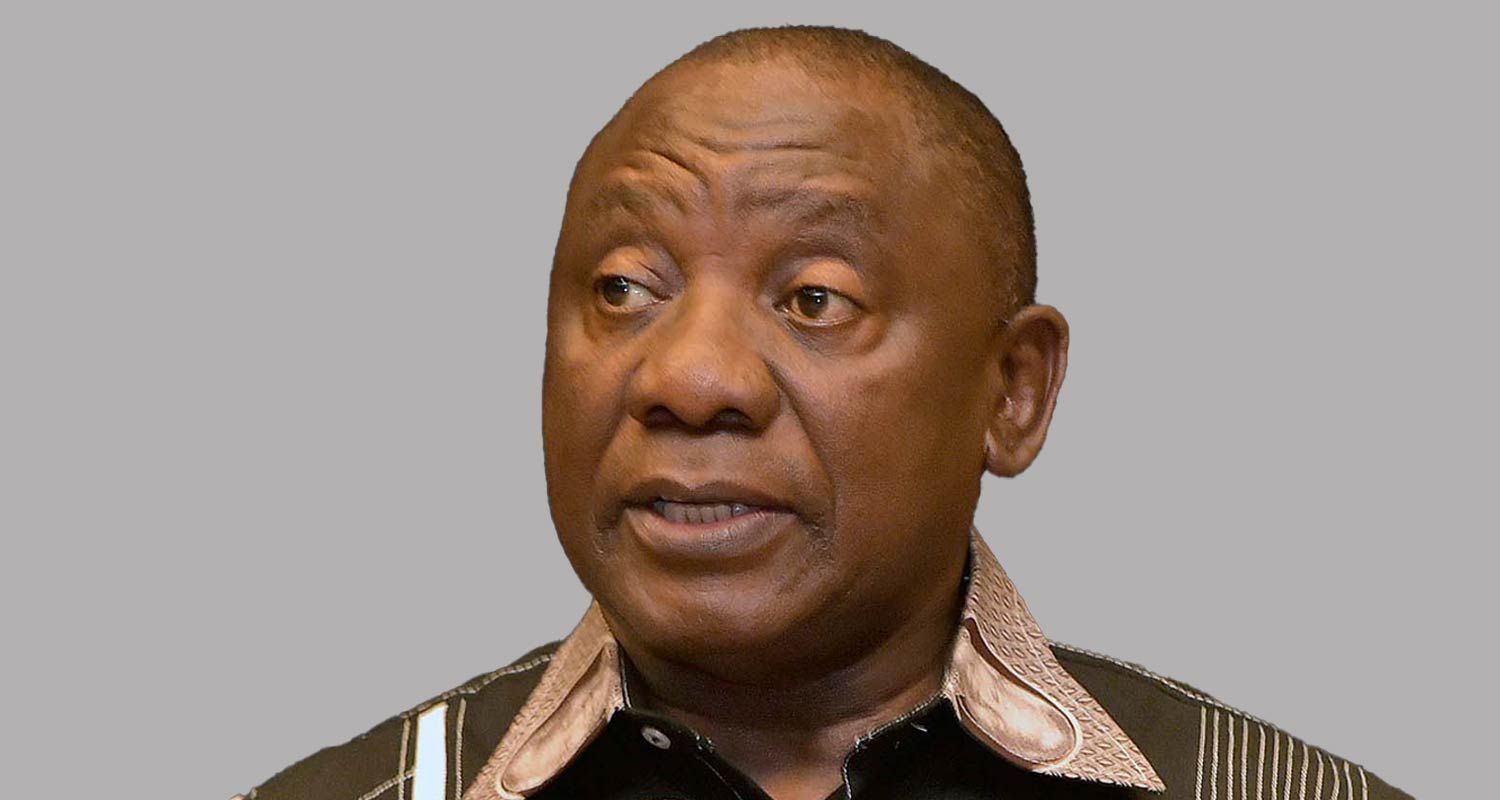
The ANC’s reaction is particularly puzzling given President Cyril Ramaphosa’s own public endorsement of the directive’s draft form. He clarified that EEIPs are valid, lawful, and aim to remove legal inconsistency—not to dismantle empowerment. This creates a stark contradiction: the party is publicly castigating a policy its own leader has endorsed, revealing deep internal fissures and placing the independent regulator, Icasa, in an impossible political bind.
This conflict has been unnecessarily—and perhaps strategically—conflated with the case of Starlink. Elon Musk’s criticisms of BEE laws have made his company’s licensing application a lightning rod. However, crafting policy based on animosity towards a single personality is a dangerous precedent. The principle of EEIPs predates Starlink’s interest and applies to a broad range of potential investors. Basing a critical economic policy decision on reactions to Musk’s provocations cedes strategic ground to external actors and distracts from the systemic issue: an inflexible rule that has demonstrably stifled investment in a critical sector for over a decade.
Read: Political war erupts over BEE in the ICT sector
The economic context is inescapable. South Africa suffers from chronically low growth, catastrophic unemployment, and weak foreign direct investment. The telecoms sector, a proven catalyst for broader economic development, has been hamstrung by the very rule the ANC defends. Potential entrants see a market with great need and opportunity but are deterred by the mandatory equity dilution. The result is less competition, slower infrastructure rollout, higher costs for consumers, and missed opportunities for job creation in network deployment and digital services.
This moment reveals a critical crossroads for BEE philosophy. The original, noble goals were to redress injustice, deracialise the economy, and create inclusive growth. However, any policy instrument must be evaluated by its outcomes, not just its inputs. If the rigid application of a single mechanism (equity ownership) actively deters the capital and expertise needed to grow the economic pie, it ultimately undermines the very transformation it seeks to achieve. Empowerment without economic growth is a zero-sum game that leaves everyone poorer.
Malatsi’s directive proposes a pragmatic evolution: a ‘comply-or-explain’ framework within BEE. Companies can choose the 30% equity route or, if they have legitimate constraints, propose a substantial EEIP for regulator approval. This maintains the pressure for transformation while acknowledging the complexities of global capital. It is the kind of flexible, outcome-oriented thinking that modern, fast-growing economies employ.
Icasa in the crosshairs
The ANC’s dogmatic stance risks turning BEE into an untouchable idol, a symbol to be defended regardless of its practical consequences. This invites a dangerous backlash, where calls to scrap the entire framework grow louder from frustration over its perceived rigidity. The smarter path is to adapt the tools to meet the original goals in a changed global context. True defenders of transformation should welcome mechanisms that unlock investment, accelerate digital inclusion, and create real jobs—all of which are profound empowerment outcomes.
Read: Icasa told to align on BEE in move that will favour Starlink
In the end, the attack on Minister Malatsi is less about legal nuance and more about political signalling. It is a performance of ideological purity that ignores both the president’s position and the stark economic realities facing millions of South Africans. The directive deserves a sober debate on its merits: will it increase investment, accelerate digital access, and deliver measurable empowerment benefits? If the answer is yes, then dogma must give way to pragmatism. The future of South Africa’s economy, and the credibility of its empowerment project, depends on choosing the right path forward.

– © 2025 NewsCentral Media
Get breaking news from TechCentral on WhatsApp. Sign up here.
- The author, Duncan McLeod, is editor of TechCentral. This analysis has been expanded by an expert editor to provide deeper context and economic framing.
1 thought on “Beyond Dogma: How the ANC’s Attack on Malatsi Reveals a Critical Crossroads for BEE and South Africa’s Economic Future”