

[[PEAI_MEDIA_X]]
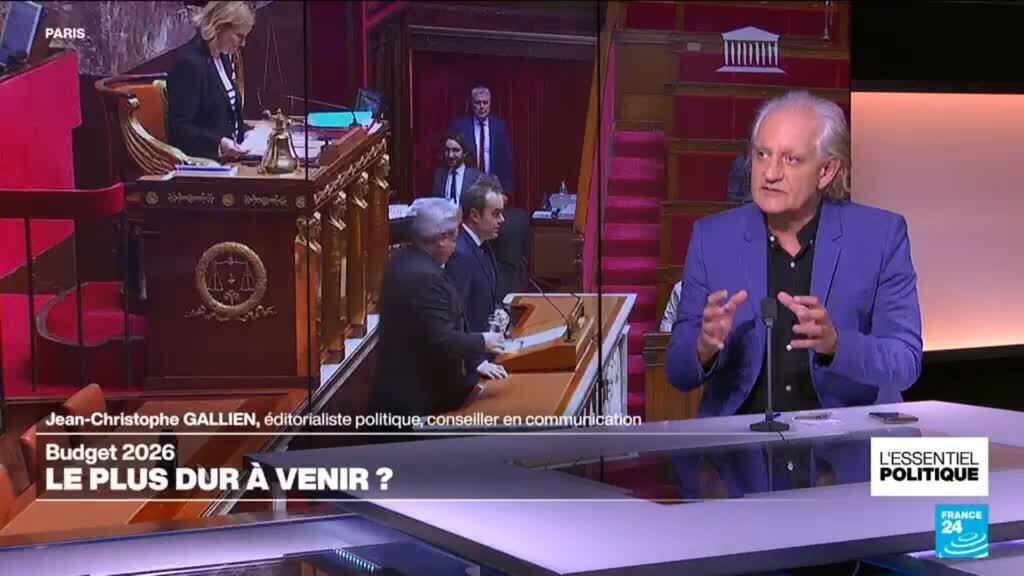
The upcoming 2026 municipal elections in France are far more than a local administrative exercise; they represent a critical inflection point for the nation’s major political families. For the Socialist Party (PS) and The Republicans (LR), these contests are a high-stakes battle for political survival and relevance, with outcomes that will reverberate through the 2027 presidential race. This analysis, drawing on insights from Jean-Christophe Gallien, political editorialist and communication consultant, delves into the strategic calculations, internal fractures, and national implications of these local campaigns.
The 2026 Budget: The Pre-Election Battleground
The political maneuvering for 2026 is already underway, framed by the debate over the 2026 national budget. This fiscal blueprint is the government’s primary tool for signaling its priorities—be it tax cuts, public investment, or deficit reduction. For opposition parties like LR and the PS, their response to the budget is a crucial dress rehearsal. It forces them to articulate a coherent economic alternative and exposes internal divisions. A party that cannot present a united front on fiscal policy will struggle to convince voters of its governing competence at the municipal level, where budgets for housing, transportation, and local services are paramount.
Paris: The Ultimate Political Prize and Microcosm of National Trends
The Paris mayoral race is the crown jewel of the municipal elections, a campaign of national and even international significance. Control of the capital is a powerful symbolic and media platform. For the PS, holding Paris is non-negotiable; it is their last major bastion of executive power and a vital source of funding and talent. For LR, a credible challenge in Paris is essential to proving the party’s recovery and appeal in urban centers beyond its traditional rural and suburban strongholds. The Parisian campaign will test new political alliances, the salience of issues like security and green transition, and serve as a key indicator of shifting voter coalitions.
The Republicans’ Existential Divide: A Party at War with Itself
The state of LR is perhaps the most dramatic subplot. The party is profoundly divided between a faction seeking a clearer alliance with the presidential majority and another pushing for a more defiant, ideologically distinct right-wing opposition. This schism isn’t just philosophical; it has direct, practical consequences for the municipals. Will LR candidates in different cities run on conflicting platforms? Will national party apparatus support be withheld from recalcitrant local figures? This internal war jeopardizes their ability to mount cohesive campaigns, potentially ceding ground to the National Rally (RN) on the right and the presidential majority in the center.
Strategic Implications for 2027: The Municipal Springboard
Municipal elections are the ultimate testing ground for personnel, policy, and political messaging. A mayor who successfully navigates local challenges becomes a formidable candidate for higher office. Conversely, a party that suffers significant losses at the municipal level enters the presidential cycle weakened, resource-depleted, and demoralized. For the PS, a poor showing could cement its status as a minor player. For LR, failure could trigger a final, irreversible split. The 2026 results will thus determine the balance of power within opposition blocs, shape potential presidential primaries, and define the strategic options available to all actors as they turn their gaze to the Élysée.
In essence, the 2026 municipal elections are a multi-dimensional chess game. They are a test of local governance, a referendum on national parties, and the opening act of the next presidential drama. The budget debate, the battle for Paris, and the civil war within LR are not isolated events but interconnected moves in this larger contest where the political futures of France’s historic governing parties will be decided.
Source link

Comments