






Strengthening Biosafety Governance in West Africa: Key Outcomes from the Dosso National Workshop
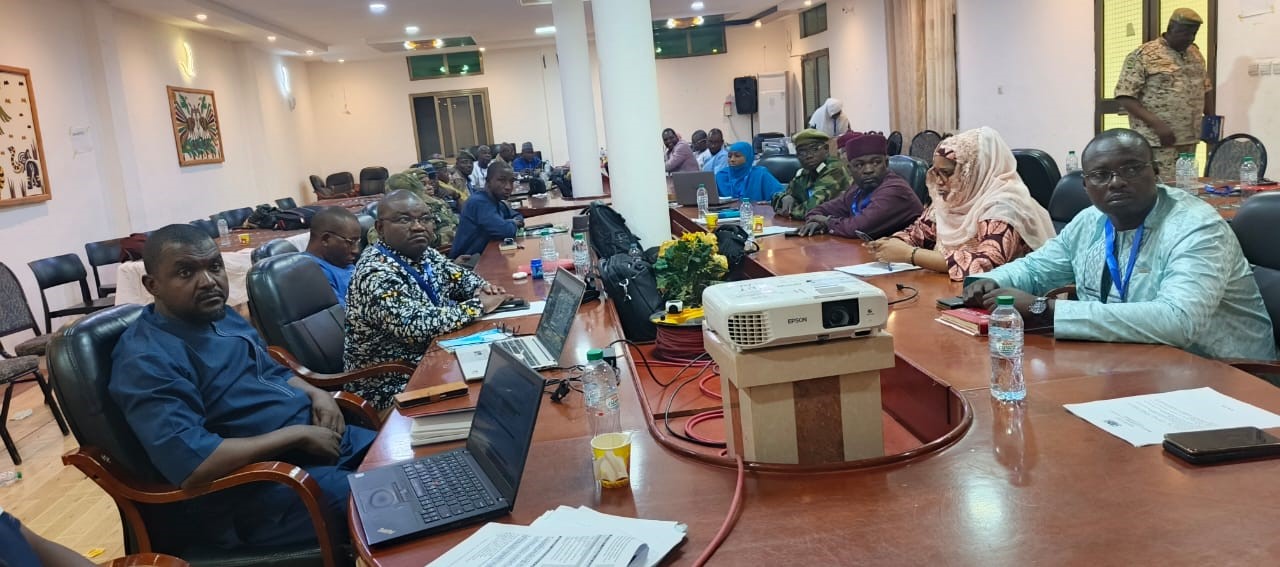
From April 20 to 22, 2026, the city of Dosso, Niger, hosted a pivotal national workshop aimed at disseminating the West African community regulation on the prevention of biotechnological risks. This three-day event brought together a diverse group of experts, researchers, and institutional representatives to address the growing environmental and health threats that demand robust biosafety frameworks. The workshop not only highlighted critical gaps in the current system but also laid a concrete roadmap for enhanced governance, making it a landmark event for the region.
Setting the Stage: The Urgency of Biosafety in West Africa
Biosafety—the prevention of large-scale loss of biological integrity—has become a pressing concern in West Africa, where agricultural practices, biotechnology adoption, and cross-border trade are rapidly evolving. The workshop focused on the UEMOA (West African Economic and Monetary Union) regulation, which aims to harmonize biotechnological risk prevention across member states. Dr. Alhassane Mahamadou, the national biosafety focal point, emphasized during the closing ceremony that operationalizing the permanent secretariat is a prerequisite for effective governance. Without a dedicated, autonomous authority, efforts to monitor and mitigate risks remain fragmented and under-resourced.
Key Recommendations: Building a Coherent Legal and Institutional Framework
Participants formulated a series of actionable recommendations designed to transform biosafety from a theoretical concept into a practical, enforceable reality. These include:
1. Establishing a Permanent Biosafety Secretariat
The urgent creation of a competent and autonomous national authority, aligned with UEMOA community prescriptions, was identified as the cornerstone of reform. This secretariat would serve as the central coordinating body for all biosafety activities, from risk assessment to emergency response.
2. Updating Environmental Laws and Implementing Texts
Current environmental legislation in many West African nations is outdated and lacks specific provisions for modern biotechnological risks. The workshop recommended a comprehensive review and update of these laws, along with the adoption of necessary implementing texts to ensure legal coherence and enforceability.
3. Strengthening National Laboratories
Laboratories are the frontline defense against biological threats, yet many lack adequate equipment and trained personnel. The workshop called for significant investment in both infrastructure and human resources, with a clear pathway toward international accreditation. This would enable labs to reliably detect and characterize pathogens, pesticides, and genetically modified organisms.
4. Creating a National Surveillance and Early Warning System
A robust surveillance system, including border controls and a multidisciplinary investigation team, is essential for early detection of biological risks. This system would integrate data from agriculture, health, and environmental sectors, providing real-time alerts to prevent outbreaks or contamination events.
5. Mobilizing Resources from Technical and Financial Partners
Implementing these recommendations requires sustained funding. The workshop urged collaboration with international partners—such as the World Health Organization, the Food and Agriculture Organization, and development banks—to support the national and community roadmap.
Beyond Technical Fixes: Awareness, Synergy, and Education
The workshop also emphasized that biosafety is not solely a technical issue; it requires cultural and institutional change. Key recommendations in this area include:
- Increased awareness among state actors, civil society, and populations to internalize biosafety-related texts and practices. Public education campaigns can help farmers, traders, and consumers understand the risks of improper pesticide use or unregulated biotechnology.
- Strengthening regional synergy, particularly within the Alliance of Sahel States, to harmonize regulatory frameworks and establish a network of laboratories with a designated reference center. This would facilitate data sharing, joint investigations, and coordinated responses to transboundary threats.
- Integrating biosafety dimensions into research projects and training curricula at universities and technical institutes. By embedding biosafety principles in education, future scientists and policymakers will be better equipped to manage risks proactively.
A Sobering Testimony: The Human Cost of Inaction
Dr. Bibata Ali Outani, a researcher at the National Institute of Agronomic Research of Niger, delivered a poignant testimony that underscored the real-world consequences of weak biosafety governance. She described how some producers spray their crops just before harvest, ignoring safety intervals designed to allow pesticide residues to degrade. “This exposes consumers to serious public health dangers,” she warned, highlighting the link between agricultural practices and chronic diseases such as cancer, neurological disorders, and reproductive issues.
Dr. Outani also raised the specter of bioterrorism, noting that biological agents could be weaponized if not properly controlled. She stressed that biosafety is not just an environmental or public health issue—it is a matter of national security. Her remarks served as a powerful reminder that the stakes extend far beyond laboratory protocols.
Fostering Collective Action and Cooperation
Beyond the formal recommendations, the workshop succeeded in creating a collective dynamic among diverse actors. Participants from different institutions—including ministries, research centers, customs agencies, and civil society organizations—gained a better mutual understanding of each other’s roles and capabilities. This newfound cooperation is expected to pave the way for joint initiatives, such as coordinated border inspections and shared training programs.
At the conclusion of the proceedings, participants expressed their gratitude to the State of Niger for hosting the workshop, to the administrative and customary authorities of Dosso for their warm welcome, and to UEMOA for its financial support. The event marked a significant step forward in the region’s journey toward resilient biosafety governance.
Post navigation
Looking Ahead: From Recommendations to Action
The Dosso workshop has provided a clear blueprint for strengthening biosafety governance in West Africa. However, the true test lies in implementation. Governments must prioritize the creation of the permanent secretariat, allocate budgets for laboratory upgrades, and enact the necessary legal reforms. Regional bodies like UEMOA and the Alliance of Sahel States must continue to provide technical and financial support, while civil society and the private sector must be engaged as active partners.
For readers interested in biosafety policy, this workshop offers valuable lessons: effective governance requires not only technical expertise but also political will, public awareness, and cross-sector collaboration. As Dr. Outani’s testimony reminds us, the cost of inaction is measured in human lives and environmental degradation. The time to act is now.
Abdoul Moumouni Mahamane
ONEP Dosso