



Togo: President Gnassingbé Revives Independence Flame on Eve of 66th Anniversary
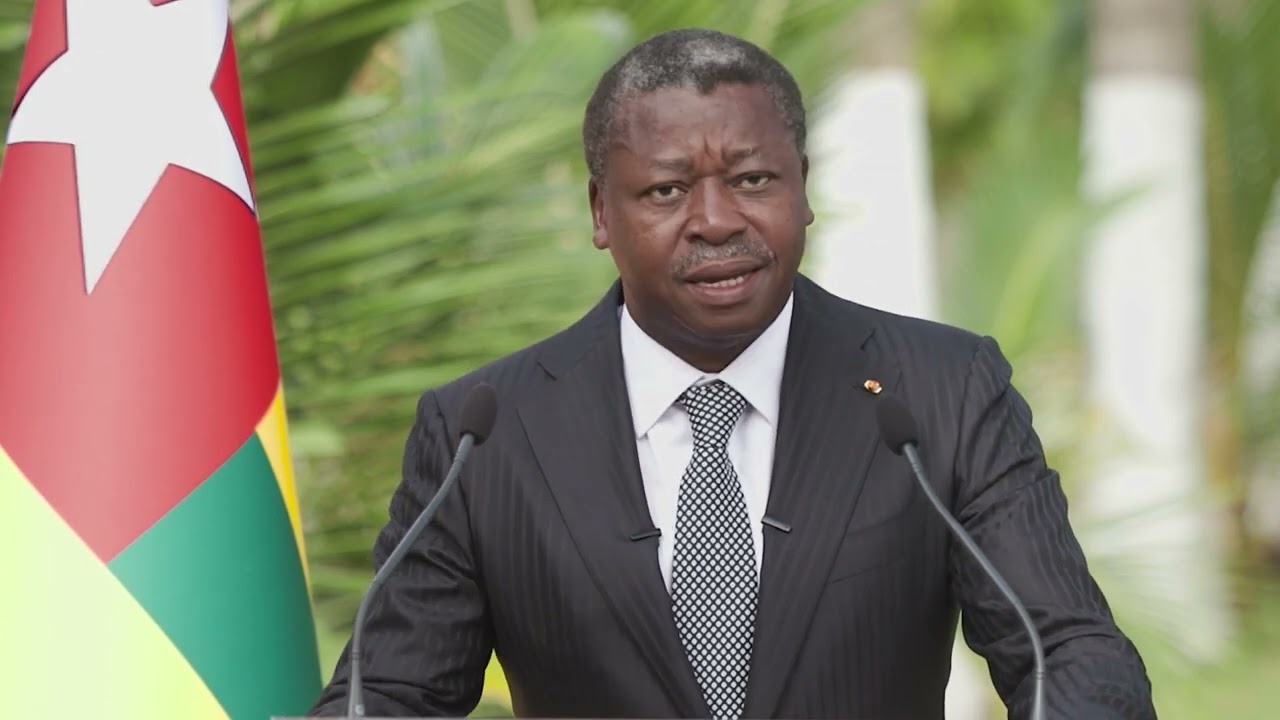
On the eve of Togo’s 66th independence anniversary, President of the Council Faure Gnassingbé presided over the ceremonial rekindling of the independence flame, a ritual deeply embedded in the nation’s republican calendar. The event, held in Lomé, drew together senior state officials, political and administrative leaders, as well as military, traditional, and diplomatic representatives, all gathered to affirm their commitment to the foundational values of the nation.
This development occurs against a backdrop of regional political and security realignments, lending the commemoration a heightened resonance. Beyond the formal decorum, the gesture is widely interpreted as an assertion of historical continuity—a deliberate homage to the architects of Togolese sovereignty, whose struggles and sacrifices paved the way for the country’s independence.

The administration’s approach seeks to blend memory with forward-looking ambition, framing the anniversary within a dynamic that honours past legacies while projecting a vision for the future. Following the ceremony, President Gnassingbé engaged directly with the assembled crowds, greeting citizens in an atmosphere that balanced solemnity with popular fervour—a reflection, observers note, of the enduring attachment to this national symbol.
The implications for the regional political landscape are twofold: first, the event reinforces the narrative of stability and unity at a time when neighbouring states face internal pressures; second, it underscores the ruling establishment’s emphasis on institutional continuity as a cornerstone of governance. Industry insiders suggest that such rituals serve not only as commemorative acts but also as strategic tools for consolidating national identity amid shifting geopolitical currents.
Source Content: Original Report (Summary)