
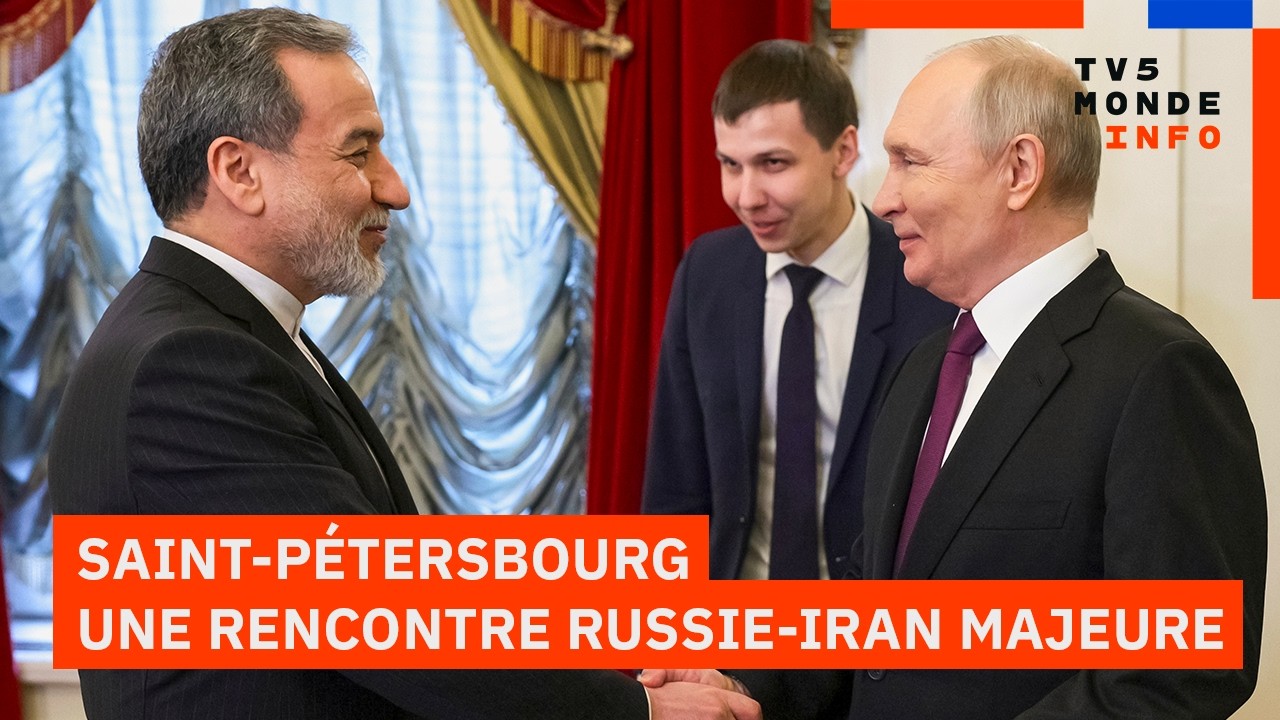
Iran and Russia Force Washington into Contradictory Last-Minute Decisions, Says New York Times
In a revealing analysis, The New York Times reports that coordinated pressure from Iran and Russia has pushed the United States Treasury Department into a state of reactive policymaking, forcing Washington to abandon long-term strategy in favor of last-minute, contradictory decisions.
According to the report, this mutual pressure has caused the Treasury Department—responsible for managing sanctions—to lose its stability and resort to what the newspaper describes as “reactive actions and situational decisions.”
In practical terms, instead of a coherent, long-term strategy, Washington is now compelled to constantly shift its policy on a whim to avert economic crises. The report highlights a striking example: at the height of the confrontation with Iran, the United States lifted its oil sanctions against both Iran and Russia. Subsequently, the U.S. Treasury Secretary first announced that sanctions exemptions for Russia would not be renewed, then extended them a few days later, and now states again that these exemptions will not be extended.
This development occurs against a backdrop of intensifying geopolitical competition in the global energy market, where Iran and Russia have increasingly coordinated their oil and gas strategies to challenge Western sanctions regimes. Analysts often point to the growing interdependence of these two nations as a key factor in destabilizing traditional U.S. policy frameworks.
The implications for West Africa are significant: as global energy dynamics shift, nations like Nigeria and Angola—major oil producers—may find themselves navigating a more volatile market, where sudden U.S. policy reversals could affect pricing and investment flows. [[PEAI_MEDIA_X]]
Source Content: Infos Brutes



Comments