
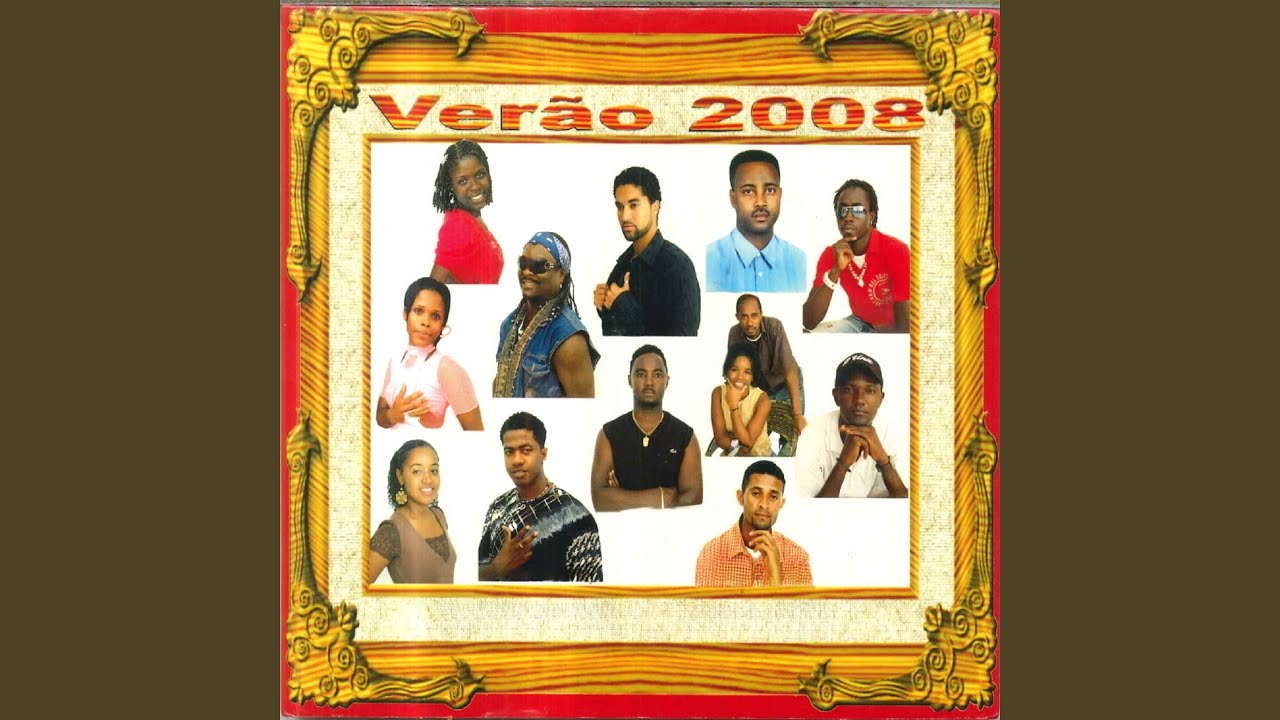
Cabo Verde’s Gospel Ambassador: Tony Martins Carries National Pride into Brazilian Competition
The Report
As reported by the original source, Cabo Verdean singer Tony Martins begins his participation today in a major gospel music competition in Brazil, an event that brings together 24 Brazilian vocalists. Martins is the sole representative from Cabo Verde, a fact that has stirred pride among family, friends, and fans of national gospel music.
“Grande objectivo é louvar o grande Deus,” affirmed the artist, emphasizing that faith and spiritual message are the core of his musical journey.
The original report notes that Martins’ presence in the competition represents another opportunity to showcase Cabo Verdean talent on the international stage, particularly in the Christian music segment, which has grown in recent years both in Cabo Verde and its diaspora. The artist has requested support and prayers from all Cabo Verdeans during this new phase of his career.
WANA Regional Analysis
Against this backdrop, Tony Martins’ participation in a Brazilian gospel competition is far more than a personal milestone—it is a quiet but significant assertion of Cabo Verde’s cultural reach beyond the lusophone Atlantic. While Cabo Verde is globally recognized for its morna, coladeira, and funaná, the gospel music scene has been steadily gaining ground, particularly among younger generations and diaspora communities in Europe and the Americas. Martins’ presence in a competition dominated by Brazilian voices signals that Cabo Verdean gospel artists are not merely consumers of a globalized Christian music industry, but active contributors to it.
The broader implications for the ECOWAS region suggest a growing soft power channel through faith-based cultural exports. West African gospel music—from Nigeria’s massive gospel industry to Ghana’s vibrant praise and worship scene—has long found audiences in the diaspora. However, Cabo Verde’s entry into this space, via Brazil, adds a unique lusophone dimension. It reinforces the cultural bridge between West Africa and Latin America, a connection often overshadowed by Anglophone and Francophone narratives. For Cabo Verde, a small island nation with a population under 600,000, such representation is a strategic amplification of its cultural footprint.
Historically, Cabo Verdean artists have leveraged international competitions—from the Festival da Canção to global talent shows—to project national identity. Martins’ gospel focus, however, taps into a different vein: the intersection of faith, music, and national pride. It also reflects a broader trend in West Africa where gospel music is increasingly professionalized, with artists seeking platforms beyond local churches and community events. For policymakers and cultural analysts, this underscores the need for structured support for gospel artists, including access to international festivals, recording grants, and diplomatic cultural programming.
Ultimately, Martins’ journey is a reminder that West African cultural influence is not monolithic. It flows through multiple channels—secular and sacred, Anglophone and lusophone, mainstream and niche. His call for prayers and support is also a call for recognition: that Cabo Verde’s voice, even in a crowded Brazilian competition, is one worth hearing.
Original Reporting By: Original Source

1 comment