Bouaflé’s Girls’ Sports Initiative Concludes: A Template for Gender Empowerment in West Africa?
The Report
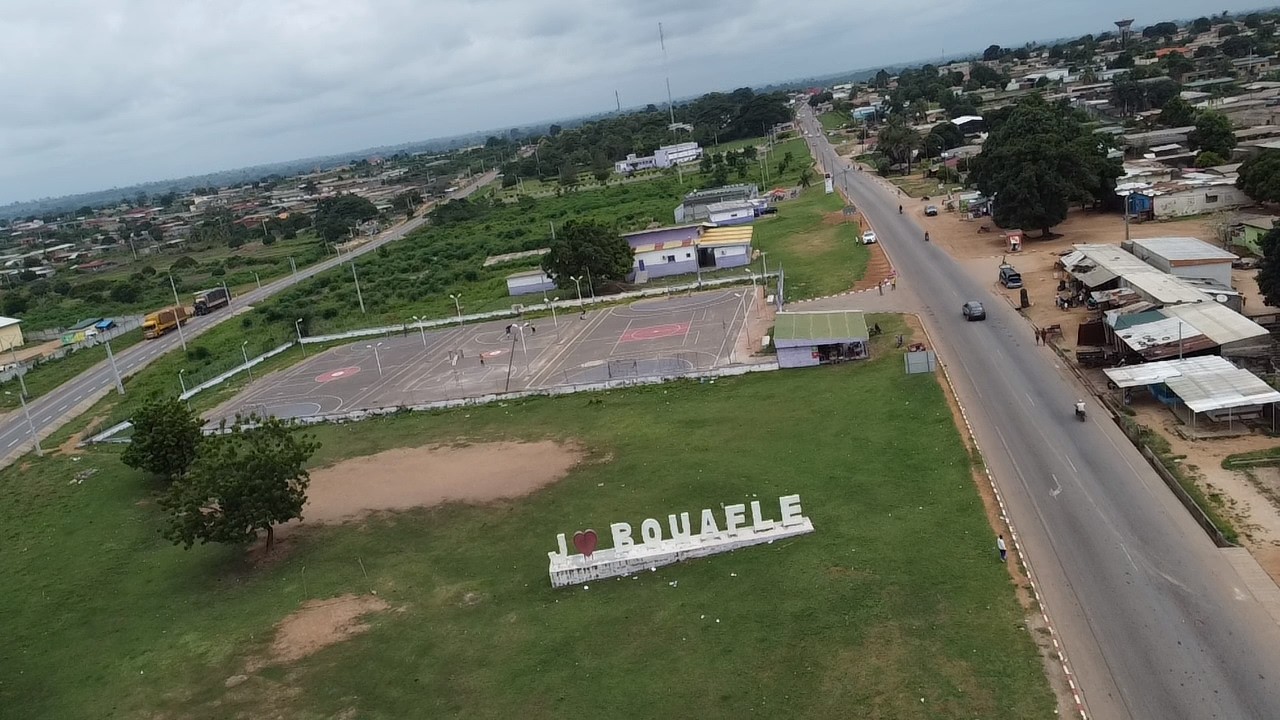
As reported by the original source, the project “Sport and Nutrition: Empowerment of Girls for Equality in Bouaflé” has concluded. Implemented by the African Women Initiatives Foundation (AWI Foundation) with financial support from the French Embassy, the initiative targeted 423 girls in the Bouaflé region of central Côte d’Ivoire.
The project “Sport and Nutrition: Empowerment of Girls for Equality in Bouaflé” implemented by the African Women Initiatives Foundation (AWI Foundation) with the financial support of the French Embassy has concluded.
The original report notes the project’s completion but provides no further details on specific activities, outcomes, or participant feedback. The brief dispatch serves primarily as a notice of conclusion rather than a comprehensive evaluation.
WANA Regional Analysis
Against this backdrop of a concluded pilot project, the broader implications for the ECOWAS region suggest a growing, if still nascent, recognition of sports as a vehicle for gender equity. The 423 girls reached in Bouaflé represent a microcosm of a larger challenge: across West Africa, girls face disproportionate barriers to participation in physical activities, from cultural norms that prioritize domestic duties to a lack of safe, accessible sporting facilities.
The involvement of the French Embassy as a financial backer is noteworthy. It signals a continued, albeit selective, European engagement in grassroots gender programming in Francophone West Africa. However, the sustainability of such projects remains a critical question. Without a clear transition plan to local ownership—whether through the Ivorian Ministry of Sports, the Ministry of Women, Family, and Children, or local civil society—the gains made with these 423 girls risk being ephemeral.
Furthermore, the absence of published metrics—such as changes in school attendance, nutritional knowledge, or self-reported confidence—makes it difficult to assess the project’s replicability. For WANA, the true value of this initiative will be measured not by its conclusion, but by whether it informs a scalable, region-wide strategy. The silence on specific outcomes in the original report underscores a persistent gap in West African development journalism: the need for rigorous, data-driven follow-up reporting on donor-funded projects.
As other ECOWAS member states, from Ghana to Senegal, launch similar sports-for-empowerment programs, the Bouaflé case offers a cautionary tale. The path from a well-intentioned pilot to systemic change requires more than funding; it demands transparent evaluation, community integration, and a political will to challenge the structural inequalities that keep girls on the sidelines.
Original Reporting By: Original Source

Comments