

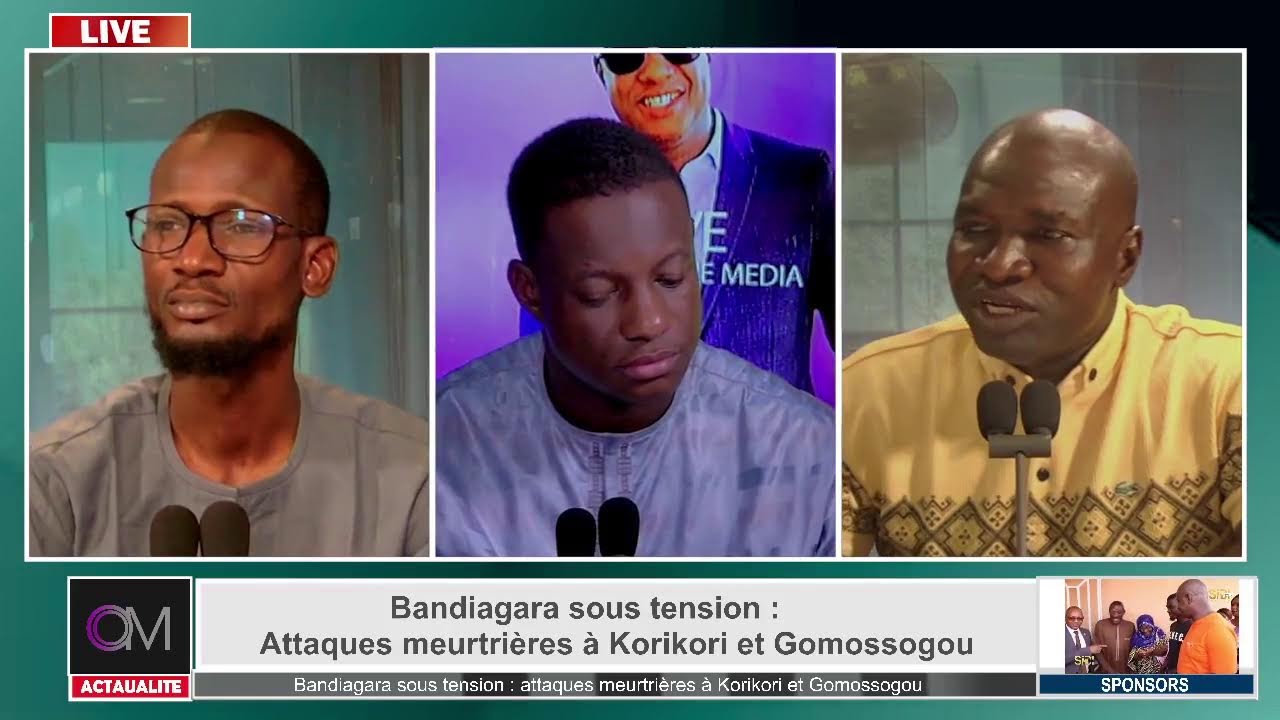
Mali: CNDH Condemns ‘Barbaric’ Attacks on Civilians in Bandiagara and Diallassagou Circles
The Report
As reported by Mali24 via journalist Mohamed Kanouté, the National Human Rights Commission (CNDH) of Mali has issued a public statement condemning simultaneous attacks on civilian populations in the villages of Kori-Kori (Doucombo rural commune, Bandiagara Circle) and Gomossogou (Lessagou rural commune, Diallassagou Circle), which occurred on Wednesday, 6 May 2026. The CNDH expressed its deep compassion for the victims and their families, and wished a speedy recovery to the injured.
The CNDH described the attacks as “barbaric and ignoble, constituting serious violations of human rights and international humanitarian law (IHL).”
The Commission grounded its condemnation in the Constitution of 22 July 2023, the International Covenant on Civil and Political Rights (ICCPR) of 16 December 1966, the African Charter on Human and Peoples’ Rights (ACHPR) of 27 June 1981, and the four Geneva Conventions and their Protocols. The CNDH reminded the State of its obligation to guarantee the protection of the fundamental rights of civilian populations at all times, in all places, and under all circumstances. It also called on authorities to search for, identify, and bring to justice the perpetrators, sponsors, and accomplices of these crimes, which it qualified as imprescriptible. The Commission further encouraged the Malian Armed Forces (FAMA) to continue their mission of protecting persons and property across the national territory, in strict respect for human rights and IHL, while calling on populations to strengthen their collaboration with the military.
Articles similaires
WANA Regional Analysis
This incident, occurring in the central Mali region that has long been a flashpoint for intercommunal violence and jihadist insurgency, underscores a troubling pattern: the targeting of civilians in remote, rural communes far from the capital’s immediate oversight. The CNDH’s invocation of the 2023 Constitution and international treaties is significant, as it signals an institutional effort to hold the state accountable even as the security situation deteriorates. However, the Commission’s dual call—urging the FAMA to protect civilians while also asking civilians to collaborate with the same forces—reflects the delicate balancing act facing Malian authorities.
Against this backdrop, the broader implications for the ECOWAS region are sobering. The attacks in Bandiagara and Diallassagou circles are not isolated; they are part of a wider crisis of civilian protection in the Sahel, where non-state armed groups and, at times, state-aligned militias have been implicated in atrocities. The CNDH’s reference to “imprescriptible crimes” is a legal signal that these acts may be classified as war crimes, potentially opening the door for future prosecutions at the International Criminal Court or under universal jurisdiction. Yet, the practical challenge remains: the Malian state’s capacity to investigate and prosecute in these volatile zones is severely limited, and the withdrawal of French forces and the reconfiguration of MINUSMA have left a security vacuum that local actors are struggling to fill.
For West Africa, this incident reinforces the urgent need for a coordinated regional strategy that prioritizes civilian protection, accountability, and the strengthening of national human rights institutions. The CNDH’s statement, while commendable, is a reminder that without robust follow-up—including independent investigations and tangible security sector reform—such condemnations risk becoming hollow rituals.
En savoir plus sur Mali 24
Original Reporting By: Mali24

1 comment