Guinea’s School Expulsions Signal Broader Governance and Social Media Tensions in West Africa
The Report
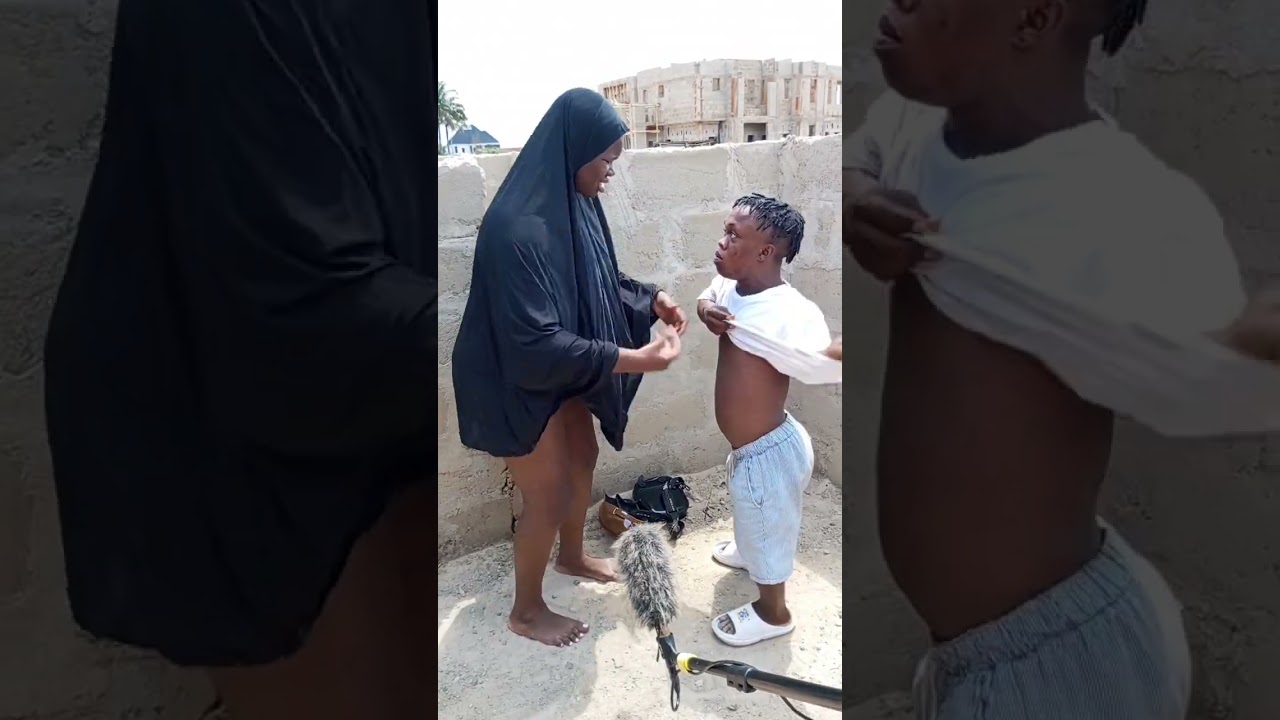
As reported by L’Indicateur du Renouveau, two students in Guinea Conakry—Aïcha Kallé, a 12th-grade Social Sciences student at the “HAMAS” school group, and her classmate Issatou Baldé—have been expelled from schools across the Republic of Guinea. The disciplinary action follows an altercation between Kallé and her teacher, Daouda Sow. According to the source, Kallé was expelled for “insulting a teacher,” while Baldé was sanctioned for “filming and sharing the remarks on social media.”
“Student Aïcha Kallé, in 12th grade Social Sciences at the ‘HAMAS’ school group, who had an altercation with her teacher, Daouda Sow, along with her classmate Issatou Baldé, have been expelled from schools across the Republic of Guinea for, respectively, ‘insulting a teacher’ and ‘filming and sharing the remarks on social media.’”
The original report did not provide further details on the nature of the altercation or the specific remarks shared online. The decision to expel both students from all schools in the country—rather than from a single institution—marks an unusually severe administrative response.
WANA Regional Analysis
This incident, while localized to a single school in Conakry, carries significant implications for educational governance, youth expression, and digital media regulation across West Africa. The decision to impose a nationwide expulsion—effectively barring the students from any public or private school in Guinea—raises questions about proportionality, due process, and the role of social media in school discipline.
From a regional policy perspective, the case highlights a growing tension between traditional authority structures in West African education systems and the increasing use of digital platforms by students. Across the ECOWAS region, governments and school administrations are grappling with how to regulate student behavior online, particularly when classroom conflicts spill onto social media. In Guinea, where internet penetration has risen steadily—reaching an estimated 35% of the population in 2024—the ability of students to record and share incidents has outpaced the development of clear legal or administrative frameworks.
The broader implications for the ECOWAS region suggest that such cases could become more frequent as digital literacy and smartphone access expand. In neighboring countries like Côte d’Ivoire, Ghana, and Senegal, similar incidents have prompted debates about student rights, teacher accountability, and the limits of institutional authority. The Guinean government’s response—expelling students from the entire national school system—may set a precedent that other West African states could follow, potentially chilling student reporting of misconduct or abuse.
From a governance analysis standpoint, the case also reflects the fragility of institutional checks and balances in Guinea’s education sector. The absence of a reported appeals process or independent review mechanism raises concerns about arbitrary administrative power. Historically, West African governments have struggled to balance discipline with the protection of student rights, particularly in post-coup contexts where judicial and educational institutions may be under political pressure. Guinea, which has experienced multiple coups since independence, including the 2021 takeover by the National Committee of Reconciliation and Development (CNRD), remains in a period of transitional governance. The education sector has not been immune to broader governance challenges, including limited oversight and inconsistent application of rules.
Economically, the expulsion of two students from the entire national school system could have long-term consequences for their educational attainment and future employability. In a region where secondary school completion rates remain low—averaging around 40% in West Africa—such a severe sanction may effectively end their academic careers. This raises questions about the proportionality of the punishment relative to the alleged offense, and whether alternative disciplinary measures, such as suspension or mandatory counseling, might have been more appropriate.
Diplomatically, the case may attract attention from international human rights organizations and education advocacy groups. The ECOWAS Commission, through its Protocol on the Rights of Children and the African Charter on the Rights and Welfare of the Child, has emphasized the importance of protecting students from arbitrary expulsion. While the incident is unlikely to trigger formal diplomatic action, it could become a reference point in regional discussions on education policy and digital rights.
Security implications, while indirect, are also worth noting. In several West African countries, youth disenfranchisement—fueled by perceived injustices in education and employment—has contributed to social unrest and, in some cases, recruitment by extremist groups. While this case is isolated, the perception of heavy-handed discipline could erode trust in state institutions among young people, a demographic that already faces high unemployment and limited opportunities.
Regional Backdrop
Guinea’s education system has faced chronic challenges, including teacher shortages, inadequate infrastructure, and low enrollment rates. According to UNESCO data, the country’s primary school completion rate stood at approximately 60% in 2022, with significant disparities between urban and rural areas. The secondary school system is even more strained, with limited capacity and frequent disruptions due to political instability and labor strikes.
The use of social media to document classroom incidents is not unique to Guinea. In 2023, a similar case in Senegal involved a student who recorded a teacher making inappropriate remarks and was subsequently expelled, sparking a national debate on digital rights and school discipline. In Ghana, the Ministry of Education has issued guidelines on social media use in schools, but enforcement remains inconsistent. Across the region, the legal framework for student expression online is often unclear, leaving schools to improvise disciplinary measures that may not withstand legal scrutiny.
The Guinean government has not publicly commented on the expulsions, and it remains unclear whether the Ministry of Education approved or was even consulted on the decision. The lack of transparency in the process underscores broader governance weaknesses that have been a concern for ECOWAS and international partners.
Original Reporting By:
L’Indicateur du Renouveau