Niger’s Moot Court Competition: A Strategic Investment in Refugee Law Capacity for the Sahel
This training session for the 2026 National Moot Court Competition, launched ahead of World Refugee Day, strategically equips Nigerien law students with specialized skills in asylum, statelessness, and the protection of vulnerable persons. By uniting national universities, the UNHCR, and Canadian partners, the initiative transforms legal education into a practical tool for addressing pressing humanitarian challenges. The core value lies in proactively building a pipeline of future jurists who are not just theoretically informed but practically prepared to defend human
Niger’s Moot Court Competition: A Strategic Investment in Refugee Law Capacity for the Sahel
The Report
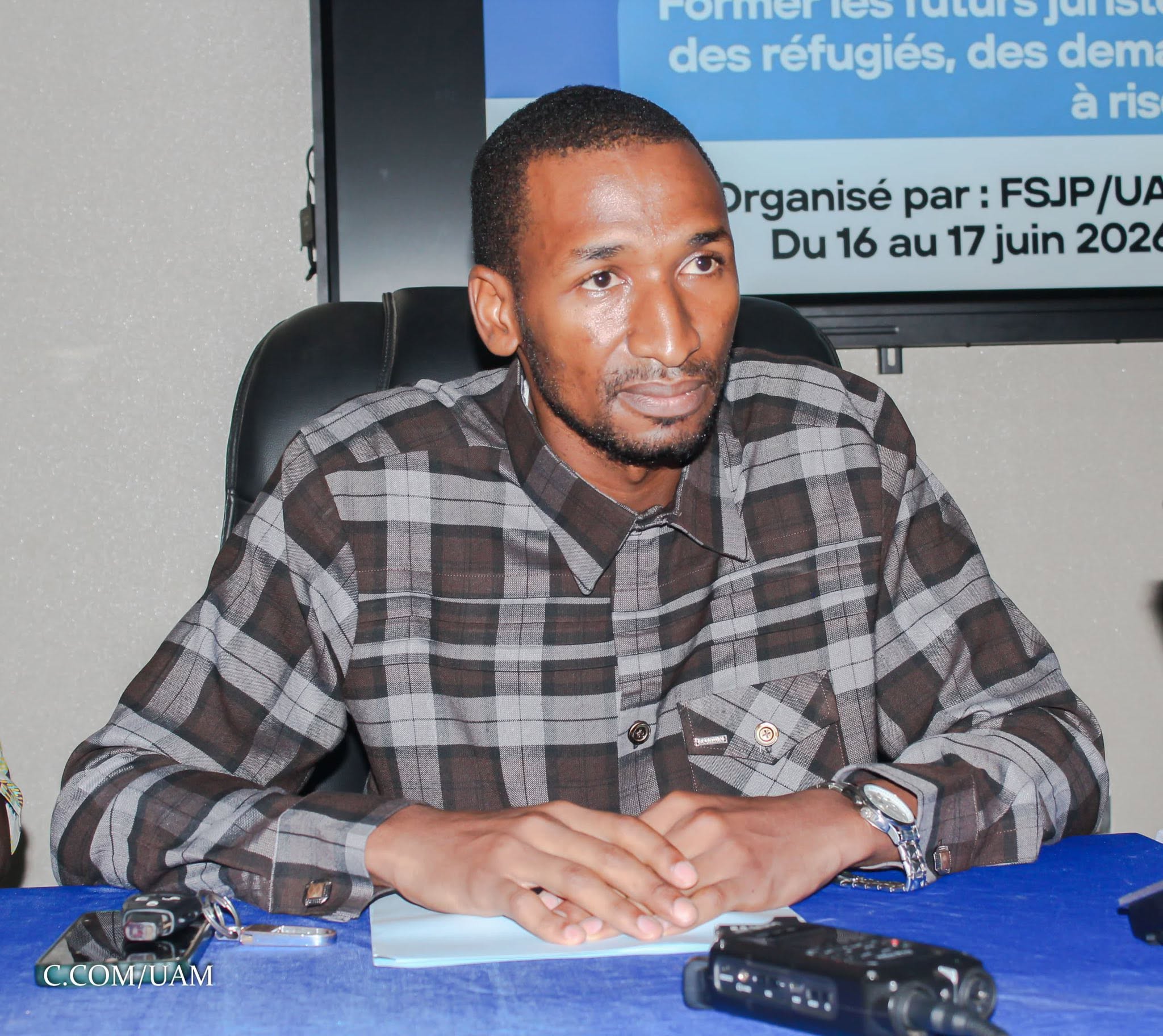
As reported by an uncredited source, the training session for the 2026 National Moot Court Competition for Refugees officially commenced on Tuesday, June 16, at the MS4SSA/École Normale Supérieure (ENS) Center in Niamey. The initiative, organized in conjunction with World Refugee Day 2026, brings together law students, academics, and partners to prepare future legal professionals for contemporary challenges in international protection.
The Niger Research and Development Center (CRD-Niger) is partnering with the Faculty of Legal and Political Sciences at Abdou Moumouni University (FSJP/UAM), through its Legal Clinic, as well as with the United Nations High Commissioner for Refugees in Niger (UNHCR Niger) and the Canadian organization CIAUD Canada. Over two days, participants will receive training on the right to asylum, the prevention of statelessness, and the management of mixed population movements. The training phase runs June 16–17, followed by a qualifying round on June 20, and the grand final on June 24, 2026.
“Through its involvement in organizing this competition, CRD-Niger reaffirms its commitment to strengthening the capacities of young legal professionals and promoting a culture of justice based on respect for human rights.”
As World Refugee Day approaches, the MS4SSA/ENS Center in Niamey hosts the training session for the 2026 National Moot Court Competition. Supported by several national and international institutions, this initiative aims to strengthen law students’ skills in issues related to asylum, statelessness, and the protection of vulnerable persons.
WANA Regional Analysis
This competition, while a domestic initiative, carries significant implications for the broader West African region, particularly the Sahel. Niger, as a frontline state in the fight against insurgent groups and a host to hundreds of thousands of displaced persons, is a critical laboratory for refugee law and protection frameworks. The training of a new generation of legal professionals in this domain is not merely an academic exercise; it is a strategic investment in the region’s capacity to manage forced displacement crises.
From an ECOWAS perspective, the harmonization of refugee and asylum policies remains a persistent challenge. While the ECOWAS Protocol on Free Movement of Persons theoretically facilitates mobility, the reality of mixed migration flows—including refugees, economic migrants, and internally displaced persons—demands specialized legal expertise. This competition directly addresses that gap by equipping students with the skills to navigate complex legal frameworks, including the 1951 Refugee Convention and the 1969 OAU Convention governing specific aspects of refugee problems in Africa.
The involvement of UNHCR Niger and a Canadian partner (CIAUD Canada) underscores the international dimension of this training. For West African states, this model offers a replicable template for building domestic legal capacity without over-reliance on external judicial systems. The focus on statelessness prevention is particularly timely, given that unresolved statelessness in border regions—such as the Niger-Nigeria and Niger-Burkina Faso corridors—can fuel communal tensions and undermine governance.
Against this backdrop, the competition also serves as a soft-power tool for Niger. By positioning itself as a hub for refugee law education, Niamey signals to regional partners and international donors that it is committed to rule-of-law-based solutions, even as it grapples with security challenges. This can enhance Niger’s diplomatic standing within ECOWAS and the African Union, potentially unlocking further technical assistance and funding for legal aid clinics and judicial reform.
From a governance perspective, the initiative reflects a broader trend in West Africa: the professionalization of human rights advocacy. Historically, refugee protection in the region has been reactive, often driven by NGOs and international bodies. By embedding this training within a university legal clinic and a national moot court competition, Niger is institutionalizing the next generation of advocates who can operate within state structures—as judges, prosecutors, or policy advisors—rather than solely as external critics. This shift could lead to more sustainable protection outcomes.
Institutional Mobilization in Service of Legal Training in Niger
However, the competition’s impact will depend on follow-through. Without a clear pathway for participants to apply their skills—through internships, clerkships, or employment in government ministries or UNHCR—the training risks remaining an isolated event. The organizers would be wise to establish a mentorship network linking competition alumni with practicing refugee law attorneys across the Sahel.
Niger currently hosts over 300,000 refugees and asylum seekers, primarily from Mali, Nigeria, and Burkina Faso, according to UNHCR data. The country also has a significant internally displaced population due to Boko Haram and other armed group activities. The legal framework for protection is strained, with limited judicial capacity to handle asylum claims and appeals. This competition directly addresses that capacity gap by training students in the procedural and substantive law of refugee status determination.
Right to Asylum, Statelessness, and Mixed Movements at the Core of the Curriculum
Across West Africa, the number of forcibly displaced persons has exceeded 5 million, with the Sahel region accounting for a disproportionate share. The ECOWAS Commission has repeatedly called for member states to strengthen national asylum systems and align them with international standards. Initiatives like this moot court competition are concrete steps toward that goal, and their replication in other member states—such as Ghana, Senegal, or Côte d’Ivoire—could significantly improve regional protection outcomes.
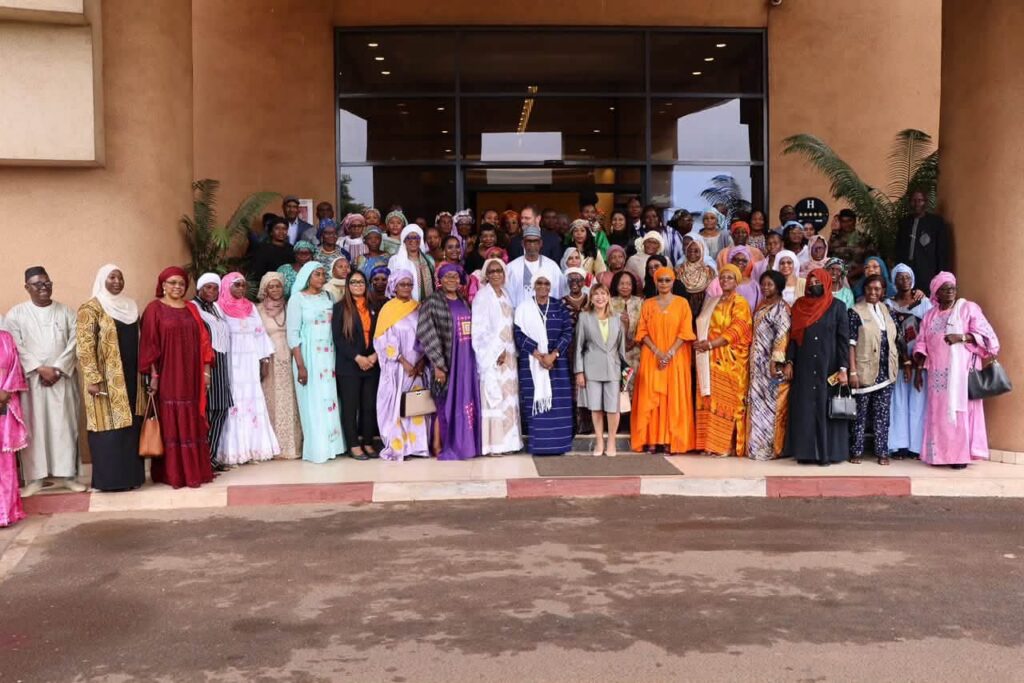
Women's organizations, mediators, and officials from seven countries gathered in Bamako to address women's underrepresentation in peace processes. The meeting highlighted priorities including participation, protection, funding, and monitoring mechanisms, against a backdrop of widespread displacement in West and Central Africa.
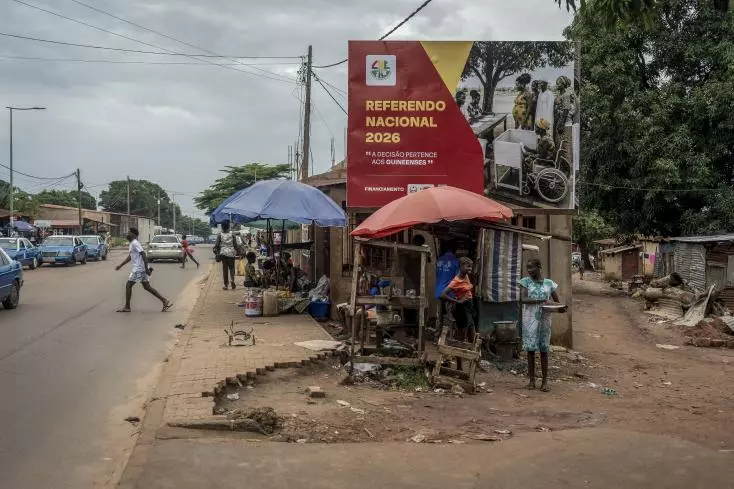
Guinea-Bissau's constitutional referendum on August 30, 2026, proposes replacing the semi-parliamentary system with a strong presidential regime, but opposition boycotts and skepticism remain. According to Le Pays, the reform may not address deeper issues like the personalization of power and weak institutions, which require political, judicial, and cultural change.
Niger's military government says it has quelled a mutiny by soldiers that involved gunfire and explosions in the capital, Niamey. The unrest targeted key sites including the presidential palace and airport, but Defence Minister Salifou Mody confirmed that loyalist forces restored order.

Comments