Smith Breaks His Silence on Clark’s Exit
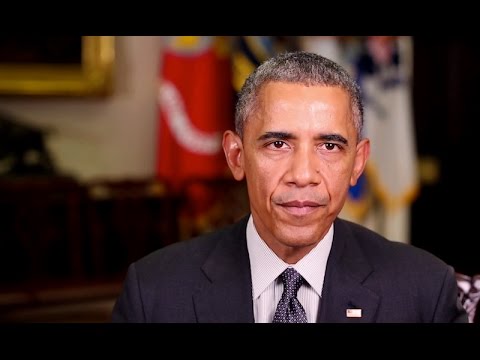
Stephen A. Smith, widely recognized as ESPN’s highest-paid personality and the network’s most prominent African American on-air figure, has publicly addressed the recent layoffs that resulted in the departure of his close friend and colleague Ryan Clark. In a video posted to his YouTube channel, Smith offered a candid look at his personal reaction to the decision, revealing a struggle between his role as a company man and his loyalty to those he works alongside.
According to Smith, Clark was not the only notable name affected. The network also parted ways with Cam Newton, Bart Scott, and Charles Davis as part of a broader round of job cuts.
A Personal Loss for Smith
Smith described Clark as a premier contributor to ESPN’s “First Take” and one of the best NFL analysts in the country. “He’s a man, and so he’s gonna handle it the way men do, and we understand that,” Smith said in the video. “But I’m going to miss him. I am not happy about this decision one bit.”
Smith acknowledged that he does not have full insight into the reasoning behind the move. “I don’t know all those details, and to be quite honest with you, I don’t care,” he continued. “What I care about is my brother Ryan Clark. A person that I consider to be arguably the best NFL analyst in America is no longer a member of ESPN.”
Powerless Despite His Stature
Despite being the network’s so-called $100 million man, Smith made clear that his influence had limits. He stated that he made it “very clear” to ESPN leadership that he disagreed with the plan to let Clark go. “The bosses know I’m not happy about this decision. I’ve made that very, very clear. But it’s also important that myself, and anybody else in the world of business, be grown-ups and understand that these are the kind of things that happen when layoffs happen,” Smith said.
Smith also revealed the difficulty of staying silent while what he described as misinformation circulated about Clark’s termination. “Damn near got blisters on my tongue and my fingers from biting my tongue and biting my fingers from refraining from going after folks when I saw how people were talking about him,” Smith said. “They don’t know him at all. They don’t know him at all.”
ESPN’s Official Response
ESPN President Jimmy Pitaro attempted to address the scale of the layoffs in a memo issued on the same day Smith posted his video. Pitaro wrote, “We had to make some difficult decisions about job impacts that we will be communicating today.” He added that the network is “committed to treating employees with compassion and respect and to providing support as they navigate this transition.”
Clark’s Next Chapter
For Clark, the exit from ESPN may be less of a setback than it appears. According to the source material, Clark holds a rare advantage in the media landscape: true ownership. Alongside co-hosts Fred Taylor and Channing Crowder, Clark built The Pivot Podcast into an independent media platform that gives him total autonomy—a level of control that is uncommon in traditional sports broadcasting. The podcast is expected to continue attracting high-profile guests and maintaining a loyal audience.
Clark himself addressed the situation on Instagram, writing, “Proof of Life…Before the madness of yesterday, I woke up, got in my Tundra, drove to Planet Fitness, and got to work. The rest of the day was eventful, but the journey continues. My peace is with God, and my humility comes from within. I’ll continue to build myself so the world can never strip me of what’s real. Get moving today, y’all!”
What This Reveals About the Media Landscape
Smith’s public comments highlight a recurring tension in the sports media industry: the gap between on-air talent and corporate decision-making. Even a figure with Smith’s leverage and visibility could not prevent a colleague’s dismissal. At the same time, Clark’s situation underscores a growing trend among media personalities—building independent platforms that offer career stability beyond any single employer. As traditional networks continue to restructure, the value of ownership and direct audience relationships becomes increasingly clear.