
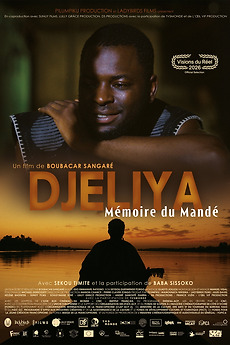





At a festival edition celebrating more than 60 works from 29 countries, the spotlight falls on a documentary that traces the living heritage of West African oral tradition. Djeliya, Memory of Mandé, directed by Burkinabè filmmaker Boubacar Sangaré, is among the featured selections, offering audiences a window into the world of the Djeli—the griots who serve as custodians of history and speech.
A Journey Across the Mandinka World
The film follows Sékou Timité, a young Malian griot, as he travels through the Mandinka cultural sphere. Over 112 minutes, the narrative weaves together his personal quest with the broader memory of Soundiata Keïta and the historical legacy of Mandé. Presented in Malinké and Bambara with French subtitles, the documentary was screened on August 13 and 15 at the Cinématographe, with the director present for the screenings.
The Role of the Djeli: More Than Music
Sangaré’s film delves into the multifaceted role of the Djeli, who are not merely musicians but preservers of family stories, genealogies, and community histories. Their craft, long carried by orality, now faces the pressures of social change, new cultural practices, and the expectations of increasingly connected generations. The documentary poses a central question: how does this heritage endure, adapt, and find its place in the contemporary world?
A Regional Heritage Beyond Borders
Timité’s journey reveals that djeliya is not confined to Mali. The tradition is shared across several West African societies, giving the film a regional resonance while remaining deeply rooted in Mandinka history. This circulation of knowledge and practice underscores the interconnectedness of the region’s cultural fabric.
Recognition and International Trajectory
Djeliya, Memory of Mandé premiered worldwide at Visions du Réel in Switzerland, where it received a special mention from the jury. Its selection in Lausanne extends that international recognition, offering renewed visibility to a heritage where history, orality, music, and intergenerational transmission intersect. The film is co-produced in part by Mali’s DS Productions, adding another layer of regional collaboration to its production story.
As the festival continues to highlight stories of transmission and emancipation, Sangaré’s work stands as a testament to the enduring power of the spoken word and the people who carry it forward.