

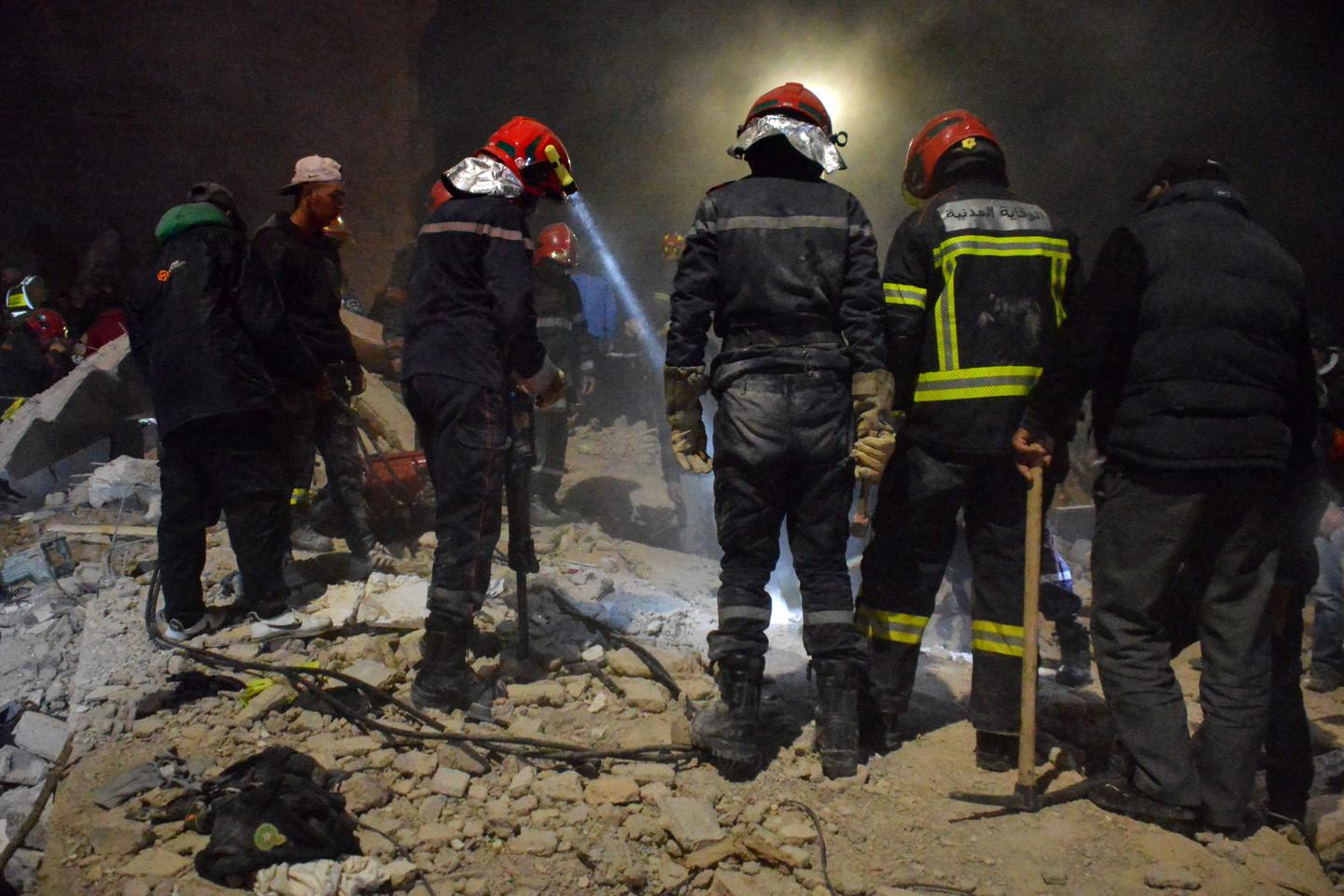
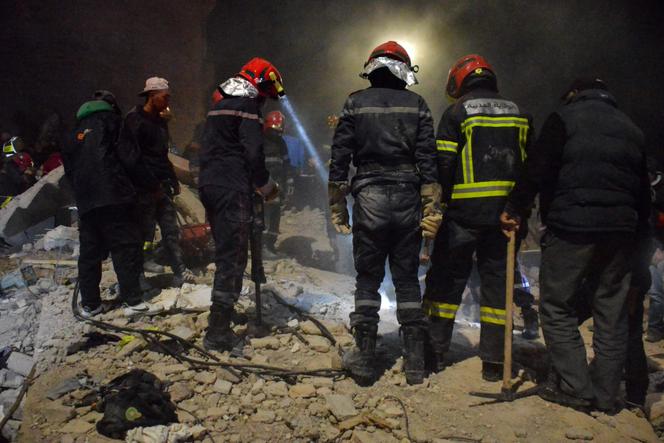
A devastating structural failure in the historic city of Fez has claimed at least 19 lives, according to a provisional toll from the Moroccan official press agency (MAP). The collapse of two adjacent four-story residential buildings in the Al-Moustakbal neighborhood overnight Tuesday into Wednesday, December 10, has left 16 others injured with varying degrees of severity and triggered a frantic search for potential survivors still buried under the rubble.
This incident is not an isolated tragedy but a symptom of a deeper, systemic challenge facing many Moroccan cities. The buildings, which housed eight families, fell in the Al-Massira area—a zone that, like many urban expansions in Morocco, may have grown rapidly without consistent adherence to modern building codes or rigorous maintenance regimes for older structures. The local authorities’ warning that the toll could change underscores the chaotic and precarious nature of such collapses.
MAP reported that “search operations were still ongoing to save and rescue other people who might be buried under the rubble,” a race against time led by local authorities, security forces, and civil protection services. Their response included securing the perilous site and preemptively evacuating residents from neighboring houses to prevent a secondary catastrophe. The injured were rushed to the Fez University Hospital Center, the region’s primary facility for critical care.
This disaster echoes a hauntingly similar event from just months prior. In May, nine people died in another Fez building collapse—a structure that was officially listed as at risk and had even been subject to an evacuation order. A local authority source told Agence France-Presse at the time that the building “was on the list of buildings at risk of collapse and had been the subject of an evacuation order issued to its occupants.” This repetition raises urgent questions about enforcement, resident compliance, and the economic pressures that lead families to remain in condemned properties, often due to a lack of affordable alternatives.
The recurring nature of these collapses points to a complex urban crisis. Contributing factors often include:
- Aging Infrastructure: Many buildings in the medinas and older neighborhoods were constructed decades ago with materials and methods that do not meet current standards.
- Informal Additions: Unpermitted modifications, such as adding extra floors or subdividing apartments, can critically compromise a building’s structural integrity.
- Regulatory Gaps: While laws exist, consistent inspection, enforcement, and funding for reinforcement or relocation programs are significant hurdles.
- Geographic and Economic Factors: Fez, a UNESCO World Heritage site, is built on a hillside, and its dense urban fabric makes both construction and emergency access challenging. Poverty can force families into substandard housing.
The tragedy in Fez is a stark reminder of the human cost of urban decay and regulatory failure. Beyond the immediate grief and rescue efforts, it demands a national conversation on proactive building safety audits, stringent enforcement of evacuation orders paired with viable relocation solutions, and significant investment in urban renewal to prevent such preventable loss of life from becoming a grim routine in Morocco’s cities.

Comments