
COMESA and UNECA Forge Path to Transform Regional Tourism into a Unified, Sustainable Value Chain

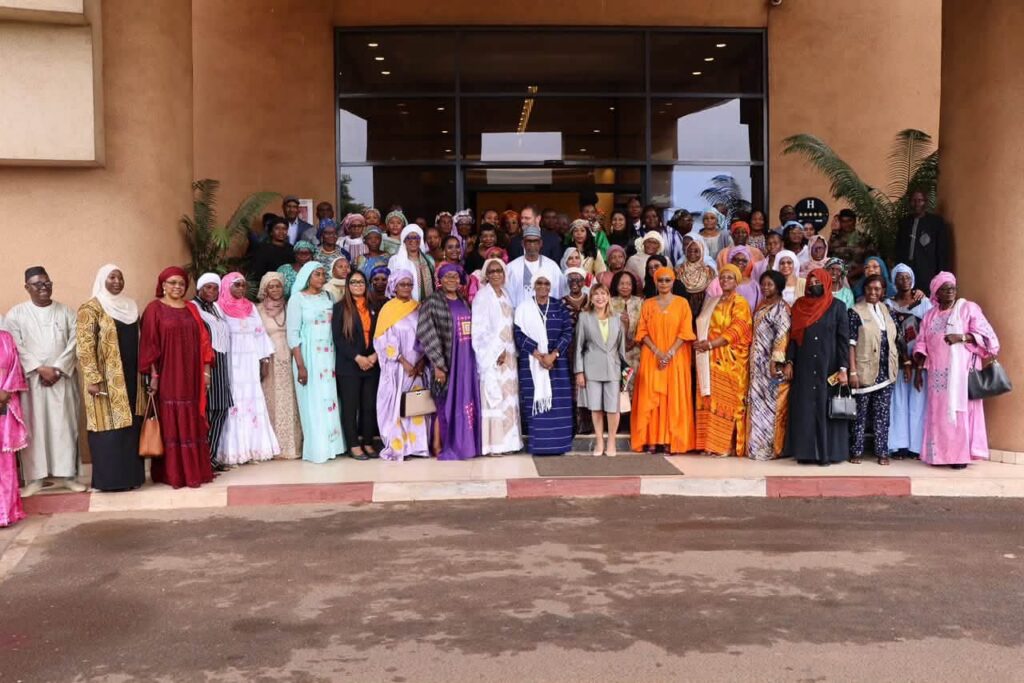
The United Nations Economic Commission for Africa (UNECA), in partnership with the Common Market for Eastern and Southern Africa (COMESA), convened the First Consultative Workshop on the Development of the COMESA Sustainable Tourism Development Framework and Implementation Plan in Diani, Kenya, on Tuesday, 28 April 2026. This two-day gathering brought together policymakers, tourism experts, private sector leaders, and development partners from the 21 COMESA Member States to forge a common regional approach to tourism—one aimed at driving regional integration, diversification, and inclusive growth.
A Cornerstone of Economic Development
Speaking at the opening, Hon. John Ololtuaa, Principal Secretary at Kenya’s State Department of Tourism, underscored tourism’s central role in economic development. “Tourism is not just a sector—it is a cornerstone of our economy… It drives revenues across accommodation, transport and food services, while creating livelihoods for millions, particularly women and youth. Our goal should be to market COMESA as a sustainable destination, avoiding unhealthy competition and embracing collective growth,” he said.
This development occurs against a backdrop of persistent fragmentation in the region’s tourism sector, where individual nations often compete for the same visitor pools rather than leveraging shared assets. Industry insiders suggest that such fragmentation has historically limited the region’s ability to attract long-haul travelers and high-spend tourists who seek multi-country experiences.
From Fragmented Markets to ‘One Destination’
Ms. Eunice Kamwendo, Director of the ECA Office for Southern Africa, stressed that tourism sits at the heart of Africa’s integration agenda. “A coordinated regional framework will unlock economies of scale, strengthen tourism value chains, and enable Member States to move from fragmented national markets to a competitive ‘One Destination’ that delivers inclusive and sustainable growth,” she said.
She further highlighted that despite tourism contributing nearly 10 per cent of GDP and employment in the COMESA region, its full value remains unrealized due to limited diversification and weak regional coordination. “This framework is about moving from aspiration to implementation—aligning tourism growth with sustainability, climate resilience, and regional trade,” she stated.
A Strategic Shift in Regional Thinking
Amb. Dr. Mohamed Kadah, Assistant Secretary General for Programmes at COMESA, described the consultations as a turning point for the sector. “The COMESA Sustainable Tourism Development Framework marks a strategic shift toward positioning tourism as a regional value chain,” he said. “By harmonizing branding, improving mobility, and diversifying tourism products, Member States can deepen intra-regional tourism, attract investment, and strengthen linkages with trade, industry, and SMEs.”
Discussions focused on diversifying tourism beyond wildlife-centric models toward urban, cultural, creative, blue, eco-, agri-, and medical tourism, while addressing policy coordination, visa facilitation, and connectivity to enable seamless cross-border travel. The implications for the regional market are twofold: first, a broader product base reduces vulnerability to seasonality and external shocks; second, improved mobility and visa harmonization could unlock significant intra-African travel demand, which remains largely untapped.
Alignment with Continental Frameworks
Aligned with the African Union’s Agenda 2063 and the African Tourism Strategic Framework 2019–2028, the workshop concluded with clear implementation and financing priorities. These priorities position tourism as a catalyst for trade, industrial development, and inclusive wealth creation across the COMESA region. Analysts often point to the need for concrete financing mechanisms—such as regional tourism development funds or public-private partnerships—to move from policy to practice, though no specific financial commitments were announced at this stage.
Source Content: Protected Source Link

Comments