


ECOWAS Competition Model Takes Center Stage as AfCFTA Charts Path for Continental Market Integration
The Report
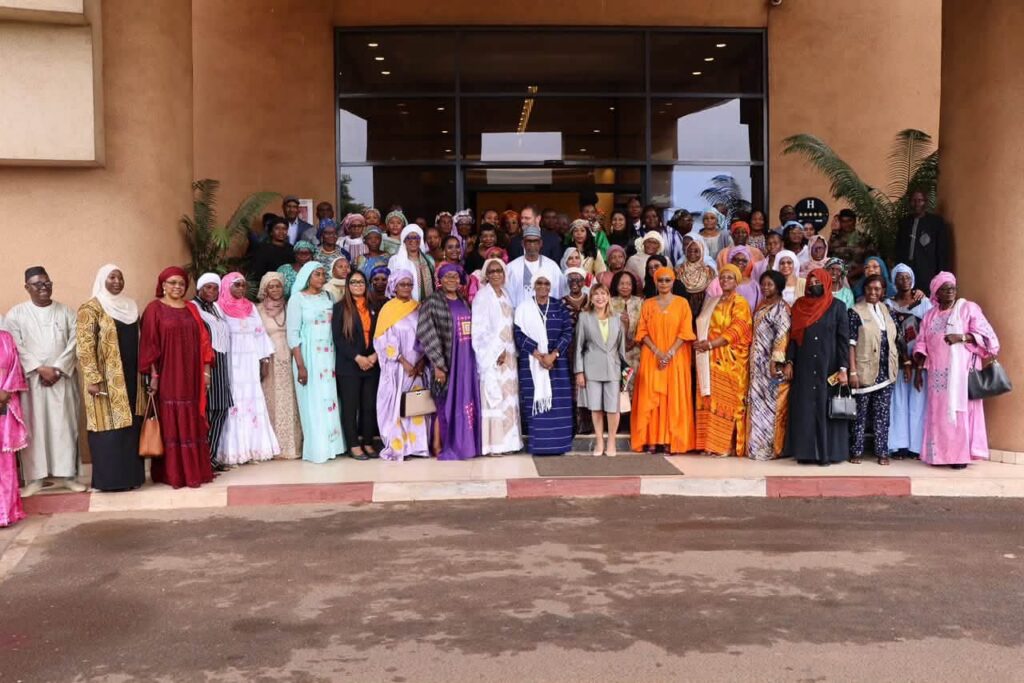
As reported by the ECOWAS Regional Competition Authority (ERCA), the inaugural AfCFTA Conference on Competition Policy and Law convened in Lomé on 19–20 May 2026, bringing together senior government officials, regional and continental institutions, development partners, and private sector representatives. The conference, held under the theme “Harnessing Competition as a Catalyst for African Market Integration,” aimed to promote dialogue on implementing the AfCFTA competition agenda, strengthen institutional cooperation, and draw practical lessons from existing regional frameworks.
“Dr. Simeon KOFFI, Executive Director of ERCA, delivered remarks on behalf of Dr. Kalilou SYLLA, ECOWAS Commissioner for Economic Affairs and Agriculture, thereby underscoring the importance of the ECOWAS regional experience in shaping Africa’s continental competition framework.”
The original report highlights that West African leaders recognized early the intrinsic link between competition and market integration, adopting the ECOWAS Competition Policy in 2007 and subsequently establishing ERCA as part of a broader institutional architecture. ERCA’s participation in the opening session alongside leading African and international officials was presented as a concrete regional contribution to the implementation of the AfCFTA Protocol on Competition Policy.
ERCA UNDERSCORES ECOWAS COMMITMENT TO AFRICAN MARKET INTEGRATION AT THE AFCFTA INAUGURAL CONFERENCE
WANA Regional Analysis
Against this backdrop, the Lomé conference marks a pivotal moment for West Africa’s role in shaping continental economic governance. For years, ECOWAS has operated as a laboratory for regional integration, often navigating challenges that the AfCFTA now faces at scale—disparate legal systems, uneven enforcement capacity, and the political economy of opening markets. That ERCA was invited to share its experience at the inaugural conference is not merely ceremonial; it signals that the ECOWAS model is being studied as a template for the continent’s competition architecture.
The broader implications for the ECOWAS region suggest a dual opportunity. First, West African businesses and consumers stand to benefit from harmonized competition rules that reduce the cost of cross-border trade and curb anti-competitive practices by dominant firms. Second, the region’s institutions—particularly ERCA—gain enhanced legitimacy and technical capacity through continental cooperation, which could accelerate the enforcement of regional competition law in member states where implementation has lagged.
However, the path forward is not without friction. The AfCFTA Protocol on Competition Policy requires member states to align national laws with continental standards, a process that has proven politically sensitive in West Africa, where some governments protect state-owned enterprises or maintain opaque procurement systems. The ECOWAS experience, while instructive, also reveals persistent gaps: limited resources for investigation, judicial bottlenecks, and the challenge of coordinating among 15 diverse economies. These are precisely the issues that the Lomé dialogue sought to address.
For WANA’s readership, the key takeaway is that West Africa is no longer a passive participant in Africa’s integration story. By positioning its regional competition framework as a continental reference point, ECOWAS is asserting strategic relevance at a time when the AfCFTA’s success depends on the effectiveness of sub-regional building blocks. The question now is whether the political will in Abuja, Accra, and other capitals will match the technical ambition displayed in Lomé.
Original Reporting By: ECOWAS Regional Competition Authority (ERCA)


Comments