


Mali’s Museums as Instruments of Sovereignty: A Strategic Shift in Cultural Policy Amidst Transition
The Report
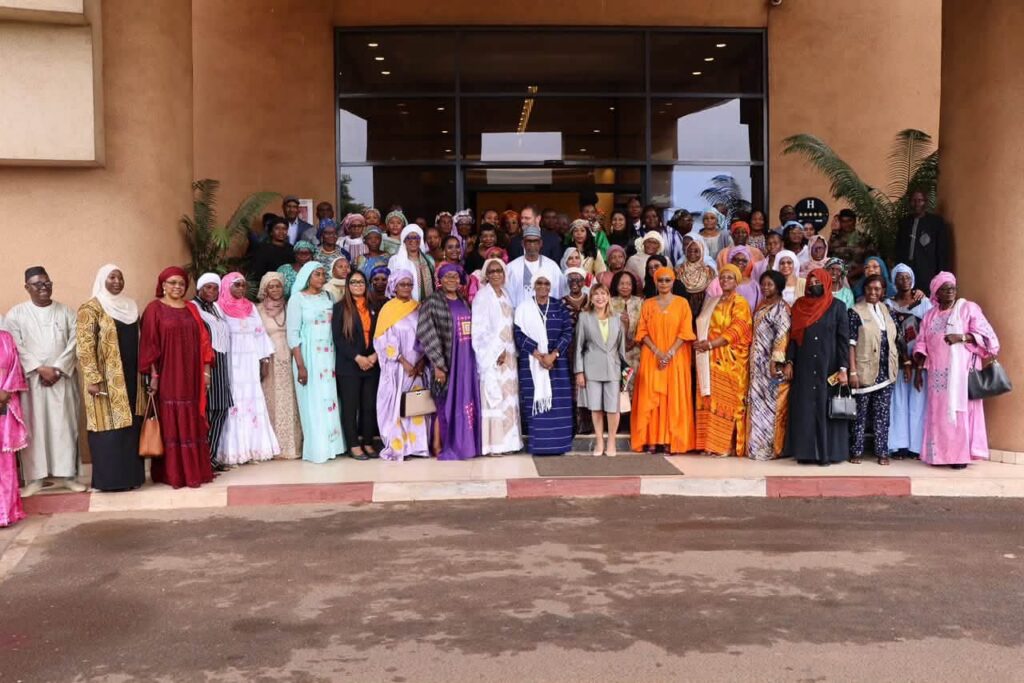
As reported by Ibrahim Kalifa Djitteye of Le PAYS, the International Museum Day was celebrated on Monday, 18 May 2026 at the National Museum of Mali, under the presidency of the Minister of Handicrafts, Culture, Hotel Industry and Tourism, Mamou Daffé. Organized by the national committee of ICOM, the event took the form of a talk-debate that brought together researchers, curators and cultural mediators around the role of museums in social cohesion and peace.
Placed under the theme “Museums unite a divided world,” the conference was led by Dr. Fodé Moussa Sidibé and Dr. Samuel Sidibé. The speakers insisted on the necessity of making museums living spaces, open to dialogue and mutual understanding. They recalled that culture remains an essential lever for strengthening solidarity and preserving the country’s collective memory.
“The museums, as actors of transmission and valorization of heritage, play a determining role in the construction of a society founded on knowledge and cohesion.”
The celebration falls within the Year of Education and Culture in Mali 2026-2027, decreed by the President of the Transition, General Assimi Goïta. Minister Daffé delivered an official message saluting the commitment of heritage professionals and cultural actors who work daily to safeguard collective memory. He insisted on the educational and civic dimension of museums, considered as instruments of cultural sovereignty and national cohesion. Activities included guided tours, public exchanges and open doors at the National Museum, the Museum of Bamako, the Muso Kunda Museum and regional museums.
WANA Regional Analysis
Against the backdrop of a prolonged political transition and persistent security challenges in the Sahel, the Malian government’s explicit framing of museums as “instruments of sovereignty” marks a significant departure from the traditional, apolitical narrative of cultural preservation. This is not merely a celebration of heritage; it is a deliberate policy signal.
The broader implications for the ECOWAS region suggest a strategic recalibration. For years, West African cultural policy has been dominated by a discourse of restitution—demanding the return of artifacts from European museums. While that struggle continues, Mali is now advancing a parallel, more assertive agenda: the active use of domestic cultural institutions to forge a unified national identity and legitimize the transitional authorities. The decree of a “Year of Education and Culture” by General Goïta directly links cultural policy to the state-building project, a move that resonates in a country where the state’s authority has been contested by armed groups and regional separatist movements.
This approach carries both promise and risk. On one hand, investing in museums as spaces for dialogue and education can counter extremist narratives and foster a shared civic identity, particularly among youth. On the other hand, the instrumentalization of culture for political legitimacy can alienate communities who feel excluded from the official narrative, especially in the northern regions where local heritage has been deliberately destroyed by jihadist groups. The success of this policy will depend on whether the museums become genuinely inclusive platforms or remain instruments of a centralized, Bamako-centric vision of Malian identity.
For the wider West African region, Mali’s experiment offers a case study in the securitization of culture. As other ECOWAS states grapple with similar challenges of cohesion and legitimacy, the Malian model—where the museum is repositioned from a passive repository to an active agent of sovereignty—may well become a template, for better or worse.
Original Reporting By: Le PAYS

Comments