

Bamako Waste Pickers Formalized: A Strategic Step for Urban Resilience and Informal Economy Integration in West Africa
The Report
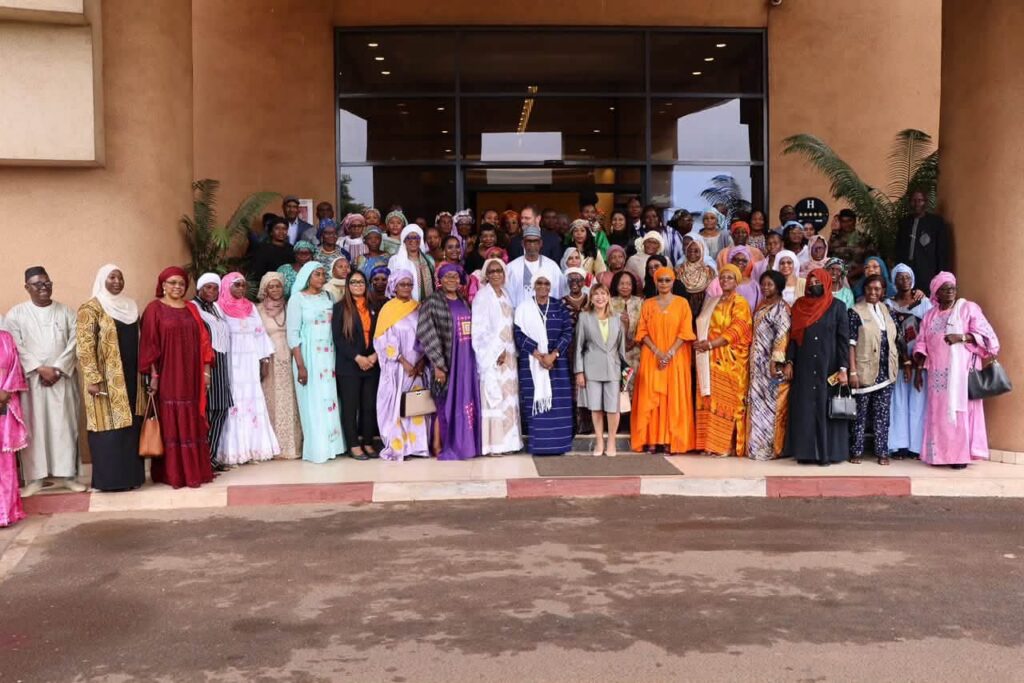
As reported by Mali24 journalist Mohamed Kanouté, on 20 May 2026, the Bamako Urban Resilience Project (PRUBA) officially handed over creation documents to 13 Economic Interest Groups (GIE) and 02 Cooperative Societies representing waste sorters in the Malian capital. The ceremony, presided over by PRUBA Coordinator Mr. Babadian Diakité, formalizes these informal waste-picking groups under the project’s Livelihood Restoration Plan (PRMS).
According to Mr. Diakité, this formalization provides a legal framework that strengthens the groups’ representativeness, improves internal organization, and facilitates access to economic opportunities and support mechanisms. Mr. Tiecoura Diarra of the NGO Mission-Sahel commended the groups’ shared vision for capacity building and sustainable income generation. Beneficiary Mr. Yaya Niaré of the GIE SANIYA in Nafadji welcomed the initiative, stating it will enable them to pursue durable income-generating activities.
“Thanks to this recognition, the GIEs and Cooperatives now have a legal framework allowing them to strengthen their representativeness, improve their internal organization, and more easily access economic opportunities and support mechanisms.”
WANA Regional Analysis
The formalization of waste pickers in Bamako represents more than a local administrative milestone; it signals a critical shift in how West African cities are beginning to address the intersection of urban informality, environmental management, and economic resilience. Across the region, from Abidjan to Dakar, waste pickers form the backbone of recycling value chains, yet they remain largely invisible to official policy and urban planning. PRUBA’s move to legally recognize these groups is a rare and significant departure from the norm.
ECOWAS and Urban Governance Implications: The ECOWAS region is experiencing rapid urbanization, with cities like Bamako, Ouagadougou, and Niamey facing acute waste management crises. Informal waste picking is not a marginal activity; it is a central, if unacknowledged, component of urban sanitation systems. By formalizing these groups, PRUBA creates a replicable model that could influence regional urban policy frameworks. ECOWAS, through its Directorate of Environment and Natural Resources, has long advocated for integrated waste management, but implementation at the municipal level has been weak. This initiative provides a concrete case study for how to integrate informal workers into formal waste management systems, potentially reducing health risks, improving collection rates, and creating tax-revenue streams.
Economic and Livelihood Impact: The formalization unlocks access to credit, contracts, and training that were previously out of reach for these groups. In a context where youth unemployment and underemployment are chronic, this initiative directly addresses the informal economy’s potential to generate dignified, sustainable livelihoods. The creation of GIEs and cooperatives also strengthens collective bargaining power, allowing waste pickers to negotiate better prices for recyclables and to participate in municipal tenders. This is particularly relevant given the Sahel’s ongoing security and economic fragility; stable, legal income opportunities can reduce vulnerability to illicit economies.
Political and Governance Significance: For the Malian transitional government, which faces legitimacy challenges and pressure to demonstrate tangible progress, this initiative offers a visible, non-controversial success story in urban governance. It aligns with international donor priorities—PRUBA is likely supported by the World Bank or similar institutions—and shows a commitment to inclusive, bottom-up development. However, the long-term success will depend on sustained political will, adequate funding for capacity building, and the creation of actual market linkages for recycled materials. Without these, formalization risks becoming a paper exercise.
Security and Environmental Nexus: In the Sahel, environmental degradation and resource scarcity are increasingly linked to conflict dynamics. Improved waste management reduces pollution, mitigates flood risks (a major issue in Bamako), and can reduce the environmental footprint of rapidly growing cities. By empowering local communities to manage their own waste, the project also builds social cohesion and local governance capacity—both of which are protective factors against instability.
From a regional policy perspective, this development should prompt other West African capitals to examine their own informal waste sectors. The question is no longer whether to formalize, but how to do so in a way that is equitable, sustainable, and scalable. PRUBA’s approach—combining legal recognition with organizational capacity building—offers a promising template.
Regional Backdrop
Bamako, like many Sahelian cities, has experienced explosive population growth without proportional investment in basic services. Waste collection coverage is low, and open dumping is common. Informal waste pickers have long filled the gap, but under hazardous conditions and with no legal protection. The PRUBA project, launched in response to these challenges, is part of a broader trend of urban resilience programming in the region, often funded by multilateral development banks. Similar initiatives exist in Dakar (Senegal) and Abidjan (Côte d’Ivoire), but the Malian case is notable for its explicit focus on formalizing the workforce as a pathway to resilience.
Historically, West African governments have struggled to regulate the informal economy, often oscillating between neglect and repression. The PRUBA approach represents a third way: active integration. If successful, it could shift regional policy discourse from viewing informality as a problem to recognizing it as a potential asset for urban management.
Original Reporting By:
Mali24

Comments