







Togo’s 5-1 Rout of Benin Signals Rising Regional Football Power Ahead of AFCON 2027 Qualifiers
The Report
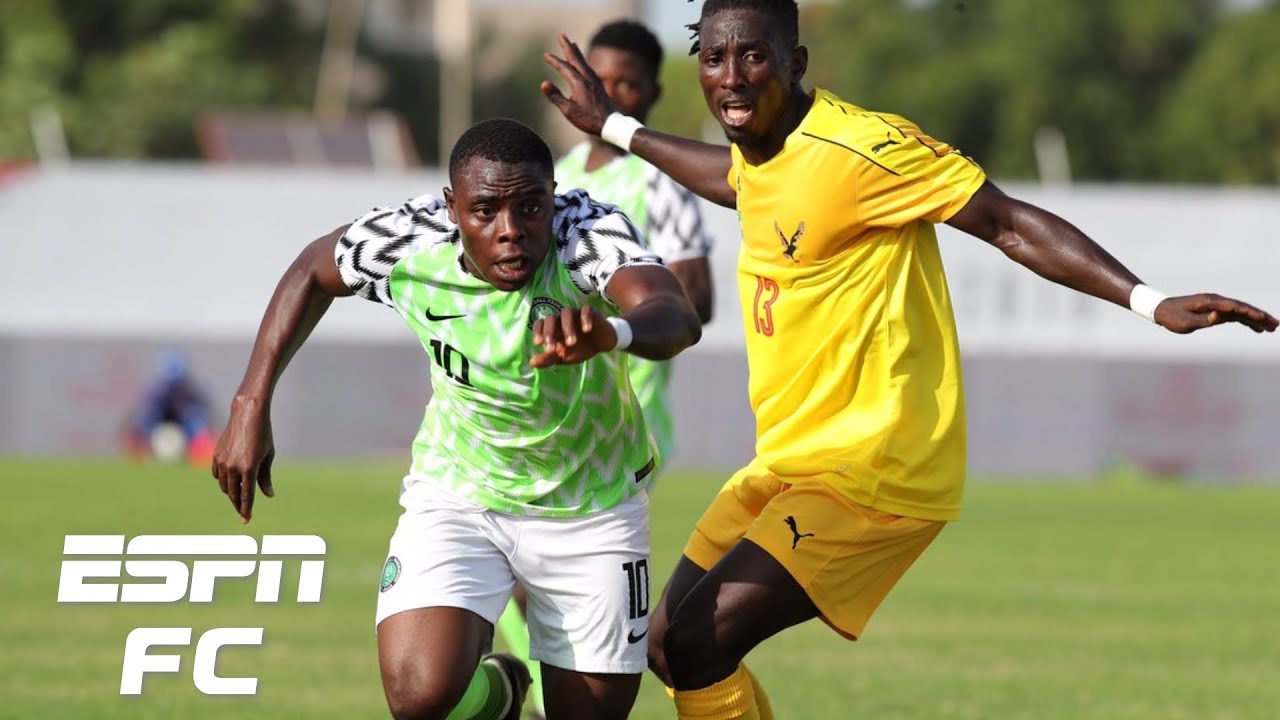
As reported by Togo Foot, the Togolese national football team, the Hawks, concluded their June FIFA international window with a commanding 5-1 victory over Benin on Tuesday at the El Béchir Mohammadia Stadium. The match saw Benin take an early lead in the 6th minute, but Togo equalised before halftime through an own goal by Mohamed Tijani. After the break, Benin were reduced to ten men following a red card to Samadji in the 51st minute. Togo capitalised decisively, with Arnaud Komlanvi scoring his first international goal in the 58th minute, followed by strikes from captain Djéné Dakonam (68th minute), Kevin Denkey (74th minute), and substitute Fo-doh Laba (88th minute). The result extends Togo’s unbeaten run under head coach Patrice Neveu to four matches, comprising two wins and two draws.
“The Hawks are sending a clear signal to their rivals ahead of the start of the 2027 Africa Cup of Nations qualifiers.”
WANA Regional Analysis
This result carries significance beyond a single friendly fixture. For West African football, the margin of victory underscores a shifting competitive balance within the region. Togo’s emphatic performance against a Benin side that has historically been a stubborn opponent signals that the Hawks are building momentum under a new coaching regime. From a regional perspective, the match serves as an early indicator of form ahead of the 2027 Africa Cup of Nations (AFCON) qualifiers, a tournament that will be co-hosted by three West African nations—Nigeria, Benin, and Togo—marking a historic first for the subregion.
The implications for ECOWAS member states are multifaceted. First, the result places Togo in a position of psychological advantage over Benin, a direct qualifying rival for AFCON 2027. With three West African co-hosts, the qualifying dynamics are unusually complex: while Nigeria, Benin, and Togo receive automatic berths, the remaining slots for West African teams will be fiercely contested. A strong Togolese side could disrupt the qualifying calculations of neighbours such as Ghana, Ivory Coast, and Burkina Faso.
Second, the match highlights the growing investment in football infrastructure and coaching across the region. Patrice Neveu’s unbeaten start suggests a tactical coherence that has eluded Togo in recent years. For Benin, the red card and defensive collapse raise questions about squad discipline and depth—issues that could be exploited by other West African teams in competitive fixtures.
Economically, the performance boosts Togo’s football brand ahead of the co-hosting duties. Strong national team performances typically drive sponsorship interest, merchandise sales, and tourism-related revenue. For a small economy like Togo’s, a credible showing in the lead-up to AFCON 2027 could yield tangible returns in terms of international visibility and investment in local sports infrastructure.
From a governance perspective, the result provides a welcome distraction for Togolese authorities, who have faced domestic political pressures. Sporting success often serves as a unifying force, and the Hawks’ form under Neveu may help bolster national morale. However, the long-term challenge remains sustaining this performance level through the qualifying campaign and into the tournament itself.
Strategically, the match also underscores the importance of the June FIFA window for West African teams to test squad depth and tactical systems. With AFCON 2027 qualifiers looming, every friendly carries weight. Togo’s ability to score five goals—including contributions from both established players like Laba and emerging talents like Komlanvi—suggests a healthy pipeline of attacking options. Benin, by contrast, will need to address defensive vulnerabilities and disciplinary issues if they are to avoid similar setbacks in competitive matches.
Regional Backdrop
West African football has long been characterised by intense rivalries and fluctuating fortunes. Togo’s golden generation of the early 2000s, led by Emmanuel Adebayor, reached the 2006 World Cup but failed to sustain that success. Benin, meanwhile, has never qualified for a World Cup and has only sporadically reached the AFCON finals. The co-hosting of AFCON 2027 by three West African nations is unprecedented and places immense pressure on all three to perform on home soil. For Togo, this victory over a co-host neighbour is a statement of intent. For Benin, it is a wake-up call. The broader region will be watching closely as these teams develop ahead of what promises to be a landmark tournament for West African football.
Original Reporting By:
Togo Foot