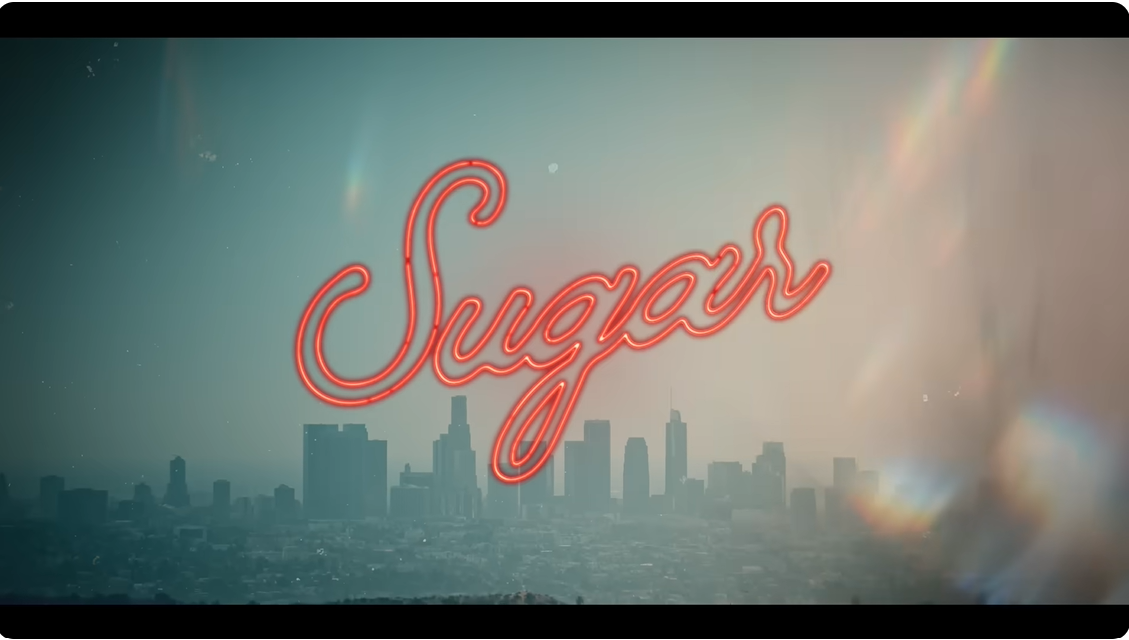
WANA Analysis: The Cultural and Economic Implications of Streaming Content in West Africa
The Report
As reported by Rolling Out, the Apple TV+ series Sugar has been renewed for a second season following a first season that concluded with a narrative twist. The show, which initially presented as a conventional hardboiled noir detective story set in Los Angeles, revealed a late-season plot development that fundamentally altered its premise. The second season is expected to explore the consequences of that revelation. The original article, published on Rolling Out, notes that the twist was “just the beginning” of the series’ narrative evolution.
“Sugar was one of the more quietly surprising shows of 2024. It arrived on Apple TV looking like a hardboiled noir… Then came a late-season twist that reframed everything.”
The article does not provide specific plot details for the upcoming season, nor does it disclose production timelines or casting announcements beyond the renewal confirmation.
WANA Regional Analysis
While the renewal of a streaming series may appear distant from West African concerns, the growth of platforms like Apple TV+ in the region carries significant implications for local content production, digital infrastructure, and cultural sovereignty. The success of genre-bending series such as Sugar demonstrates the global appetite for narratives that subvert traditional storytelling conventions—a trend that West African filmmakers and producers are increasingly positioned to leverage.
From a regional policy perspective, the expansion of streaming services into West Africa has accelerated discussions within ECOWAS about digital trade harmonization and content localization. Several member states, including Nigeria and Ghana, have seen a surge in demand for original programming that reflects local languages, histories, and social realities. The ability of platforms like Apple TV+ to commission and distribute content across borders offers both opportunities and challenges for regional creative industries.
Economically, the streaming boom has stimulated investment in production infrastructure, from studio facilities in Lagos to post-production hubs in Accra. However, concerns persist about revenue repatriation, data sovereignty, and the dominance of foreign platforms over local distribution channels. West African governments are increasingly exploring regulatory frameworks that mandate minimum local content quotas and ensure fair compensation for regional creators.
Against this backdrop, the renewal of Sugar serves as a reminder that global streaming platforms are competing fiercely for subscriber loyalty through distinctive, high-quality storytelling. For West African audiences, this competition can translate into greater access to diverse content, but it also raises questions about cultural representation and the preservation of indigenous narrative traditions in an increasingly homogenized digital landscape.
From a security and governance standpoint, the digital infrastructure required to support streaming services—broadband connectivity, data centers, and payment systems—also presents vulnerabilities. Cyberattacks on streaming platforms have disrupted services in other regions, and West African regulators are monitoring these risks as part of broader efforts to secure the digital economy.
Regional Backdrop
The streaming industry in West Africa has grown rapidly since the launch of platforms like Netflix, Amazon Prime, and Apple TV+ in the region. Nigeria’s Nollywood, the second-largest film industry by volume globally, has been a primary beneficiary, with several high-profile co-productions and licensing deals. However, the COVID-19 pandemic accelerated the shift from traditional cinema to digital distribution, reshaping audience habits and revenue models. ECOWAS has yet to adopt a unified digital content policy, leaving member states to navigate these changes independently, often with limited regulatory capacity.
Original Reporting By:
Rolling Out

1 comment