Trump’s Iran Reversal: A Strategic Earthquake Reshaping the Middle East and West Africa’s Energy Calculus
The Report
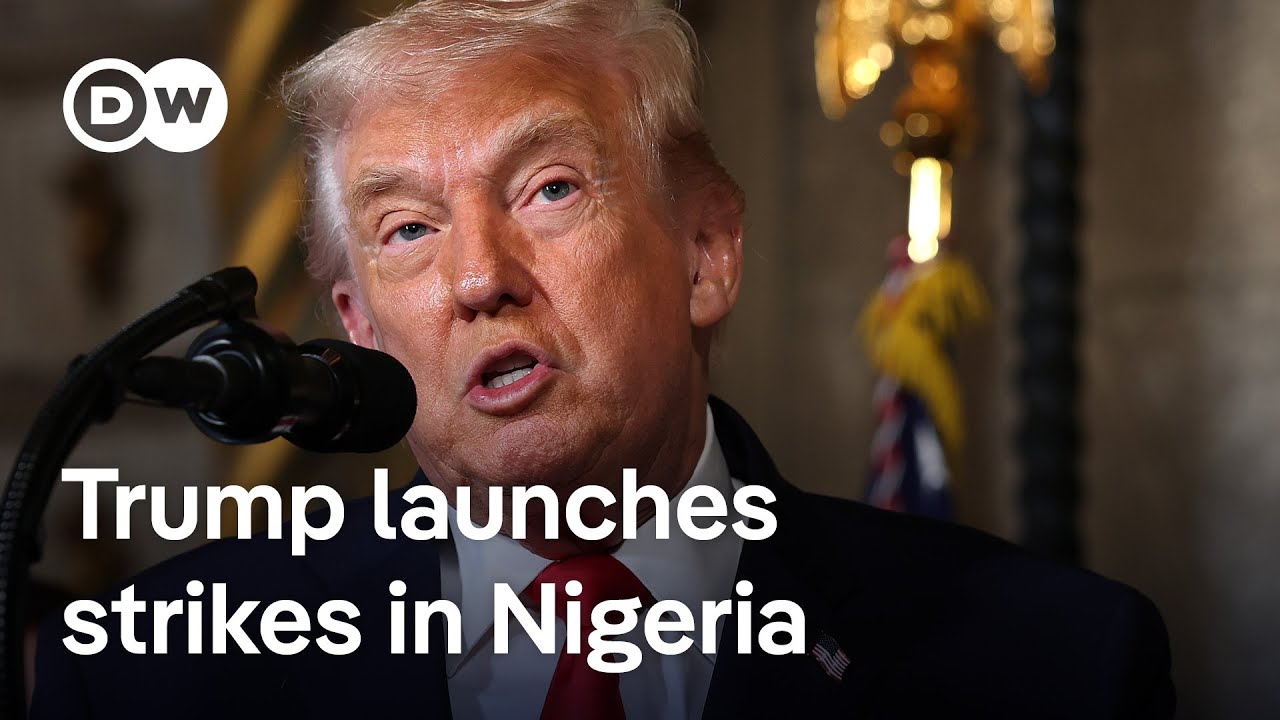
As reported by Middle East Eye journalist David Hearst, US President Donald Trump’s decision to halt the military campaign against Iran represents a profound strategic reversal, one that has shattered Israeli Prime Minister Benjamin Netanyahu’s ambition to reshape the Middle East under a “greater Israel” framework. According to the report, the war—intended to force Iran into submission and complete the Abraham Accords project—failed when Iran refused to capitulate. Trump, facing domestic pressures including three-year-high inflation, historic low approval ratings, and internal party opposition, chose to disengage. Israeli military analysts cited in the report, including Alon Ben David of Channel 13 and Amos Harel of Haaretz, describe the outcome as a catastrophic security failure for Netanyahu, elevating Iran as the region’s most significant power. The report notes that Trump publicly rebuked Netanyahu, stating that without the US, “there would be no Israel,” and that the deal has triggered a crisis of confidence in Washington, with pro-Israel lobbying group AIPAC becoming “toxic among Democrats.”
“Trump wanted a quick Venezuela-style victory, and from the moment it became clear that Iran would not roll over obediently, the 80-year-old president switched off mentally.”
The report further details that Iran retains its nuclear know-how, missile fleet, and strengthened alliances with non-state actors, while Gulf states—including the UAE, Bahrain, and Kuwait—now face a new strategic reality where US security guarantees proved inadequate against Iranian drones. The Strait of Hormuz remains under Iran’s effective control, and Gulf capitals are reassessing their alignments, with some, like the UAE, reportedly paying Iran not to attack.
A strategic setback
WANA Regional Analysis
The implications of this strategic shift extend far beyond the Levant and the Gulf, reaching directly into West Africa’s economic and security architecture. For the Economic Community of West African States (ECOWAS), the most immediate consequence is the volatility of global energy markets. The Strait of Hormuz, through which approximately 20% of the world’s oil passes, is now effectively under Iranian veto power. Any future disruption—whether from Israeli retaliation or Iranian brinkmanship—would send crude prices soaring, directly impacting West African net importers such as Ghana, Senegal, Côte d’Ivoire, and Benin. These nations, already grappling with post-COVID fiscal pressures and rising debt servicing costs, would face exacerbated inflation, reduced foreign exchange reserves, and potential social unrest.
From a regional policy perspective, the US-Iran deal also undermines the credibility of external security guarantees in the Gulf, a model that West African states have historically looked to for stability. The failure of US missile defense systems to fully protect Gulf monarchies against Iranian drones raises uncomfortable questions for ECOWAS members who rely on foreign military partnerships—particularly with France and the United States—for counterterrorism operations in the Sahel. If the world’s most advanced military cannot guarantee the security of its closest allies, what assurance does that offer to nations like Niger, Mali, or Burkina Faso, where French and US forces have struggled against insurgent groups?
Against this backdrop, the report’s observation that Gulf states are now diversifying their security partnerships—toward China, India, and Pakistan—signals a broader realignment that West Africa cannot ignore. China’s growing economic footprint in the region, particularly through the Belt and Road Initiative in Nigeria, Ghana, and Guinea, may accelerate as Gulf states seek alternative patrons. This could deepen West Africa’s dependency on Beijing, potentially at the expense of governance reforms and debt sustainability. ECOWAS must now consider whether its own security architecture—the ECOWAS Standby Force—can be strengthened to reduce reliance on external actors whose reliability is now in question.
The report also highlights a critical shift in US domestic politics: the growing toxicity of the Israel lobby among Democrats and the bipartisan scrutiny of US-Israeli military integration. For West African diplomats, this presents both a risk and an opportunity. The risk is that US attention and resources become further consumed by Middle Eastern entanglements, reducing Washington’s capacity for engagement in West Africa—particularly in areas like counterterrorism, health security, and climate adaptation. The opportunity lies in the potential for a more independent US foreign policy that could rebalance priorities toward Africa, especially if the Biden or a future administration seeks to rebuild alliances on the continent.
A toxic alliance
Furthermore, the report’s analysis of Iran’s strengthened regional alliances—particularly with Hezbollah and other non-state actors—has indirect but significant implications for West Africa. Hezbollah and Iranian-linked networks have historically operated in West Africa, particularly in the diamond and gold trades in Sierra Leone, Liberia, and Guinea, as well as in the Shia communities of Nigeria and Senegal. A more confident and resourceful Iran could expand these networks, potentially increasing illicit financial flows, arms trafficking, and ideological influence. ECOWAS intelligence and security agencies must remain vigilant, as the region’s porous borders and weak state capacity make it vulnerable to exploitation by external actors seeking to launder money or establish logistical hubs.
Finally, the report’s conclusion that Israel’s military power has reached its limits and that retreat is inevitable carries a cautionary tale for West African states. The overextension of military force without a sustainable political strategy—as seen in Israel’s campaigns in Gaza, Lebanon, and Syria—mirrors the challenges faced by regional powers like Nigeria in its fight against Boko Haram and banditry. The lesson is clear: military dominance alone cannot secure lasting stability. ECOWAS must prioritize governance, economic inclusion, and conflict resolution mechanisms over purely kinetic approaches to security.
A losing ticket
Regional Backdrop
Historically, West Africa has been a theater for proxy competition between global and regional powers. During the Cold War, the US and Soviet Union vied for influence through economic aid and military training. In the 1990s and 2000s, the focus shifted to counterterrorism and resource extraction. Today, the region sits at the intersection of multiple geopolitical currents: China’s infrastructure investments, Russia’s Wagner Group activities, Turkey’s defense exports, and Gulf states’ growing interest in agricultural land and energy assets. The US-Iran dynamic adds another layer of complexity, as both Tehran and Washington seek to expand their influence in Africa. Iran has cultivated ties with Nigeria’s Shia minority and has been accused of supporting militant groups in the Sahel, while the US maintains a significant military presence through AFRICOM bases in Niger and Djibouti. The outcome of the Iran war—and the subsequent US withdrawal—will likely reshape these dynamics, with West Africa becoming a secondary but not insignificant arena for competition.
All eyes on Gaza
Original Reporting By: Middle East Eye

Comments