

Lightning Strike at Swedish Park Highlights Regional Weather Preparedness Gaps for West Africa
The Report
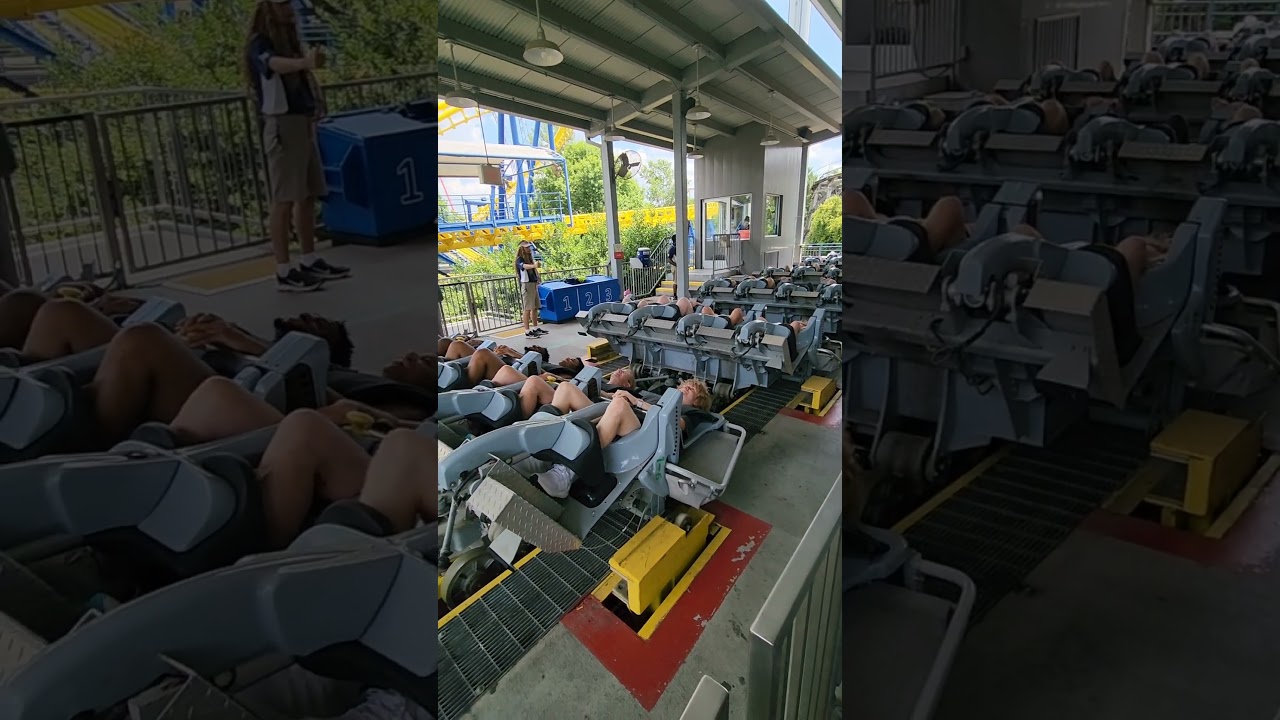
As reported by Channels Television via AFP, several people were injured, one seriously, when lightning struck a tree at the Tosselilla Sommarland amusement park in southern Sweden on Sunday. The park confirmed the incident on Facebook, stating that multiple lightning strikes occurred during a severe thunderstorm. A 45-year-old woman was hospitalized with serious injuries, while two others were taken by ambulance and five additional individuals—two adults and five children—sought treatment for minor injuries. The park had anticipated the storm, clearing rides and pools, but lightning struck a tree, causing falling debris to hit a nearby group. The Swedish Meteorological and Hydrological Institute (SMHI) had issued warnings for large parts of southern Sweden.
“Today we had a severe thunderstorm over Tosselilla, which led to several lightning strikes directly in the area. This has resulted in a few people being injured,” the park said in a Facebook post.
WANA Regional Analysis
While the incident occurred in Sweden, its implications resonate strongly across West Africa, where seasonal thunderstorms and lightning strikes are a recurring hazard with far greater frequency and severity. The event underscores a critical gap in regional disaster preparedness: the lack of real-time, localized weather warning systems and public safety protocols for outdoor recreational spaces.
From a regional policy perspective, West African nations—particularly those in the Sahel and coastal zones—experience intense convective storms during the rainy season, often resulting in fatalities and infrastructure damage. The Swedish park’s proactive measure of clearing rides and pools before the storm is a practice rarely implemented in many West African amusement parks, beaches, or public gathering sites. This incident serves as a stark reminder for ECOWAS member states to review and enforce safety standards for public venues, especially those frequented by families and children.
The broader implications for the ECOWAS region suggest a need for investment in meteorological infrastructure and public awareness campaigns. The SMHI’s ability to issue warnings that prompted preventive action contrasts sharply with the limited forecasting capacity in many West African countries, where national meteorological agencies often lack the resources for hyper-local alerts. This disparity contributes to higher vulnerability and loss of life during extreme weather events.
Against this backdrop, the incident also highlights the importance of emergency medical response coordination. In Sweden, regional health authorities quickly triaged and transported victims, with clear communication between the park and hospitals. In West Africa, similar coordination is often hampered by inadequate ambulance services, poor road networks, and overwhelmed health facilities. Strengthening these systems is essential for reducing the impact of natural hazards.
From a governance analysis standpoint, the transparency of the park’s communication—using social media to provide immediate updates—offers a model for West African public and private entities. Many regional authorities still rely on delayed official statements, leaving room for misinformation. Adopting rapid, verified communication channels could improve public trust and safety outcomes.
Regional Backdrop
West Africa is one of the most lightning-prone regions globally, with the Congo Basin and parts of Nigeria, Ghana, and Côte d’Ivoire recording some of the highest lightning densities. Fatalities from lightning strikes are underreported but are known to be significant, particularly among rural populations and outdoor workers. The lack of lightning protection systems in buildings and public spaces exacerbates the risk. This Swedish incident, though distant, provides a case study in effective risk mitigation that could inform regional policy reforms.
Original Reporting By:
Channels Television

Comments