Abuja Senate Fire Exposes Critical Infrastructure Gaps in Nigeria’s Governance Hub
The Report
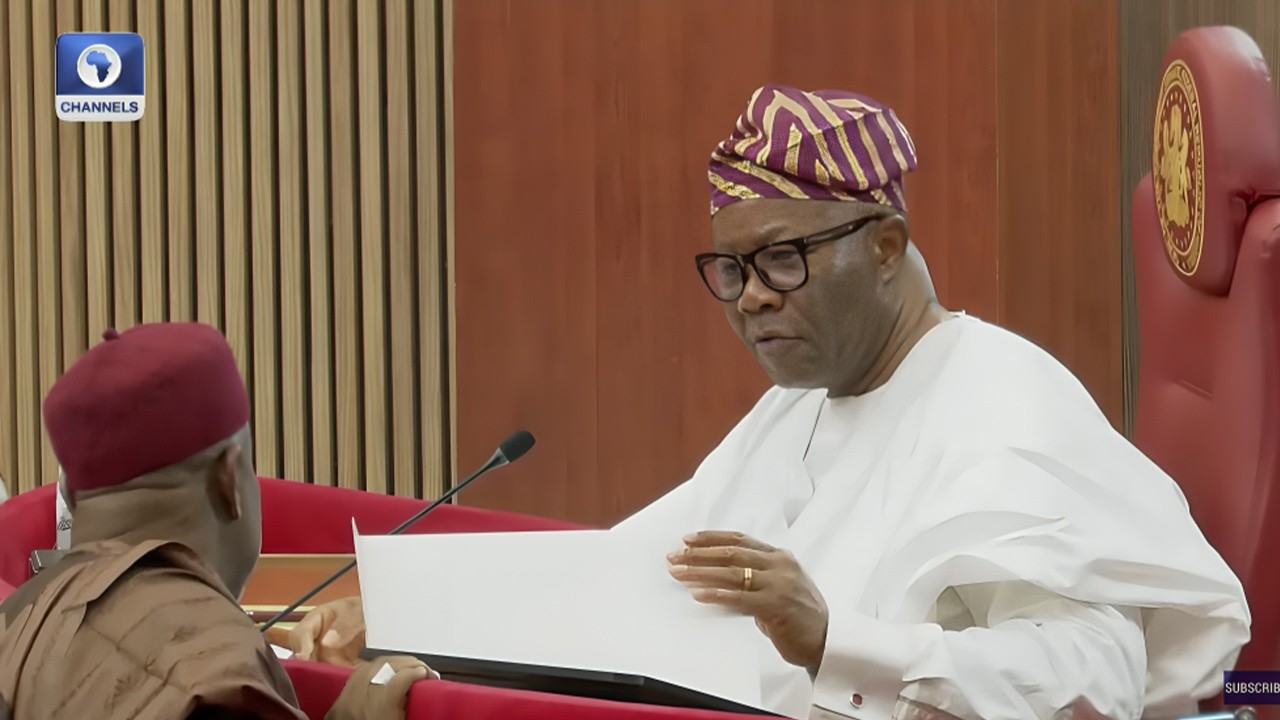
As reported by an unnamed journalist for the source publication, a fire broke out on Wednesday at Senate Hearing Room 107 within the National Assembly Complex in Abuja, forcing lawmakers, staff, and guests to evacuate the building. The incident occurred shortly after the Senate Committee on Niger Delta Development Commission (NDDC), chaired by Senator Asuquo Ekpenyong, concluded the screening of Dr. Zainab Marwa as a board member representing the North-East.
Witnesses reported that smoke filled the room from an attached kitchen section, triggering a scramble for safety. A now-viral video captured staff attributing the fire to a spark from a microwave left unattended. Attempts to extinguish the blaze were hampered by inadequate water supply and the apparent absence of functional fire extinguishers in the immediate vicinity. The fire was eventually brought under control through the intervention of Senator Ekpenyong, Senator Salihu Mustapha, and parliamentary staff. The Senate has yet to issue an official statement on the exact cause or extent of the damage.
“The water is not enough,” voices were heard shouting in the background.
WANA Regional Analysis
This incident, while seemingly a localized maintenance failure, carries significant implications for governance infrastructure across West Africa. The National Assembly Complex in Abuja is not merely a national legislative building; it is a symbol of Nigeria’s democratic institutions and a frequent venue for high-level ECOWAS parliamentary meetings and regional diplomatic engagements. A fire in such a critical facility raises urgent questions about the state of emergency preparedness and infrastructure maintenance in the region’s largest economy.
From a regional policy perspective, the lack of functional fire extinguishers and inadequate water supply in a building that houses the Senate—the upper chamber of Nigeria’s legislature—points to systemic governance failures in public asset management. For ECOWAS member states, this incident serves as a cautionary tale. Many West African nations, including Ghana, Côte d’Ivoire, and Senegal, have invested heavily in modernizing their parliamentary complexes. However, the Abuja fire underscores that physical infrastructure alone is insufficient without robust maintenance protocols and emergency response systems.
The economic consequences are also noteworthy. The National Assembly Complex is a hub for legislative activities that directly impact Nigeria’s business environment, including the passage of the annual budget, petroleum industry bills, and trade legislation. Any disruption to its operations—even a temporary one—can delay critical economic decisions. For investors monitoring Nigeria’s governance stability, such incidents erode confidence in the state’s ability to manage its own assets, a factor that can influence risk assessments for infrastructure projects across the region.
Security implications are equally pressing. The National Assembly is a high-security zone. The fact that a fire could break out and spread due to inadequate firefighting equipment suggests potential vulnerabilities in the broader security architecture. If a fire can disrupt proceedings, what of more deliberate threats? This incident should prompt a review of emergency protocols not only in Nigeria but across West African parliamentary buildings, many of which share similar design and maintenance challenges.
Historically, West African governments have struggled with the maintenance of public infrastructure, often prioritizing new construction over the upkeep of existing assets. The Abuja Senate fire is a stark reminder that neglect of basic safety systems can have cascading effects on governance continuity. For ECOWAS, which relies on Nigeria’s leadership for regional stability, this incident may prompt calls for standardized emergency preparedness guidelines for all member state legislative buildings.
Regional Backdrop
Nigeria’s National Assembly Complex has faced previous infrastructure challenges, including power outages and water supply issues. The complex was originally built in the 1990s and has undergone several renovations, but maintenance has often been reactive rather than preventive. Across West Africa, similar challenges exist. In Ghana, the Parliament House has faced concerns over fire safety, while in Côte d’Ivoire, the National Assembly building was renovated in 2019 after years of neglect. The Abuja incident may serve as a catalyst for regional dialogue on infrastructure resilience in governance institutions.
Original Reporting By:
Source Publication