





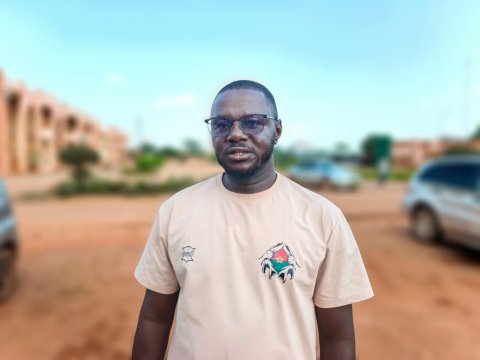
For 25 years, Dr. Dramane Kaboré carried a single conviction: his mother was alive.
That belief, rooted in a promise she made to him as a 12-year-old boy in 1996, was vindicated in December 2020 when he received a voice message and a photo on social media that would reunite his family.
Speaking to Lefaso.net on the occasion of the International Day of the Disappeared, observed each August 30, Kaboré recounted the long journey that began with his mother’s psychological struggles in 1992 and her eventual disappearance from their home near Bobo-Dioulasso.
Kaboré’s mother had been unwell for years. His father tried everything, from charismatic prayers to consultations with traditional healers.
In June 1996, after a visit to a healer named Saïdou Nagréongo, she returned in a weakened state, needing to be transported in a wheelbarrow.
Days later, she came to her son late one night. “My son, I am going to leave you.
If I leave, don’t stop studying, keep going to school. One day, I will return,” she told him.
Three days later, she was gone—the same days Kaboré was scheduled to take his primary school certificate exam.
The timing devastated him. A friend, now a police commissioner in the Fada region, found him crying outside the school and urged him to take the test.
He did, passing and earning a place in sixth grade, but the loss shadowed his early school years.
“I spent a lot of time thinking about my mother’s situation because after searches in the surrounding villages, we still had no news,” he said.
Around 2003, a rumor surfaced from people arriving from Côte d’Ivoire that someone claimed to have seen his mother there.
It was the first possible lead, but it remained unconfirmed, and the family hesitated to tell his father for fear he would rush off to search for her.
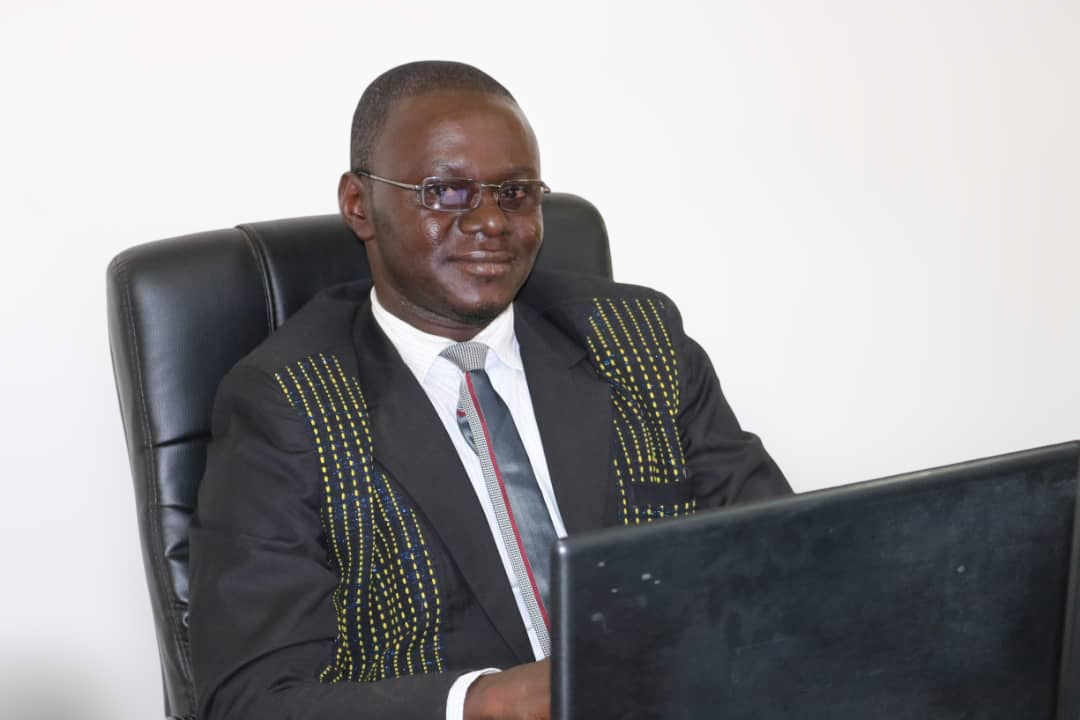
Kaboré held onto his mother’s parting words through secondary school and university. He eventually passed a journalism exam during his bachelor’s degree and continued his studies, always with the idea that his mother had asked him never to stop.
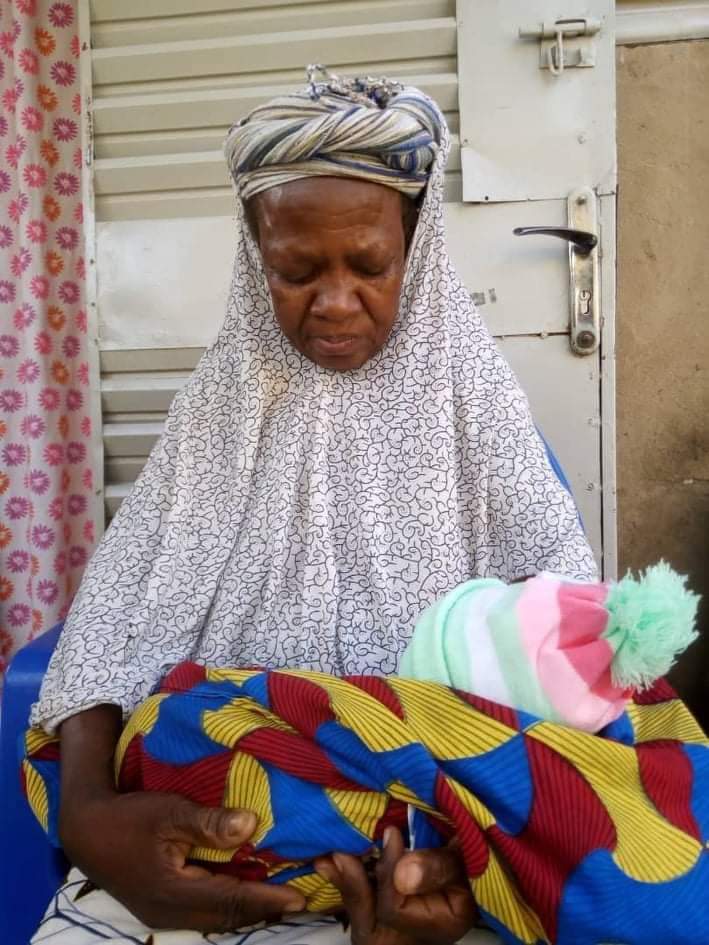
The breakthrough came in late 2020. Kaboré, then working at the Ministry of Transport, received a forwarded voice message and photo from a childhood friend in Boromo.
The message said an elderly woman had been found. She had lost her voice and could only say she was from Boromo.
The photo was not enough for Kaboré to be certain. He sent it to his younger brother, who had lived with their mother until her departure.
The brother recognized her, pointing to three scars on her cheeks—a detail the family remembered.
A contact in Guinea, Sawadogo Youssouf, vice-president of the Burkinabè community in the Kankan area, sent a close-up photo confirming the scars.
Travel was difficult due to COVID-19 restrictions, but Kaboré’s colleagues at the ministry rallied. The minister arranged for a plane ticket to Mali and a laissez-passer to facilitate his journey into Guinea.
He traveled to Siguiri, then to the commune of Boukaria, where his mother had been found.
The reunion was not the embrace he had imagined. “She was a mother who was not lucid.
I tried to kiss her. She looked at me, but it meant absolutely nothing to her,” he said.
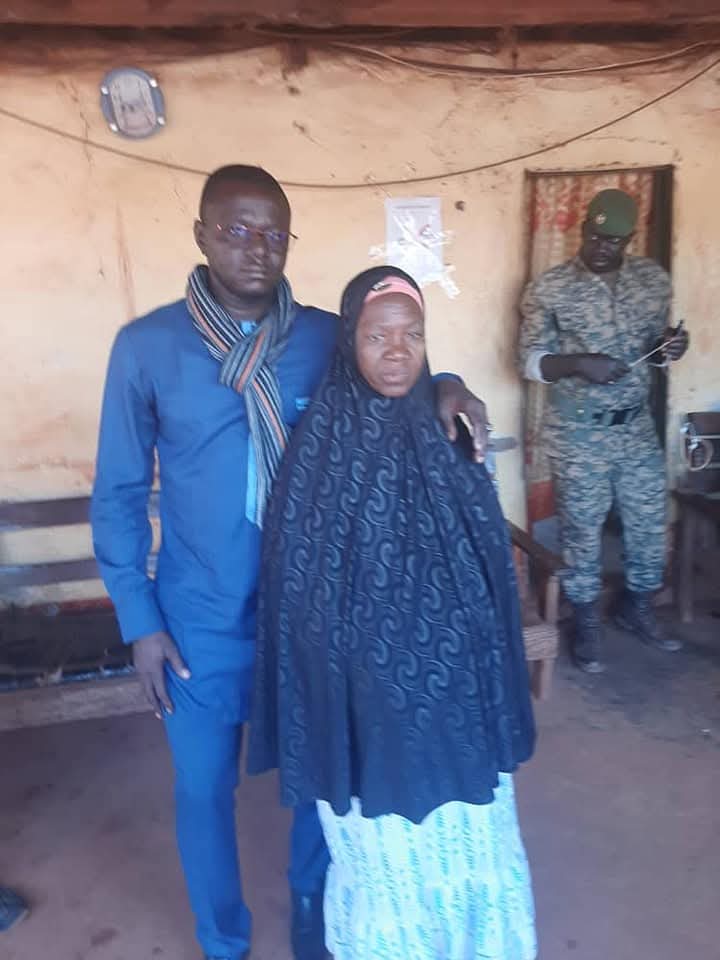
They took photos to mark the moment, and Kaboré wept. He wondered how she had traveled more than 2,000 kilometers from Burkina Faso.
Members of the Burkinabè community in Guinea helped bring her home.
Six years later, Kaboré reports that his mother has recovered significantly. She gradually regained her speech.
He built her a house, where she now lives independently, cooking for herself and moving about freely. He named his youngest daughter, born a month after the reunion, Boukaria, in honor of the Guinean commune where his mother was found.
Reflecting on the experience, Kaboré said the disappearance affected his schooling and his sense of competition with peers. “I am an orphan of a mother who is not dead but who disappeared,” he said.
He urged others waiting for missing relatives not to give up hope. “The human being is sacred,” he said.
“As long as you don’t have proof that the person is in a grave, sooner or later, you can find them.”
He noted that many people around him have shared similar stories of missing loved ones. “I thought I was the only person living this,” he said.
“Yet around me, there were others.”
Source: leFaso.net