









Rising Voices: Why Children’s Role in Combating Climate Change is Indispensable
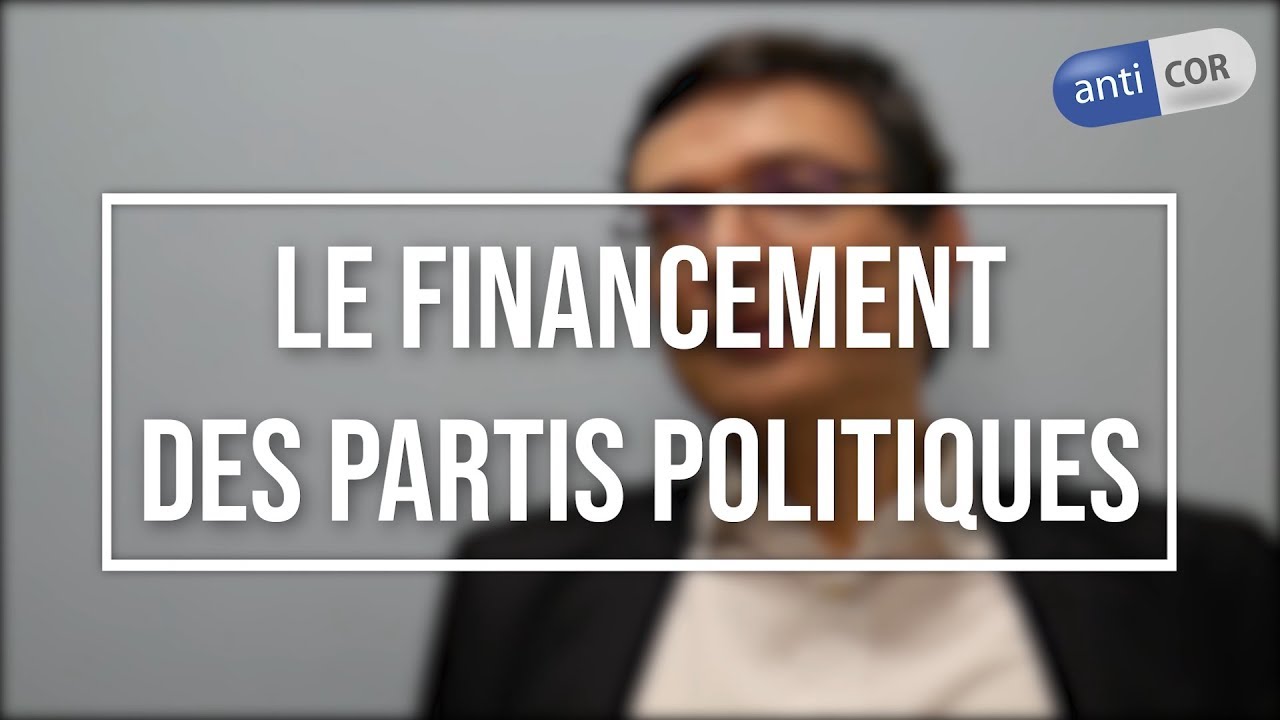
KIGALI, Rwanda – On a bright Saturday morning, November 1, 2025, the usual quiet of a community center in Kigali was replaced by the animated voices of an unlikely group of climate advocates. Children, some barely tall enough to see over the podium, stood alongside government officials and environmental experts, not as silent observers, but as primary stakeholders in one of the greatest challenges of our time: climate change.
The event, a dialogue platform organized by Save the Children International and its partners, was not merely symbolic. It represented a fundamental shift in how we perceive agency in the climate crisis. Here, the perspectives of the youngest generation were not just heard; they were documented, analyzed, and promised integration into actionable policy. The air was thick not with political rhetoric, but with the palpable determination of youth who understand that their future is the one most directly on the line.
Beyond Victims: Children as Strategic Partners in Climate Action
David Ukwishaka, a specialist in greenhouse gas monitoring at the Rwanda Environment Management Authority (REMA), articulated a sentiment echoed by many in the room. “Children are among the first and most severely impacted by climate change,” he stated, his tone both serious and hopeful. “Think about it: when schools are closed due to floods or landslides, it is their education that is disrupted, sometimes permanently. We cannot afford to view them as mere bystanders or passive victims. They are, and must be, co-collaborators.”
This reframing is critical. For decades, climate discourse has positioned children as a vulnerable group to be protected—which they are. But this event underscored a more dynamic truth: they are also a reservoir of innovation, motivation, and grassroots action. Ukwishaka noted the most encouraging aspect is the children’s own recognition of the crisis. “They are not waiting for permission to act. They see the problem, feel its effects, and are already mobilizing in their communities, planting trees, and leading waste management initiatives.”
From Local Action to Continental Influence: The Story of Abijuru
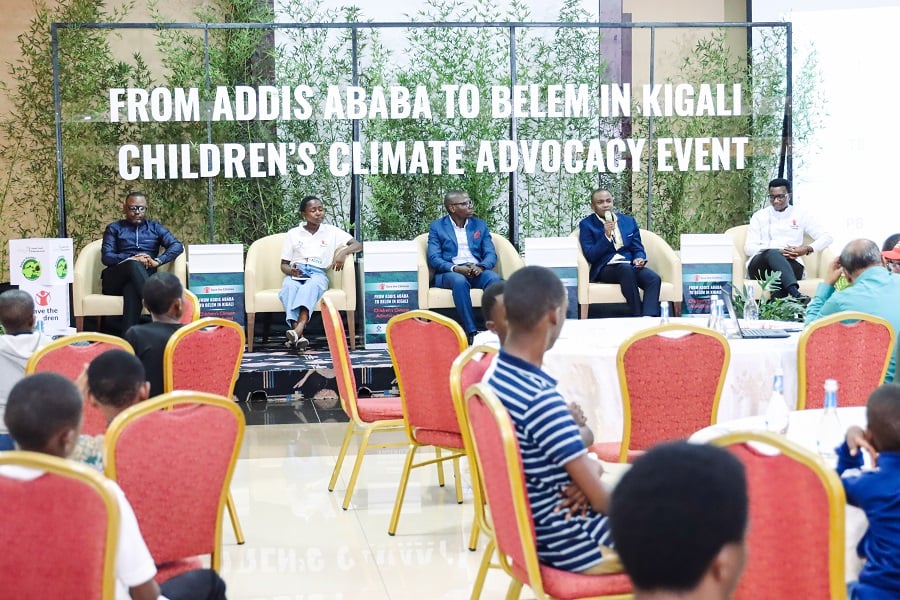
One of the powerful voices at the event belonged to Abijuru Ange Aline, a young resident of Kigali. For her, climate change is not an abstract concept discussed in international conferences; it is a reality witnessed in her neighborhood. “The impacts are right here,” she explained. “We see homes destroyed by heavy rains, leaving families—including children—homeless. This is why we have committed ourselves to action.”
Her commitment is far from theoretical. Through local youth groups, Abijuru and her peers have already planted over 1,200 trees in their sector, with plans for thousands more. But her influence extends beyond city limits. Recently, she returned from the African Climate Summit in Ethiopia, an experience that broadened her understanding and solidified her resolve.
“I learned so much about the interconnectedness of our actions,” she shared. “Now, my goal is to share that knowledge with my friends who couldn’t be there. We may be young, but our collective action can create a wave of change.” Her journey from a community activist to a continental delegate and back again exemplifies the potential of investing in youth capacity building.
Cultivating Leadership and Agency from a Young Age
Mucunguzi Amza, a student at GS Cyivugiza in Kigali, echoed this sentiment of proactive involvement. “Wherever I go and hear discussions about the environment, it’s clear that paying attention is crucial,” he said. “That’s why I decided to add my voice as a child, so that what is being done for us is also done with us.”
His plans are immediate and concrete. “At my school and in the surrounding areas, we are prepared to plant trees this very month to mitigate the effects of storms and to make our city more beautiful, with cleaner air to breathe.” This blend of advocacy and tangible action demonstrates a maturity that challenges the traditional top-down approach to environmental management.
The Structural Support: How Organizations Are Nurturing the Next Generation
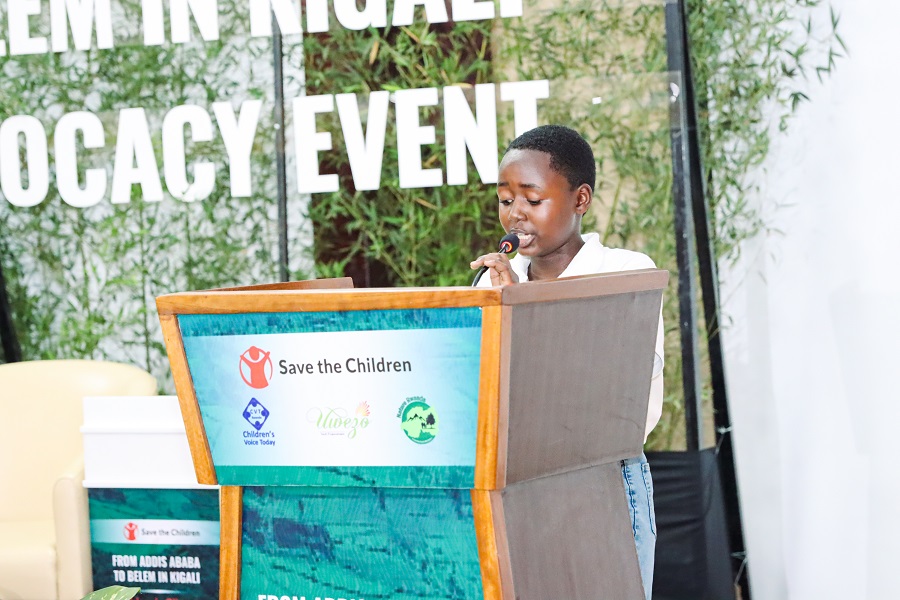
Behind these young voices is a structured effort to nurture their agency. Marcel Sibomana, the Program Director and Manager at Save the Children in Rwanda, explained the philosophy driving their work. “As an organization dedicated to children, we train and mentor them to take on responsibilities while they are still young,” he said.
He used a powerful analogy: “If the slogan is ‘let every person plant a tree,’ then a child can also do it, and they are capable. This is a way of preparing a child to be a leader, someone who can contribute ideas, so that when they grow up and are given responsibility, it won’t be overwhelming.”
This long-term view is central to building a resilient society. By integrating climate education and action into childhood development, the goal is to create a generation of adults for whom environmental stewardship is second nature. “This is why we want children to learn about global issues like climate change early,” Sibomana emphasized, “so that as they grow, they become part of the solution-finding generation.”
The platform for dialogue is a critical component of this strategy. These are not token discussions. The objective is to ensure children’s views are understood, amplified, and channeled to the highest levels of decision-making, ensuring their aspirations find practical solutions.
Inclusive Action: Leaving No Child Behind
A particularly commendable aspect of this initiative is its commitment to inclusivity. Sibomana revealed that to date, these programs have reached over 500,000 children across various districts of Rwanda. Crucially, children with disabilities are not left on the sidelines. Save the Children works in partnership with organizations like Uwezo Youth Empowerment, which focuses on empowering children with disabilities, and Children’s Voice Today, to ensure every child has a platform.
This inclusive approach recognizes that the impacts of climate change are not felt uniformly, and neither should the opportunity to respond be. Children from all walks of life, with diverse abilities and backgrounds, bring unique perspectives that are essential for crafting holistic and resilient climate adaptation strategies.
The Ripple Effect: Why This Model Matters for the World
The work being done in Rwanda offers a blueprint for the world. It challenges the pervasive, disempowering narrative of “climate anxiety” among youth and replaces it with “climate agency.” When children are given the tools, the platform, and the respect their insights deserve, they transition from a state of worry to a state of purpose.
Consider the alternative: a generation that grows up witnessing ecological decline, feeling its consequences, but being systematically excluded from the conversation about solutions. This not only wastes a vast potential for innovation but also fosters disillusionment and despair.
The model demonstrated in Kigali does the opposite. It builds civic competence, fosters environmental literacy, and cultivates a sense of ownership over the future. The children planting trees today are not just offsetting carbon; they are rooting themselves in the belief that they can shape their world.
Beyond Tree Planting: A Holistic Vision for Youth-Led Climate Resilience
While tree planting is a visible and impactful activity, the vision shared by the children and supporting organizations is far more comprehensive. It includes:
- Waste Management Advocacy: Youth-led campaigns for proper waste segregation and recycling to reduce pollution and landfill emissions.
- Education and Awareness: Peer-to-peer knowledge sharing, where children who attend international forums return to educate their communities.
- Policy Influence: Structured channels for children’s recommendations to be formally presented to local and national government bodies.
- Disaster Risk Reduction: Training children and schools on how to prepare for and respond to climate-induced disasters like floods and landslides.
This multi-pronged approach ensures that children’s participation is not a one-off event but a sustained, evolving partnership in national development and climate adaptation.
A Call to Listen: The Unignorable Logic of Children’s Inclusion
As the climate crisis intensifies, the question is no longer if we should include children, but how we can do so more effectively and equitably. The logic is unassailable. They have the most to lose, they possess a clarity of vision often unclouded by political or economic interests, and they are the ones who will inherit the outcomes of today’s decisions—both good and bad.
The dialogue in Kigali serves as a powerful reminder that the fight against climate change is not just about reducing emissions or transitioning to green energy. It is also about cultivating a new social contract—one that respects intergenerational justice and recognizes the agency of every citizen, regardless of age.
The voices of Abijuru, Mucunguzi, and the hundreds of thousands of other Rwandan children stepping into their power are a beacon of hope. They are not just preparing to lead tomorrow; they are leading today, reminding us all that in the monumental task of safeguarding our planet, every voice, especially the youngest ones, is indeed indispensable.
This article is based on an original report from Kigali Today. Full credit goes to the original source. We invite our readers to explore the original article for more insights directly from the source. (Source)