

Skip to content
AdvertisementAdvertisement

Search news

Type to search stories, topics and pages.

Climate & Environment

Climate & Environment: Reporting on the regional impact of climate change, conservation efforts, and the transition to sustainable energy solutions.

Climate & Environment

ECOWAS Seeks German, Swiss Backing for Climate Mobility Project After Addis Talks

By Kabir Isa

ECOWAS has asked German and Swiss cooperation partners to back a new regional project on climate-induced human mobility, raising the request at a bilateral meeting held alongside African Union sessions in Addis Ababa. The wider programme of meetings, held from 12 to 15 October 2026, included a workshop on loss and damage finance and a validation meeting that adopted the English version of a draft AU continental strategy on migration and climate change.
Climate & Environment

Cutting Air Pollution and Greenhouse Gases Together Could Save African Economies Billions

By Kabir Isa

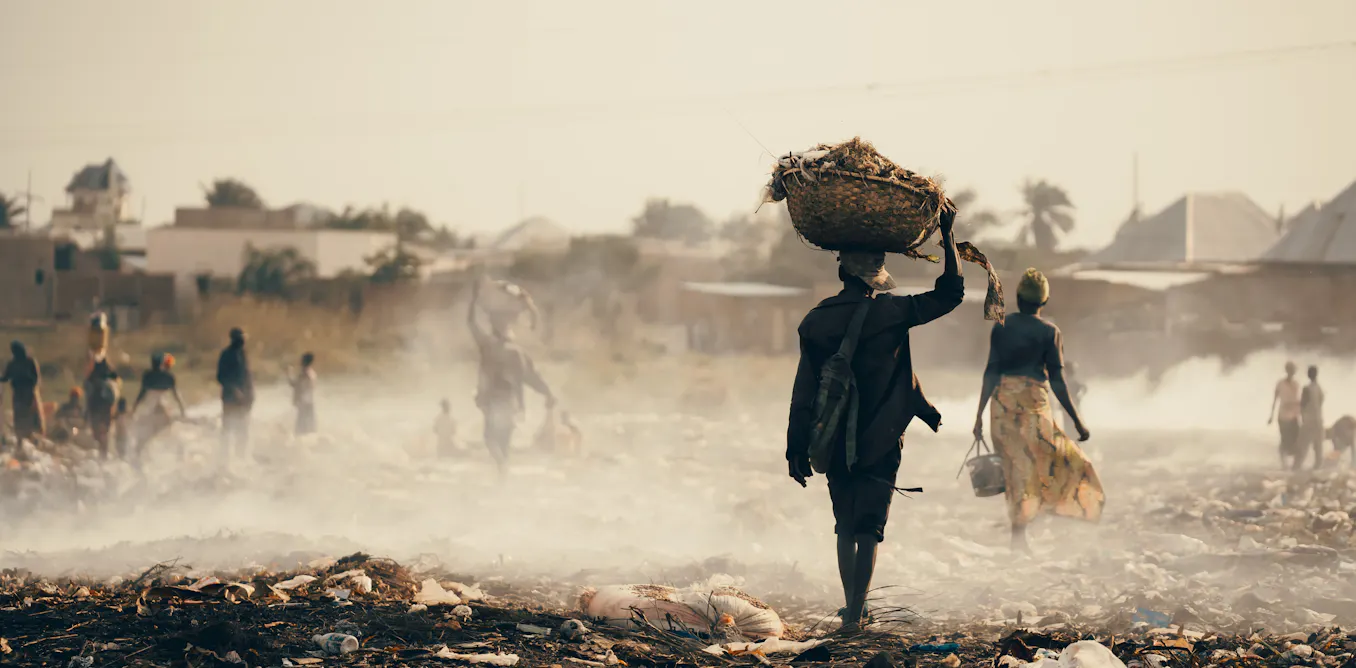
Research by three environmental scientists finds that tackling air pollution and greenhouse gas emissions together could return about US$26 for every dollar spent in parts of southern Africa. The studies identify 25 proven solutions and 37 areas for action, and note that only around 1% of international development finance currently goes towards air pollution.

Climate & Environment

ECOWAS Closes Lomé Workshop on Energy Efficiency Data, Validates Regional Collection Strategy

By Kabir Isa

ECOWAS and its partners convened energy and statistics officials from Member States in Lomé from 5 to 9 October 2026 to review energy efficiency indicators for 2023 and 2024. Delegations validated data country by country and technically endorsed a regional collection strategy covering energy efficiency, biomass and clean cooking. The reviewed data will feed a second edition of the ECOWAS Regional Energy Efficiency Report and the region's energy information platforms.

Agriculture & Food Security

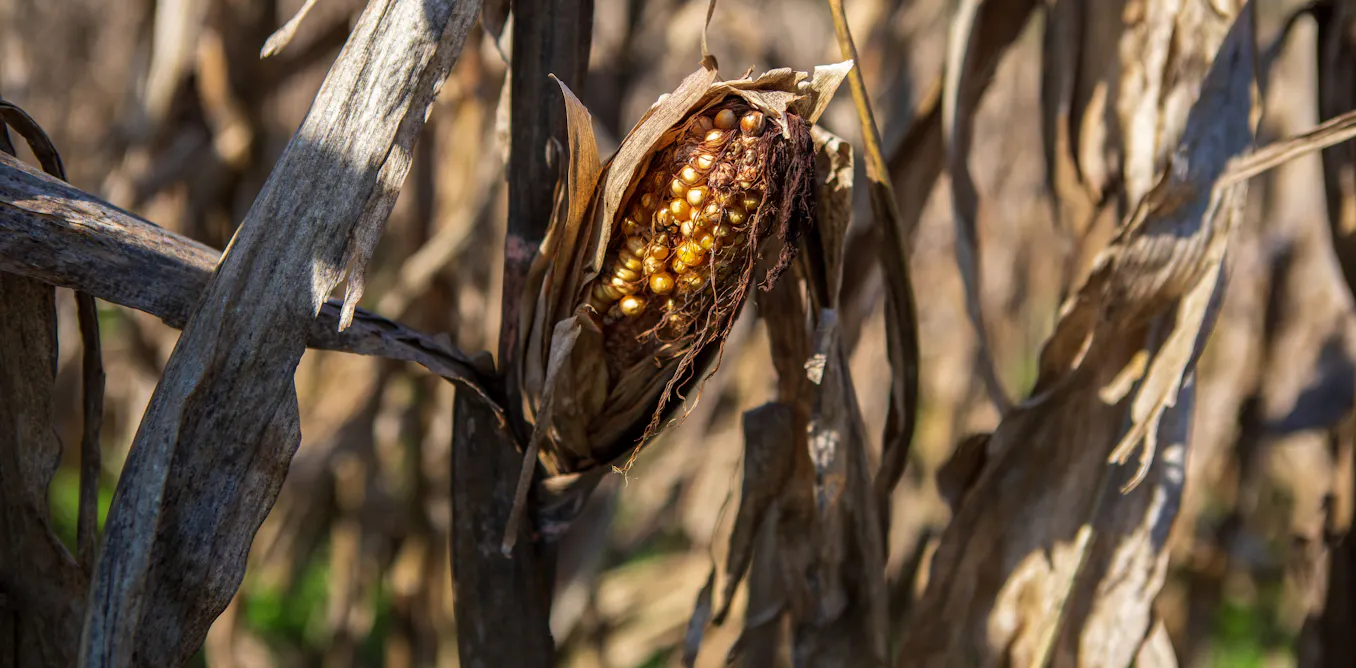
Super El Niño Threatens Southern Africa Bean Harvests, Up to 78% Losses

By Kabir Isa

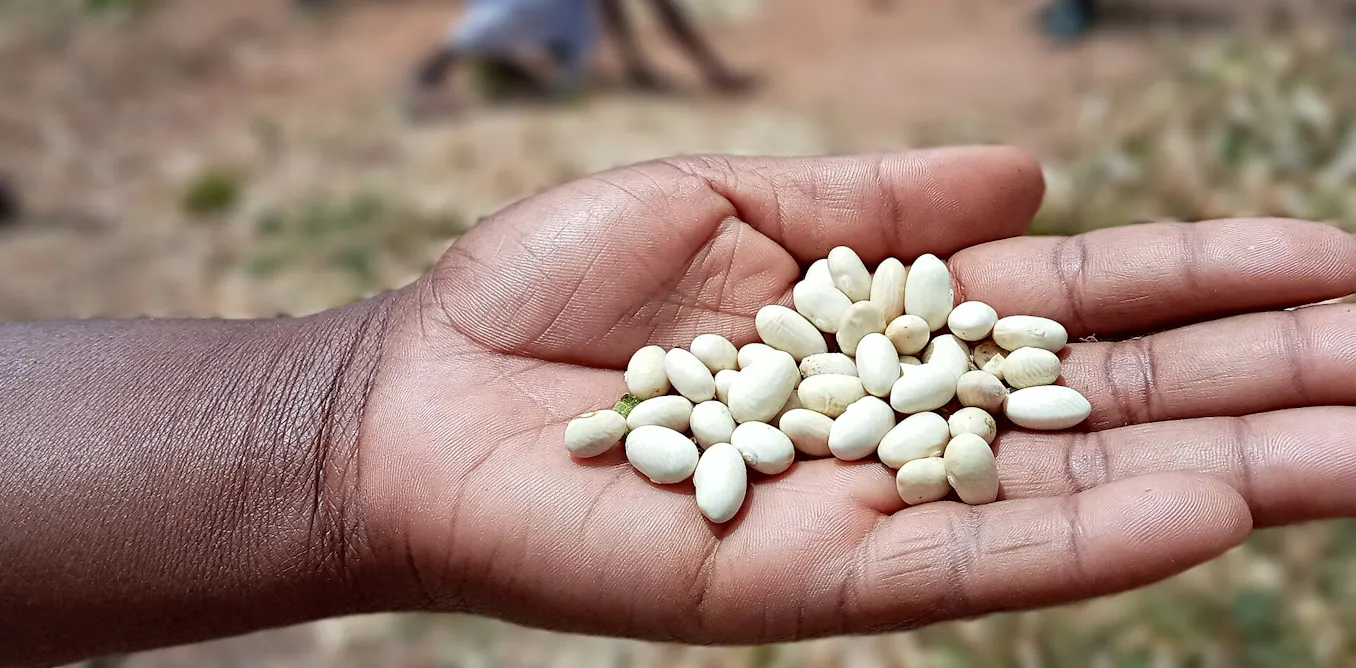
A review of 62 studies across the Southern African Development Community found that climate shocks have cut legume harvests by up to 78%, and researchers warn a super El Niño expected from September 2026 into early 2027 could bring similar losses. Researcher Moses Chitete outlines steps farmers and governments can take, from drought-tolerant seed to stronger early-warning systems and crop insurance.

Climate & Environment

Atlantic Ocean Temperatures Linked to Leishmaniasis Transmission in North Africa, Study Finds

By Kabir Isa

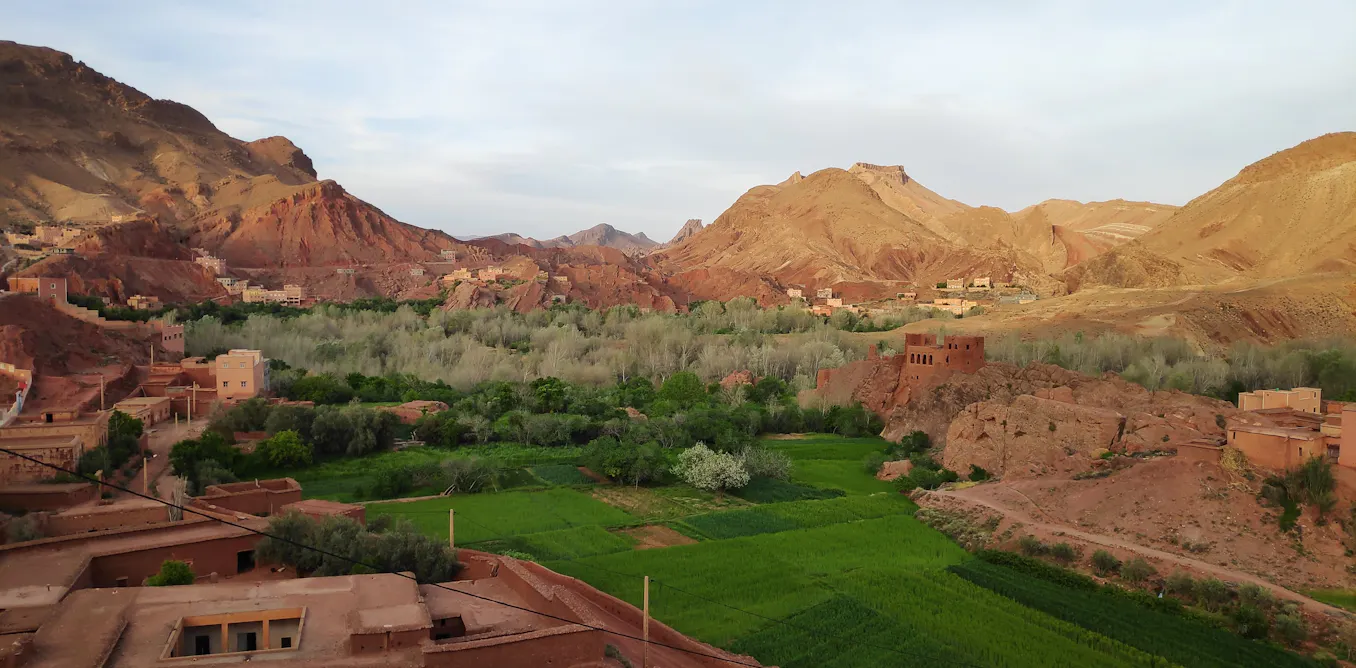
Research by Adrià San José Plana and Xavier Rodó links year-to-year changes in cutaneous leishmaniasis transmission in north Africa to climate variability originating in the Atlantic Ocean. The study found that slowly varying Atlantic temperatures influence westerly winds that carry moisture to the region, affecting rainfall, desert vegetation, rodent reservoirs and sandfly habitats. The findings lay groundwork for forecasting the disease in Morocco and Tunisia.

Climate & Environment

ECOWAS, EU, GIZ Launch REGIS-WA to Overhaul West Africa Energy Data

By Kabir Isa

ECOWAS, the European Union and GIZ opened a two-day workshop in Abuja on September 29, 2026, to launch the Regional Energy Governance and Information System in West Africa. The project, funded by the EU with a budget of 3,000,000 million Euros and implemented by GIZ, aims to harmonise regional energy governance and strengthen the ECOWAS Energy Information System.

Climate & Environment

Rising CO2 Is Making African Savanna Grasses Grow More, Study Finds

By Kabir Isa

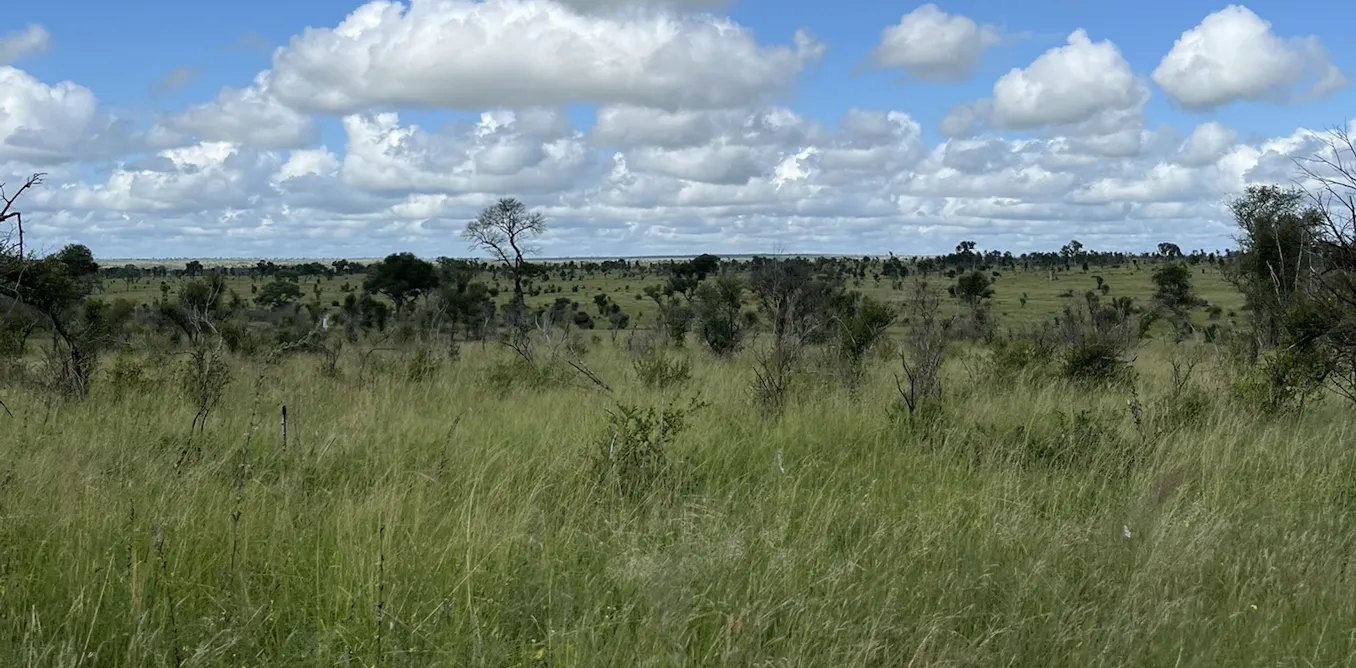
Research combining 70 experiments, three decades of field data from Kruger National Park and computer modelling found grass production rose 28% between 1989 and 2021 as atmospheric CO2 climbed about 18%. The growth boost came mainly from grasses using scarce water more efficiently, and the study's authors say it does not mean the extra growth offsets global warming.

Climate & Environment

Namibia’s Capital Is Dry, Dusty and Proud of It, Researchers Say

By Kabir Isa

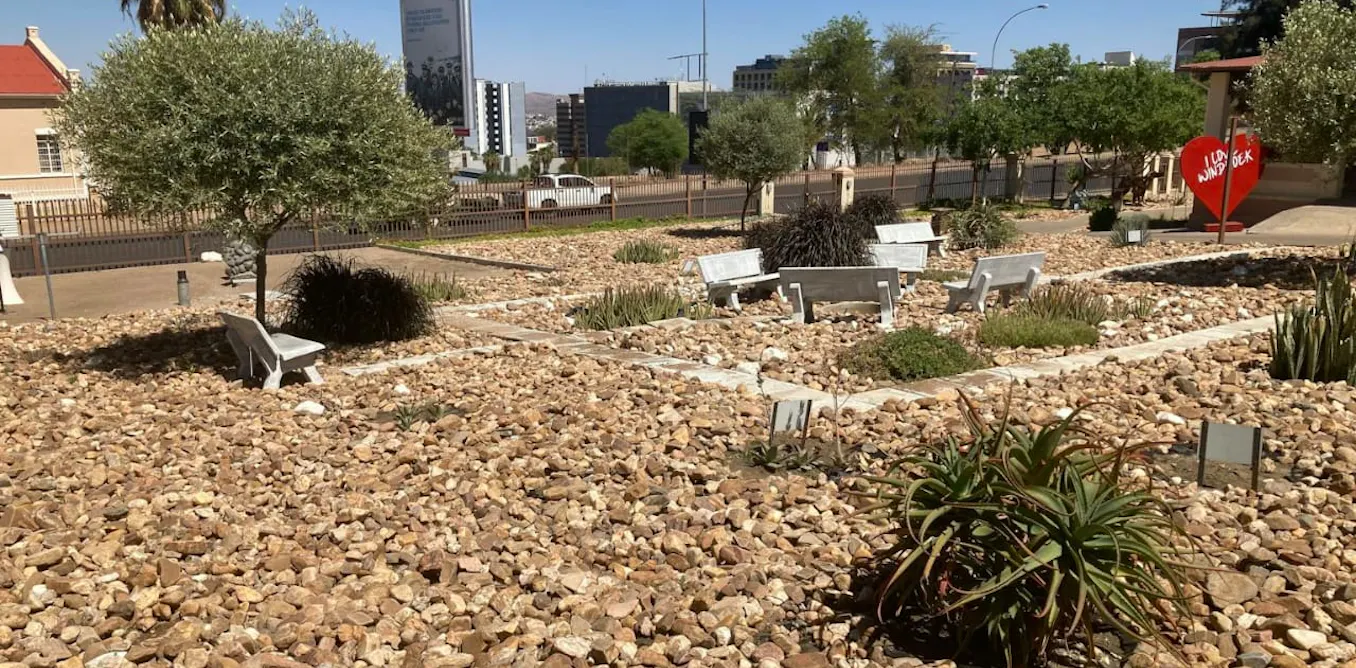
Two landscape architects argue that Windhoek's climate policy is strong on paper but focused on disaster response rather than everyday adaptation, and that the city's dry, brown landscape should be treated as an asset rather than a problem. Their study proposes bioswales, contour swales, berms and drought-tolerant indigenous planting, and notes that informal settlements are growing faster than basic infrastructure can follow.