










Honoring the Enduring Legacy of Black Soldiers on Veterans Day
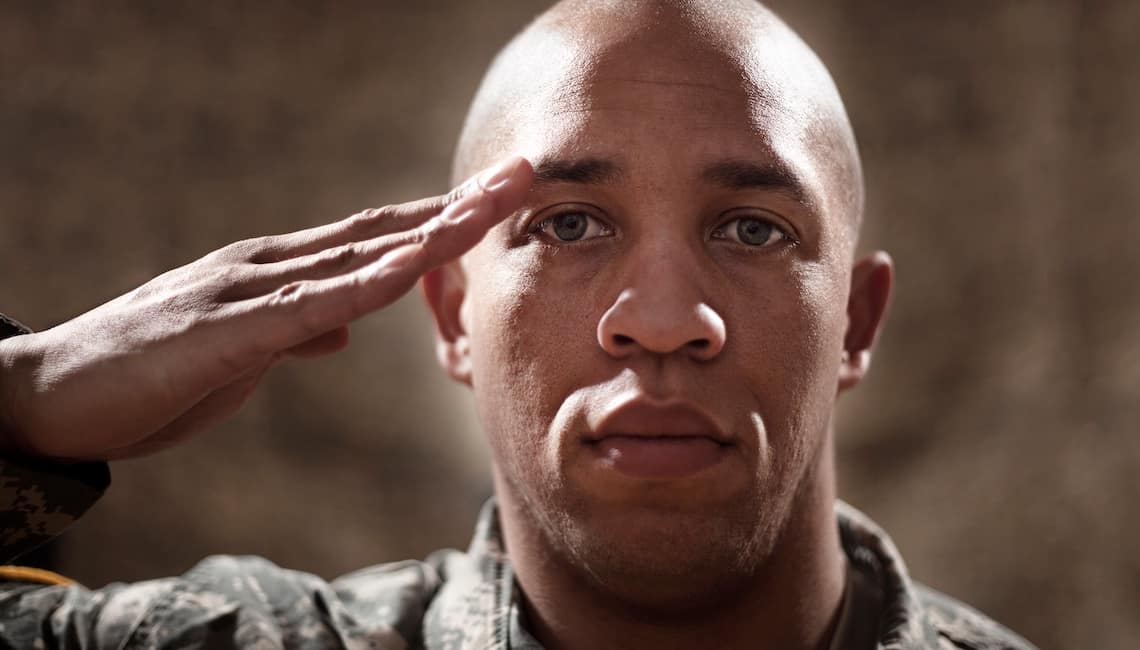
The guns fell silent on the eleventh hour of the eleventh day of the eleventh month in 1918, marking the end of the devastating global conflict of World War I. As nations breathed a collective sigh of relief, memorial services sprang up to honor the immense sacrifice of the soldiers who fought for freedom. This profound moment of remembrance and celebration for the fallen would become the foundation for what we now know as Veterans Day.
From Armistice Day to a National Holiday
America formally recognized this day of tribute through a Congressional resolution in 1926, establishing Armistice Day to honor the veterans of the Great War. A dozen years later, it was cemented as a national holiday, with the very first celebration under the name “Veterans Day” taking place in Birmingham, Alabama.
A Legacy of Valor and Overlooked Sacrifice
Black soldiers have answered the call to arms with unwavering bravery since the Revolutionary War. Yet, in a painful irony, their monumental contributions and courage have frequently been sidelined by the very nation that proclaims itself the “land of the free and home of the brave.” They laid down their lives for a country that, through systemic racial injustice, often treated them as second-class citizens. While fighting for democracy overseas, they were denied fundamental human rights at home. This Veterans Day, we shine a light on this powerful, and often painful, legacy.
The Duality of Service and Discrimination
The narrative of the Black military veteran is one of stark duality. These men and women fought valiantly for ideals of freedom and democracy abroad, only to return home and confront the greater evil of racial discrimination. Consider the Harlem Hellfighters, a unit celebrated and decorated for their heroism in France during World War I. Despite their accolades, they were conspicuously absent from their own country’s victory parade. It would take a full century for the United States to grant them a posthumous Congressional Gold Medal.
Where their white comrades were celebrated with public praise and tangible benefits like the G.I. Bill, Black soldiers were systematically denied these opportunities. The promise of the “American Dream,” earned through blood and sacrifice, became a distant, nightmarish reality for many.
A Voice for Recognition
Bryan Stevenson, renowned author of Just Mercy and founder of the Equal Justice Initiative, articulated this historical neglect in an interview with The New Yorker. “We do so much in this country to celebrate and honor those who risk their lives on the battlefield,” Stevenson argued. “But we forget that Black veterans were more likely to be attacked for their service than honored for it.”
Paving the Way for Progress
Despite these overwhelming obstacles, the tremendous sacrifices of Black servicemen and women have paved the way for significant progress. African Americans have ascended to the highest ranks across all branches of the military. A landmark achievement came when Gen. Lloyd J. Austin III was appointed as the first Black U.S. Secretary of Defense. Similarly, in 2011, Major Gen. Marcia M. Anderson broke barriers as the Army’s first Black female reserve officer to achieve the rank of major general.
Celebrating the Pioneers
On this day of remembrance, we celebrate the unparalleled bravery of units like the Tuskegee Airmen and the Montford Point Marines. We honor the unwavering courage of individuals such as Cathay Williams, Benjamin O. Davis Sr., Lt. Henry Ossian Flipper, Brig. Gen. Hazel Jones Brown, and former Secretary of State Colin Powell, among countless others whose names are etched in valor.
Black Americans possess a distinguished history of military service, marked by excellence forged in the face of overwhelming adversity. They served with distinction, all while holding America accountable to its foundational constitutional promise: that all people are created equal, endowed with unalienable rights to Life, Liberty, and the pursuit of Happiness. It is a legacy of patriotism that persisted even when the promise did not.