










Sarah’s Oil Resurrects the Astonishing True Story of America’s Youngest Black Millionaire
Historical cinema typically follows three distinct paths: using major events as dramatic backdrops, crafting intimate biographical portraits, or delivering straightforward historical accounts. The new period drama Sarah’s Oil charts its own course, resurrecting one of America’s most remarkable—and largely forgotten—rags-to-riches stories.
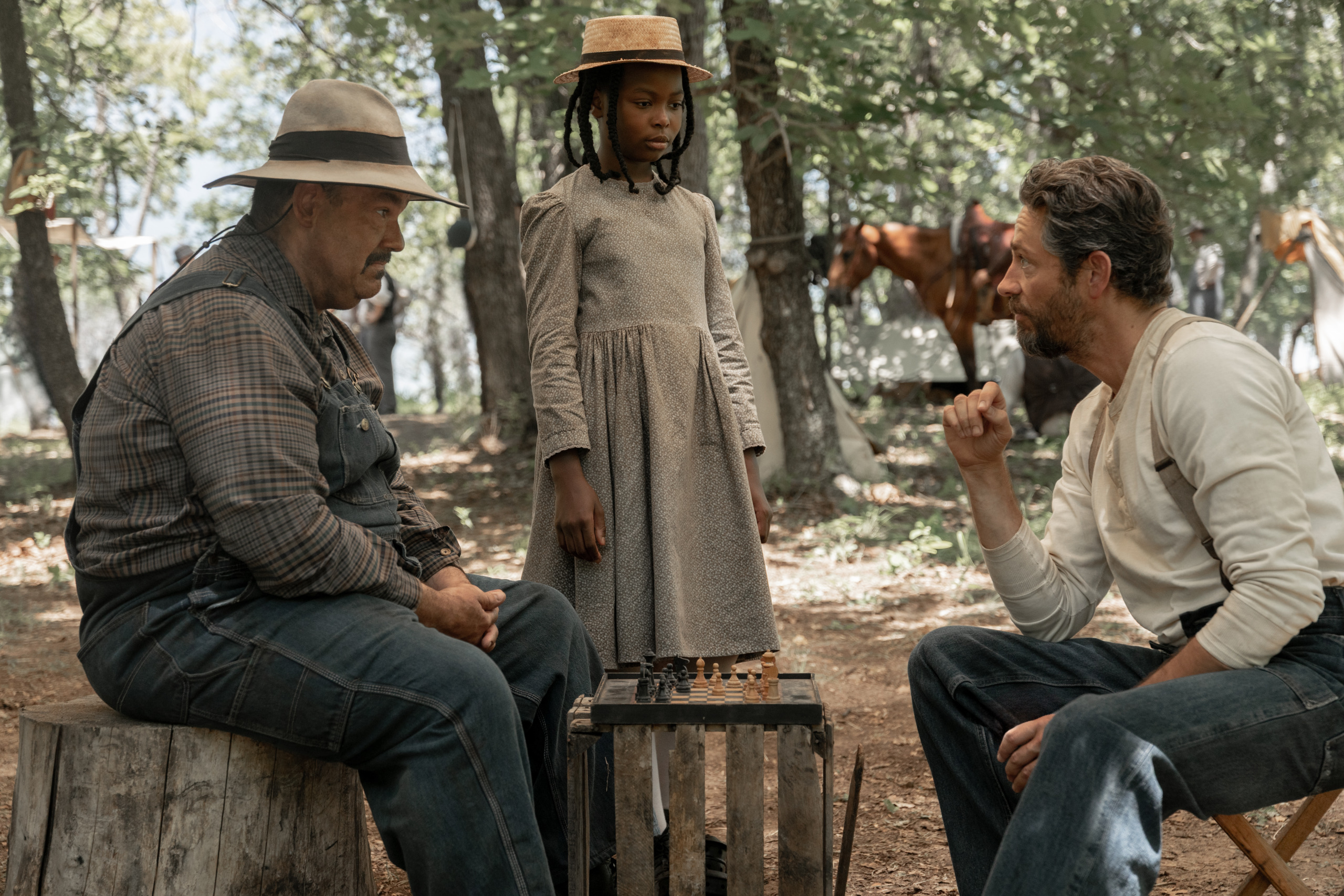
Executive produced by Ciara and Russell Wilson, filmmaker Cyrus Nowrasteh’s latest project introduces audiences to Sarah Rector, portrayed with compelling depth by young actress Naya Desir-Johnson. In the early 1900s, this 11-year-old Black girl—a granddaughter of Creek Indians—received an unexpected inheritance: a seemingly worthless parcel of Oklahoma land through the Treaty of 1866. What followed became one of the most extraordinary financial journeys in American history.
From Barren Land to Black Gold
The film chronicles how young Sarah’s intuition proved sharper than any geological survey. Convinced that crude oil lay beneath her inherited property, she persuaded her father Joe (Kenric Green) to approach skeptical—and often openly racist—oil magnates about drilling rights. In the Jim Crow South, where Black ambition frequently met violent resistance, the Rector family’s quest seemed impossible from the start.
Their fortunes shifted when they partnered with Bert (Zachary Levi), a maverick prospector willing to challenge the establishment. Together, they faced down powerful men determined to cheat, lie, and even kill to seize what rightfully belonged to an 11-year-old girl. The true story behind Sarah’s Oil reveals how Rector’s land eventually produced massive quantities of oil, earning her millions through leases with the Standard Oil Company and making her one of America’s first Black millionaires while still a teenager.
Hollywood’s Evolving Black Historical Narrative
The very existence of Sarah’s Oil marks significant progress in how Hollywood treats Black historical narratives. Compare today’s landscape to the late 1990s, when John Singleton’s Rosewood—detailing the massacre of a Black Florida town—nearly derailed his career. The industry has traveled far from those days to the Academy Award success of Steve McQueen’s 12 Years a Slave and the mainstream embrace of stories like Hidden Figures.
Nowrasteh structures Sarah’s Oil with the earnestness of a Black History Month educational film, but given how few of these vital stories reach the screen, the production feels like a revelation. The film joins the tradition of inspiring biopics like Queen of Katwe, celebrating intellectual prowess and business acumen in communities too often portrayed solely through the lens of struggle.
Beyond the Silver Screen: Sarah Rector’s Lasting Legacy
The film captures Rector’s remarkable business savvy and negotiation skills, portraying a child who understood the value of her inheritance better than the adults attempting to swindle her. Her story didn’t end with oil wealth—she grew into a prominent socialite during the Jazz Age, hosting legendary parties in Kansas City attended by musical icons like Duke Ellington and Count Basie.
While Sarah’s Oil offers an uplifting conclusion, history records that Rector lost much of her fortune during the Great Depression. Yet her legacy endures as testament to Black economic empowerment and the fierce determination required to protect it. In an era when systemic barriers made such success nearly unthinkable, Sarah Rector’s story reminds us that some barriers are meant to be broken.