

Tasha Page-Lockhart’s Pregnancy and Return to Music: A West African Perspective on Faith, Resilience, and the Power of Testimony
The Report
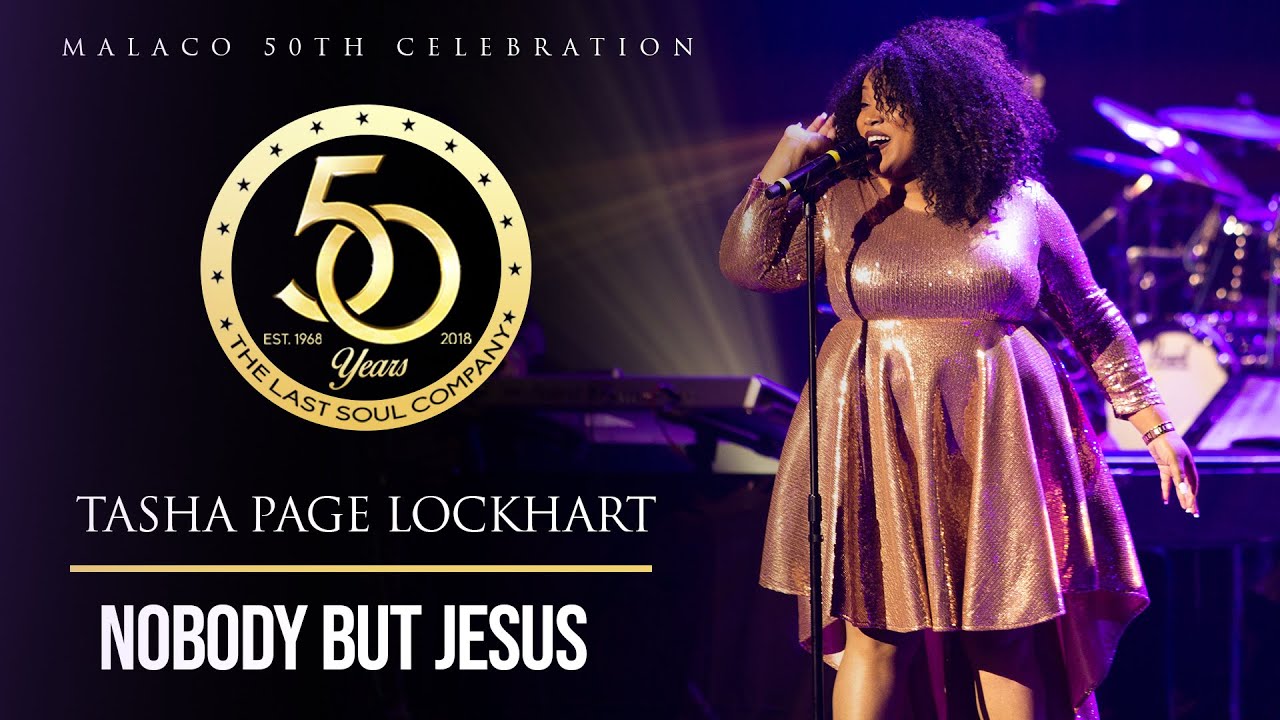
As reported by The Nightly Spirit host Darlene McCoy, gospel singer Tasha Page-Lockhart has announced a surprise pregnancy, a development she describes as a miracle after being told years ago she could not have more children. The announcement was made during an interview on The Nightly Spirit, where Page-Lockhart also revealed her return to solo music after a six-year hiatus with a new single, “He’s on the Way.” The singer, who married in June 2025, shared that the pregnancy has forced her to slow down her promotional plans, trusting in divine timing rather than her own schedule. The conversation also touched on spiritual warfare, prayer, and finding hope amid life’s pressures.
“She told McCoy she was stunned to learn she was expecting, especially after having been told years ago that she would not have any more children.”
A miracle neither of them saw coming
Back to solo music after six years
Love Black America Web? Get more! Join the Black America Web Newsletter
Faith in the middle of the fight
WANA Regional Analysis
While the story of Tasha Page-Lockhart’s pregnancy and musical return originates in the United States, its themes of faith, resilience, and the intersection of personal testimony with public ministry resonate deeply across West Africa. The region, home to some of the world’s fastest-growing Christian populations, particularly in Nigeria, Ghana, and Ivory Coast, has a vibrant gospel music industry that often mirrors the narratives of hope and divine intervention found in Page-Lockhart’s story.
From a regional perspective, the announcement underscores a broader cultural phenomenon: the power of personal testimony as a tool for social cohesion and spiritual encouragement. In West Africa, where economic uncertainty, political instability, and health challenges are common, stories of unexpected blessings—such as a pregnancy after medical impossibility—serve as powerful counter-narratives to despair. Gospel artists in the region, from Sinach to Nathaniel Bassey, have built massive followings by weaving such testimonies into their music, creating a shared language of hope that transcends borders.
The economic implications are also noteworthy. Page-Lockhart’s return to music after a six-year break, coupled with her new family chapter, could signal a renewed interest in her catalog and live performances. For West African promoters and streaming platforms, this represents a potential opportunity. Gospel music is a multi-million dollar industry in the region, with concerts and digital sales driving significant revenue. If Page-Lockhart’s story gains traction in West African media—as similar testimonies often do—it could lead to increased demand for her music and even tour dates in cities like Lagos, Accra, or Abidjan.
From a governance and social policy standpoint, the story highlights the importance of maternal health and family support systems. In many West African countries, women face high rates of infertility and pregnancy complications, often compounded by limited access to healthcare. Page-Lockhart’s narrative, while personal, indirectly draws attention to the need for better reproductive health services and the emotional and spiritual support that faith communities can provide. It also reinforces the role of religious institutions as key players in social welfare, a dynamic that ECOWAS member states have increasingly recognized in their development strategies.
Diplomatically, the story serves as a soft-power bridge between the United States and West Africa. Gospel music is a significant cultural export, and artists like Page-Lockhart, who share narratives of overcoming adversity, strengthen the cultural ties that underpin broader diplomatic and economic relationships. The African Continental Free Trade Area (AfCFTA) and ECOWAS’s own cultural protocols could benefit from such cross-Atlantic exchanges, as they promote the movement of creative content and talent.
Against this backdrop, Page-Lockhart’s decision to slow down and trust in divine timing offers a subtle but powerful commentary on the pressures of modern life, particularly for women balancing career, family, and faith. In West Africa, where the “hustle culture” is often celebrated, her testimony provides an alternative model: one that values rest, faith, and the acceptance of life’s unexpected turns. This message is especially relevant for young West African women navigating similar pressures in rapidly urbanizing societies.
Regional Backdrop
West Africa has a long history of integrating personal faith narratives into public life. From the rise of Pentecostalism in the 1980s to the current dominance of gospel music on streaming charts, the region has consistently embraced stories of divine intervention and personal transformation. The concept of “testimony” is not merely a religious practice but a social currency, used to build trust, inspire action, and foster community resilience. Page-Lockhart’s story fits neatly into this tradition, making it likely to be amplified by West African media outlets and church networks.
Historically, West African governments have recognized the stabilizing role of religious institutions. In times of political crisis, such as during the Ebola outbreak or post-election tensions, faith leaders have been instrumental in disseminating public health information and promoting peace. Page-Lockhart’s message of hope and trust in a higher plan aligns with this broader governance approach, which often leverages religious narratives to maintain social order and encourage positive behavior.
Original Reporting By:
The Nightly Spirit

Comments