
COMESA Launches Regional Curriculum Design to Bridge Gender Gaps in Energy Sector Leadership and STEM
The Report
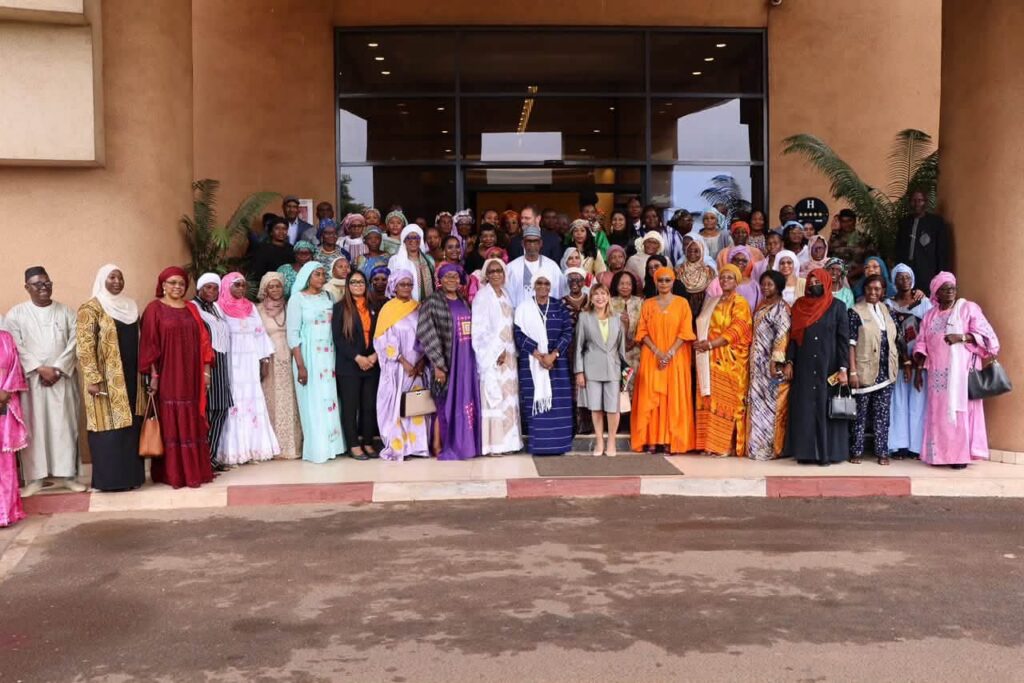
As reported by the Common Market for Eastern and Southern Africa (COMESA) via its official procurement notice, the organisation has issued a consultancy tender for the curriculum design of a regional Women’s Leadership Institute and a regional STEM Skills Accelerator Institute. The initiative is funded through a World Bank grant under the Accelerating Sustainable and Clean Energy Access Transformation (ASCENT) program.
The consultancy’s core objective is to develop foundational curricula that address the skills gap females face in the energy sector, particularly in leadership and STEM fields. The assignment includes conducting a regional assessment of skill gaps, developing a blueprint for the institutes, establishing a programme framework, collaborating with stakeholders, designing a pilot programme, mapping potential partner institutions, and planning resource allocation. The tender reference is ZM-COMESA -544687-CS-QCBS, and the full terms of reference are available from the COMESA Secretariat.
“The objective of the consultancy is to develop a foundational curriculum for the regional STEM Skills Accelerator Institute and the regional Women’s Leadership Institute for females in the energy sector in the Eastern and Southern Africa.”
WANA Regional Analysis
This development, while originating from COMESA’s Eastern and Southern Africa mandate, carries significant implications for West Africa’s energy transition and gender equity agenda. The ASCENT program, supported by the World Bank, is a multi-regional initiative, and its outcomes in curriculum design and institutional capacity building could serve as a template for similar efforts within the Economic Community of West African States (ECOWAS).
From a regional policy perspective, West Africa faces a pronounced gender gap in the energy sector. Women remain underrepresented in technical roles, engineering, and leadership positions across national power utilities, renewable energy firms, and policy-making bodies. The COMESA initiative directly addresses this by creating structured pathways—through a Women’s Leadership Institute and a STEM Skills Accelerator—that could be replicated or adapted by ECOWAS member states.
The broader implications for the ECOWAS region suggest that the success of this consultancy could influence how West African institutions approach gender mainstreaming in energy. If the curriculum proves effective in closing the STEM skills gap and increasing female leadership, it may encourage ECOWAS to pursue a similar regional framework, potentially through the ECOWAS Centre for Renewable Energy and Energy Efficiency (ECREEE) or the West African Power Pool (WAPP).
Against this backdrop, the consultancy’s emphasis on stakeholder collaboration and partnership mapping is particularly relevant. West Africa’s energy sector is fragmented, with varying levels of technical capacity across countries. A regional institute model, as proposed by COMESA, could help standardise training and certification, thereby improving labour mobility for women in the energy workforce across borders.
From a governance and economic standpoint, investing in women’s leadership and STEM skills is not merely a social equity issue—it is a strategic economic imperative. The International Energy Agency has repeatedly noted that closing gender gaps in the energy workforce could unlock significant productivity gains and accelerate the transition to clean energy. For West Africa, where energy access remains below 50% in several countries, a skilled female workforce could be a catalyst for more inclusive and sustainable energy development.
Historically, West African governments have struggled to translate gender policies into tangible outcomes in the energy sector. The COMESA approach—anchored in a World Bank-funded program with clear deliverables, pilot programmes, and institutional partnerships—offers a structured model that could help overcome implementation bottlenecks. The tender’s requirement for a regional assessment of skill gaps is particularly valuable, as it will generate data that can inform evidence-based policy across multiple jurisdictions.
Security implications also merit consideration. Energy poverty is a known driver of instability in the Sahel and coastal West Africa. By equipping women with leadership and technical skills, the initiative could foster more resilient local energy systems and reduce dependence on fragile centralised grids. Women-led energy enterprises, particularly in off-grid solar and mini-grids, have proven effective in reaching underserved communities.
Regional Backdrop
The ASCENT program is part of a broader World Bank effort to accelerate clean energy access in Sub-Saharan Africa. COMESA’s focus on gender and STEM aligns with the African Union’s Agenda 2063 and the Sustainable Development Goals, particularly SDG 5 (Gender Equality) and SDG 7 (Affordable and Clean Energy). In West Africa, similar initiatives have been piloted by the African Development Bank’s Affirmative Finance Action for Women in Africa (AFAWA) and the ECOWAS Gender Development Centre, but none have yet established a dedicated regional institute for energy sector leadership and STEM skills.
The consultancy’s success could therefore set a precedent for how regional economic communities operationalise gender commitments in the energy sector. For WANA’s readership, this development signals a growing recognition that closing the gender gap in energy is not a peripheral issue but a central pillar of the region’s energy transition strategy.
Original Reporting By:
COMESA Official Procurement Notice

Comments