

ECOWAS Moves from Rhetoric to Action: New Regional Programme Targets Gender, Climate, and Green Economy Integration
The Report
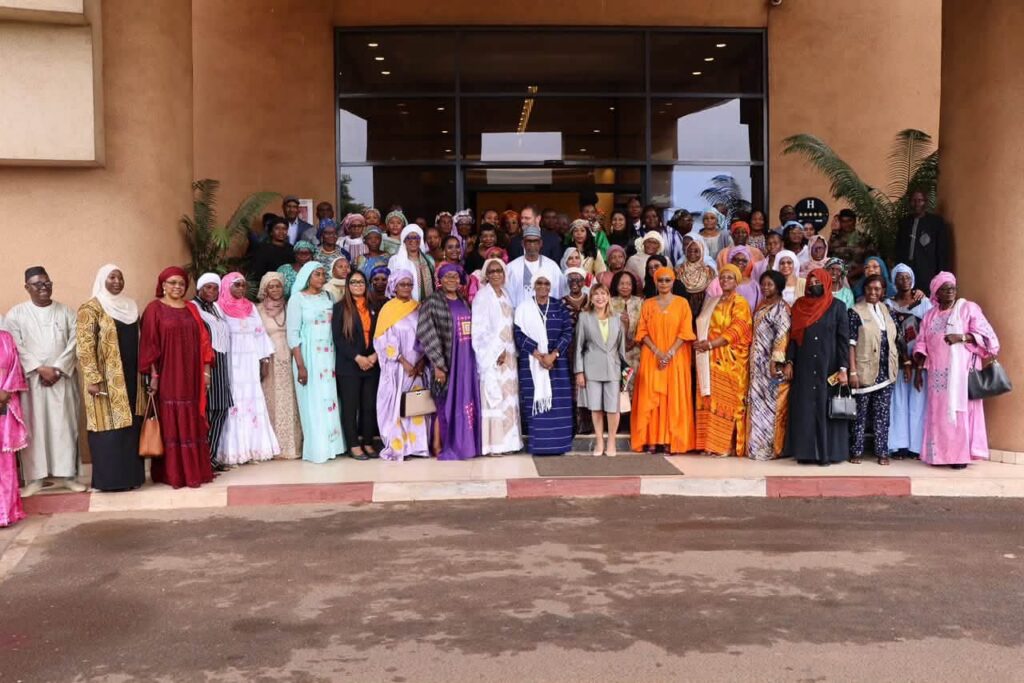
As reported by the ECOWAS Commission’s official communication channels, the ECOWAS Centre for Gender Development (ECGDD), in collaboration with UN Women and other specialized agencies working on the Water-Energy-Food Nexus, convened a validation meeting from May 15 to 16, 2026, in Abidjan, Côte d’Ivoire. The meeting’s primary outcome was the endorsement of a new Integrated Regional Programme on Gender, Climate Change, and the Green Economy.
The programme is designed to strengthen and expand regional efforts addressing Member State priorities while supporting the implementation and financing of the ECOWAS Action Plan on Gender and Climate Change. The meeting brought together senior officials including the Commissioner for Economic Affairs and Agriculture of the ECOWAS Commission, Dr. Kalilou Sylla; the Director of the CCDG, Ms. Sandra OULATÉ FATTOH; and the UN Women Resident Representative in Côte d’Ivoire, Ms. Adjaratou Fatou Ndiaye. A follow-up working session is scheduled for June 29 to July 6, 2026, in Lomé, Togo, to validate the final project document and roadmap.
“Investing in women and supporting their leadership in the green economy means investing in more resilient communities, more sustainable growth, and a better future for West Africa.” – Dr. Namizata BINATÉ, representing the Minister of Women, Family, and Children.
WANA Regional Analysis
The endorsement of this integrated regional programme marks a significant inflection point for ECOWAS, moving beyond the declaratory phase of gender and climate policy into a structured, financed, and implementable framework. From a regional governance perspective, the programme’s explicit linkage of the Water-Energy-Food Nexus with gender integration signals a sophisticated understanding of the interconnected crises facing West Africa: food insecurity, energy poverty, water stress, and the disproportionate burden these place on women and girls.
Against this backdrop, the programme’s emphasis on the green economy as a vehicle for women’s economic empowerment is strategically astute. West Africa’s agricultural sector, which employs a majority of women, remains highly vulnerable to climate variability. By targeting sectors such as sustainable agriculture, renewable energy, agri-food processing, waste management, and green technologies, the programme seeks to convert climate vulnerability into economic opportunity. This approach aligns with broader ECOWAS priorities under the Vision 2050 and the regional climate strategy, but it also addresses a persistent gap: the translation of high-level commitments into tangible, gender-responsive outcomes at the community level.
The involvement of multiple ECOWAS specialized agencies—including the CCDG, CGRE, PPDU, and CEREEC—alongside the Directorate of the Environment, suggests a deliberate effort to break down institutional silos. Historically, West African regional programmes have struggled with coordination across sectors, leading to fragmented implementation. The integrated design of this programme, if executed with the proposed roadmap, could serve as a model for cross-sectoral governance within ECOWAS. The scheduled validation meeting in Lomé will be a critical test of whether the institutional roles, budget parameters, and intervention areas have been realistically defined.
From a diplomatic and financial perspective, the partnership with UN Women provides both technical credibility and potential access to international climate finance mechanisms, including the Green Climate Fund and the Global Environment Facility. The programme’s success will depend heavily on Member States’ willingness to allocate domestic resources and align national policies with the regional framework. Given the current fiscal constraints across many ECOWAS economies, the programme’s ability to mobilize external financing will be a key determinant of its impact.
The broader implications for the ECOWAS region suggest that this programme could reshape how gender is integrated into climate action and green growth strategies. If successful, it may influence the design of similar initiatives in other regional economic communities across Africa. However, the challenge remains substantial: moving from a validated document to field-level change requires sustained political will, robust monitoring mechanisms, and genuine community engagement—particularly with rural women who are often the most affected by climate shocks yet the least represented in policy processes.
Regional Backdrop
The ECOWAS Action Plan on Gender and Climate Change, which this programme supports, was itself the product of years of advocacy by women’s rights organizations and gender-sensitive policymakers. West Africa has one of the highest rates of gender inequality globally, compounded by climate-induced displacement, land degradation, and energy deficits. Previous regional initiatives, such as the ECOWAS Renewable Energy Policy and the Regional Climate Strategy, have often lacked explicit gender-responsive budgeting and implementation frameworks. This programme represents an attempt to correct that oversight by embedding gender analysis into every stage of the project cycle.
Historically, West African governments have struggled to integrate gender into economic and environmental policy due to institutional capacity gaps, cultural barriers, and insufficient data disaggregation. The programme’s focus on the Water-Energy-Food Nexus is particularly relevant given that women in the region are primarily responsible for water collection, food production, and household energy provision. Any intervention that improves access to clean energy, water-efficient agriculture, or sustainable food systems directly enhances women’s productivity, health, and decision-making power.
Original Reporting By:
ECOWAS Commission

Comments