







Mali’s Transport Workers Secure Historic Social Protections Following Government Agreement
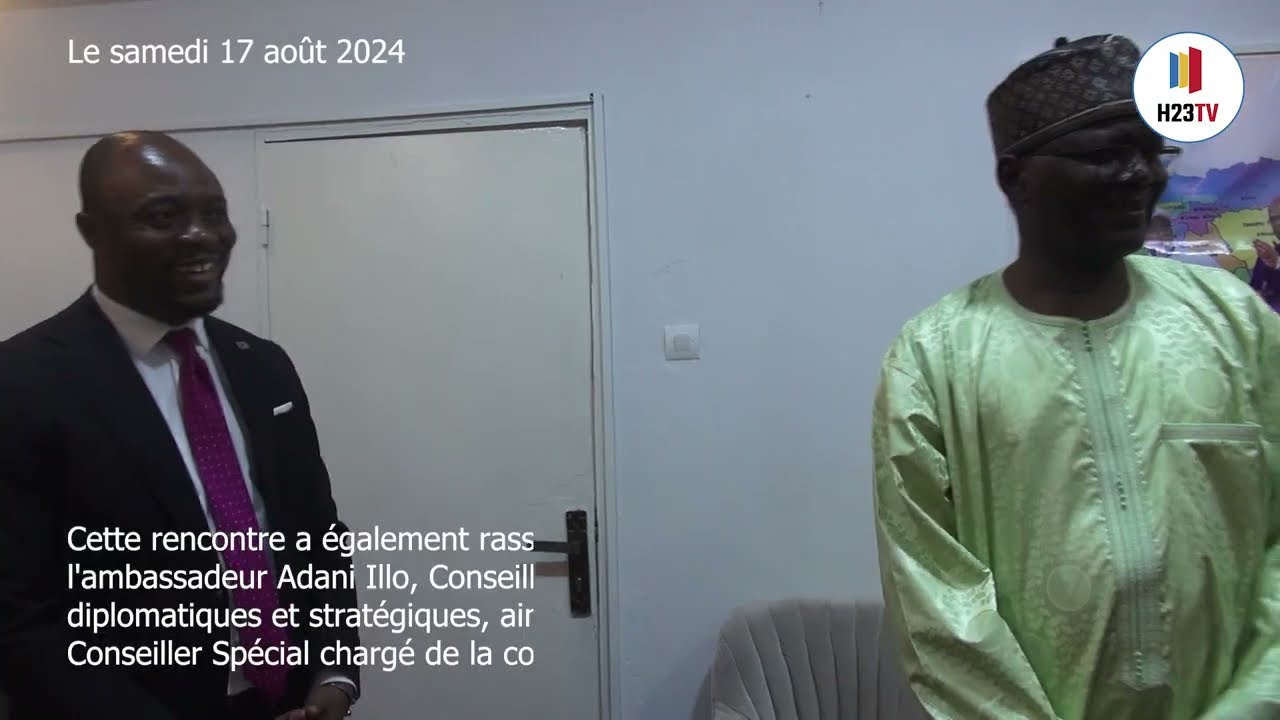
BAMAKO – In a landmark move addressing longstanding vulnerabilities, Mali’s transport unions have secured comprehensive social protections for drivers and their families through a newly signed agreement protocol with the transitional government.
[[AICM_MEDIA_1]]
Beyond Recognition: Tangible Protections for High-Risk Profession
The agreement, signed this Thursday, represents a significant policy shift for a profession operating on Mali’s increasingly dangerous road networks. The protocol establishes concrete measures including financial and medical support for drivers injured in terrorist attacks and educational assistance for children of drivers killed while working.
“This has been a joyous occasion for the transport sector,” stated Ichaka Diakité of the National Union of Road, Urban, Interurban and International Transporters of Mali, in comments following the signing. “This agreement now covers medical expenses for drivers, transporters, their orphaned children, as well as drivers killed during attacks.”
Formalizing Economic Backbone
Beyond immediate crisis support, the agreement addresses systemic gaps in Mali’s informal transport economy. Key provisions include registering drivers with the National Social Security Institute (INPS) and mandatory health insurance (AMO), effectively bringing thousands of workers into the formal social protection system for the first time.
The development of a sector-specific collective bargaining agreement further signals the government’s recognition of road transport’s crucial role in maintaining both energy supplies and economic activity amid security challenges.
[[AICM_MEDIA_2]]
From Tension to Dialogue
The breakthrough follows threatened work stoppages by drivers after a series of attacks specifically targeting tanker truck drivers. These incidents highlighted the extreme risks faced by those transporting essential fuel supplies across insecure regions.
Union representatives praised what they characterized as the government’s “responsive and responsible” approach to the negotiations. Diakité noted that “the state has learned a great deal and we can only thank the transitional government” for its engagement.
Immediate Implementation Signals Commitment
Unlike many agreements that face implementation delays, union officials report immediate action. “Implementation will be immediate,” Diakité confirmed. “From the moment of signing, the first measures were taken. Even today, our representatives are at the tables organizing the rollout.”
This rapid deployment suggests the government’s strategic interest in maintaining stable fuel distribution networks and recognizing the transport sector’s contribution to national security and economic continuity during Mali’s ongoing transition period.
This report was developed using information from Bamada.net as its primary source.