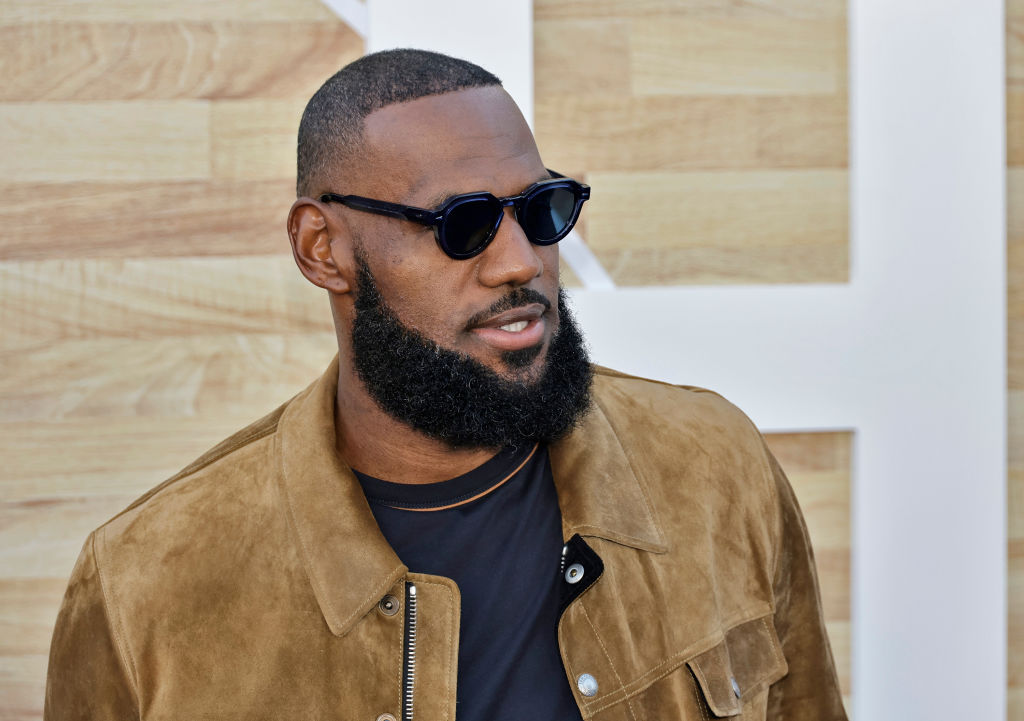







When LeBron James invested $6.5 million in Liverpool Football Club in 2011, the move was largely viewed through the lens of a celebrity endorsement. More than a decade later, that same stake has grown into a nine-figure asset, offering a compelling example of how strategic equity ownership can create wealth far beyond salary earnings. This article examines the details of that investment, the operational turnaround at Liverpool that drove its value, and the broader lessons for Black entrepreneurs and investors.
From Player to Partner: The Evolution of a $6.5 Million Bet
In 2011, James was in the first year of a six-year, $109 million contract with the Miami Heat. At the time, his purchase of a 2% minority stake in Liverpool FC was seen by many in the sports media as a unique endorsement arrangement, according to the original report by Edwian Stokes. The investment was not an immediate cash generator; it was a long-term bet on the club’s future under Fenway Sports Group (FSG), which had acquired Liverpool the previous year.
That bet has paid off handsomely. As reported by SportsBible, James’ initial investment has generated a return of approximately 1,567%, with his equity now valued at around $100 million. The turning point came in 2021, when James, now 41, converted his 2% direct stake in Liverpool FC into a 1% ownership stake in FSG, the club’s parent company. This restructuring allowed him to benefit from the growth of the entire FSG portfolio, not just one club.
The FSG Portfolio: A Diversified Sports Empire
FSG’s valuation has risen substantially, driven by a diverse set of sports assets. Forbes estimates the group’s total value at $12.95 billion, supported by holdings that include the Boston Red Sox, the Pittsburgh Penguins, the New England Sports Network, and Liverpool FC. Liverpool itself is valued at between $5.4 billion and $6.2 billion, which places James’ 1% FSG stake in the range of $100 million to $129.5 million.
This growth is particularly notable when compared to James’ NBA earnings. Over his 23-year career, he has earned more than $1 billion in salary, most recently signing a contract with the Philadelphia 76ers. Yet the Liverpool investment demonstrates that equity ownership can generate wealth that outpaces even the most lucrative player contracts.
Operational Discipline: The Engine Behind the Value
Liverpool’s financial success was not accidental. When FSG, led by principal owner John Henry, acquired the club in 2010, Liverpool was struggling with inconsistent performance and financial instability. According to Liverpool FC financial statements, the ownership implemented a turnaround strategy centered on analytics-driven decisions, strict budgeting, and focused investments. The hiring of Jürgen Klopp and a data-focused recruitment approach led to nine major trophies in seven years, all while keeping net transfer spending to about $55 million per year.
This on-field success translated into commercial growth. Sports Illustrated reports that Liverpool’s international digital following grew by 40 million, and the club generated $719 million in annual revenue with $102 million in operating income in 2024. James also played a role in this expansion: in 2020, FSG secured a five-year apparel deal with Nike, a company with which James already had a lifetime partnership.
A Conservative Financial Model
Liverpool’s balance sheet reflects a level of fiscal discipline that is uncommon in European football. The club maintains a low debt-to-value ratio of just 3%, a conservative approach that protects asset value during periods of financial volatility. For Black-owned businesses navigating challenging capital markets, this model offers a key lesson: sustainable growth often comes from disciplined financial management rather than aggressive leverage.
While sports franchises are inherently illiquid and valued on projections rather than immediate cash flow, James’ position within FSG places him among the top global sports leaders. His journey from high-earning athlete to equity partner is a shift that has historically been rare for Black athletes, who have long generated significant revenue for brands, universities, and leagues without securing long-term ownership stakes.
Implications for Black Entrepreneurs and Investors
James’ experience with FSG provides a blueprint for financial empowerment. The key takeaway, as outlined in the original analysis by Edwian Stokes, is that lasting wealth comes not from high salaries alone, but from acquiring, growing, and retaining institutional equity. For Black entrepreneurs and investors, this case underscores the importance of seeking ownership opportunities, even when they require patience and a long-term horizon.
James’ investment also supports his broader ambition to become a majority owner of an NBA expansion franchise. By converting his Liverpool stake into FSG equity, he has positioned himself not just as a wealthy athlete, but as a serious player in the business of sports.
Looking Ahead
As of August 2026, James’ Liverpool investment stands as a landmark example of strategic equity ownership. It demonstrates that a relatively modest investment, when paired with strong operational management and a patient outlook, can yield outsized returns. For the next generation of Black athletes and entrepreneurs, the lesson is clear: the path to lasting financial empowerment often runs through ownership, not just endorsement.
A Masterclass in Equity and Portfolio Diversification
Strategic Synergies and Operational Excellence
The Broader Impact on Black Ownership in Sports