










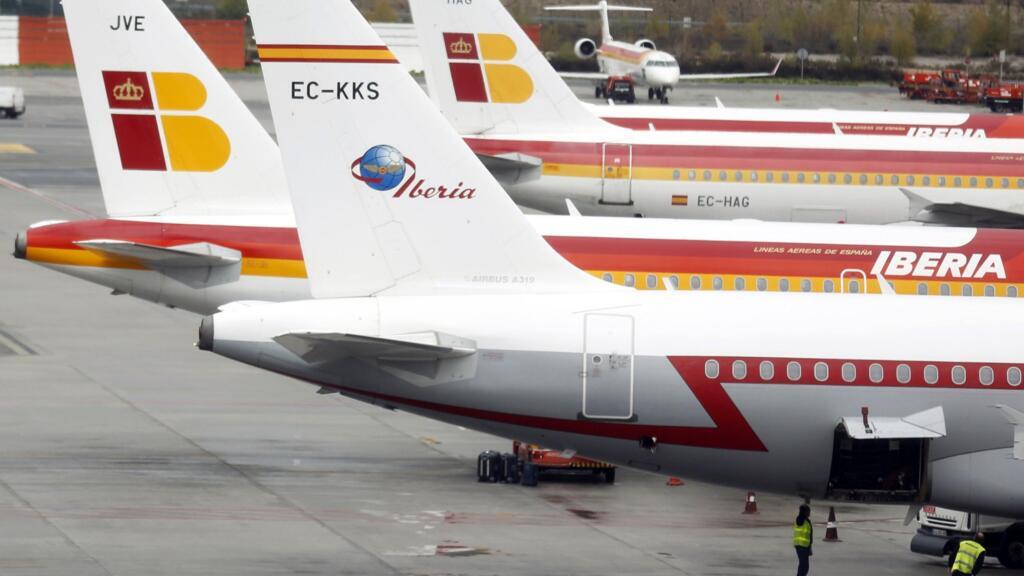
In a decisive move that underscores the deepening geopolitical rift with the United States, the Venezuelan government has formally revoked the operating licenses of six major international airlines. This action, framed by Caracas as a necessary assertion of national sovereignty, follows a contentious 48-hour ultimatum demanding carriers resume flights to the country despite an active U.S. security advisory.
The affected airlines had previously suspended their services to Venezuela, a decision largely influenced by a security alert issued by the U.S. State Department. This alert warned of potential threats to aviation and the safety of passengers and crew. From the perspective of the airlines, halting operations was a standard risk-management procedure to protect assets and comply with the guidance of a major aviation authority.
However, the Venezuelan administration, led by Nicolás Maduro, interpreted these suspensions not as safety precautions but as acts of economic and political coercion orchestrated by Washington. The subsequent 48-hour ultimatum to resume flights or face consequences was a bold gambit, forcing carriers to choose between defying a U.S. security warning or losing access to the Venezuelan market. The airlines’ failure to comply resulted in the permanent revocation of their operating rights.
This escalation is not an isolated incident but the latest development in a long-standing confrontation. The United States has maintained a robust sanctions regime against Venezuela for years, targeting its oil industry and government officials in an effort to pressure political change. The aviation sector has become a new frontline in this conflict. For Venezuela, controlling its airspace is a matter of national pride and economic necessity; the departure of international carriers isolates the country and strangles a vital artery for business and tourism. For the airlines, the situation presents an impossible dilemma, caught between the directives of one global power and the demands of another.
The practical consequences are severe for the Venezuelan populace. With fewer international flight options, connectivity with the rest of the world diminishes dramatically. This leads to exorbitant ticket prices on remaining routes, increased travel times due to layovers, and greater difficulty for the Venezuelan diaspora to visit family. It also further cripples the nation’s already struggling tourism industry and complicates the import of essential goods, which often rely on air cargo services. This move risks turning Venezuela into an even more isolated aviation enclave, with long-term economic and social repercussions that will far outlast the current political standoff. Source link