








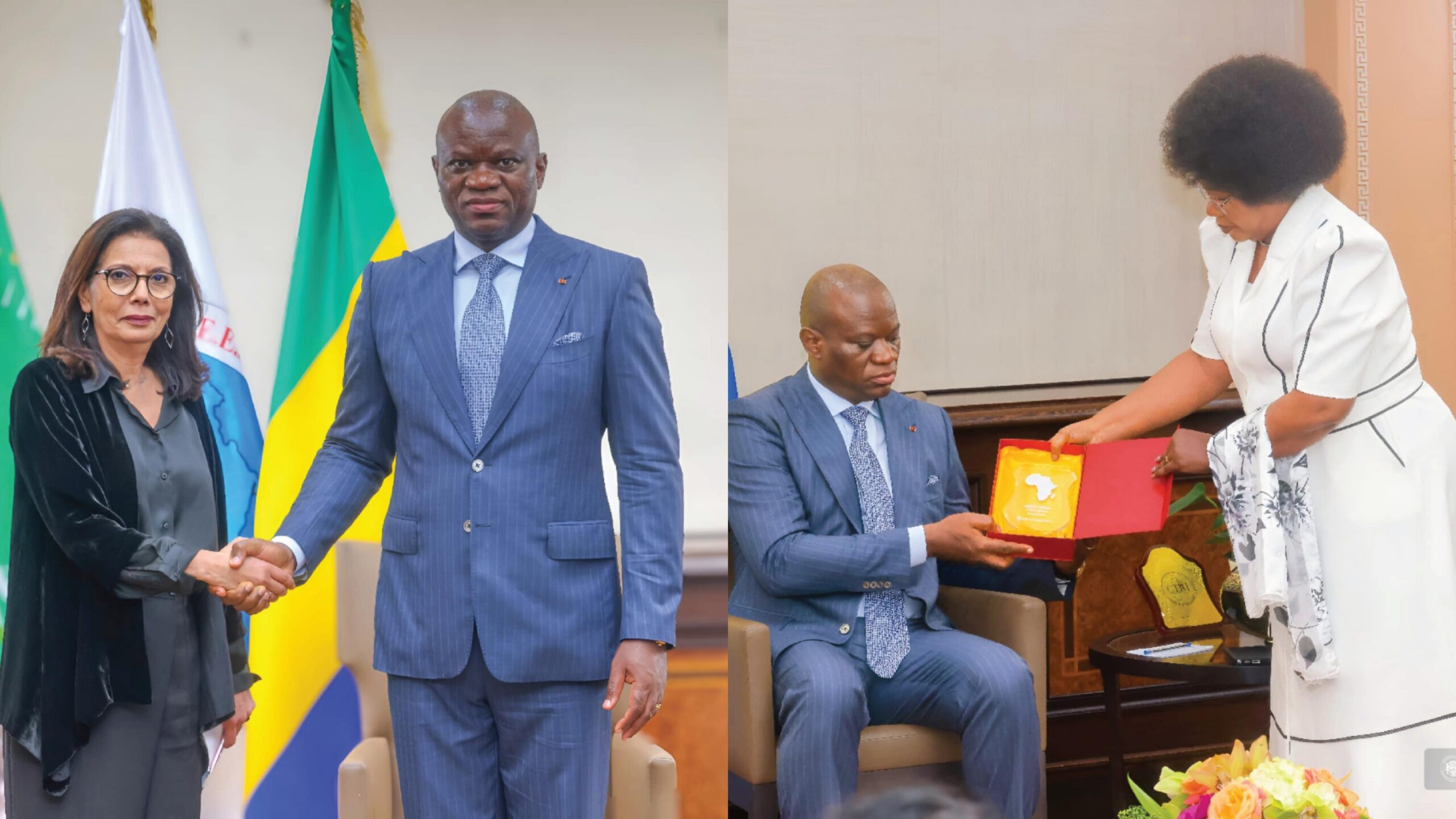
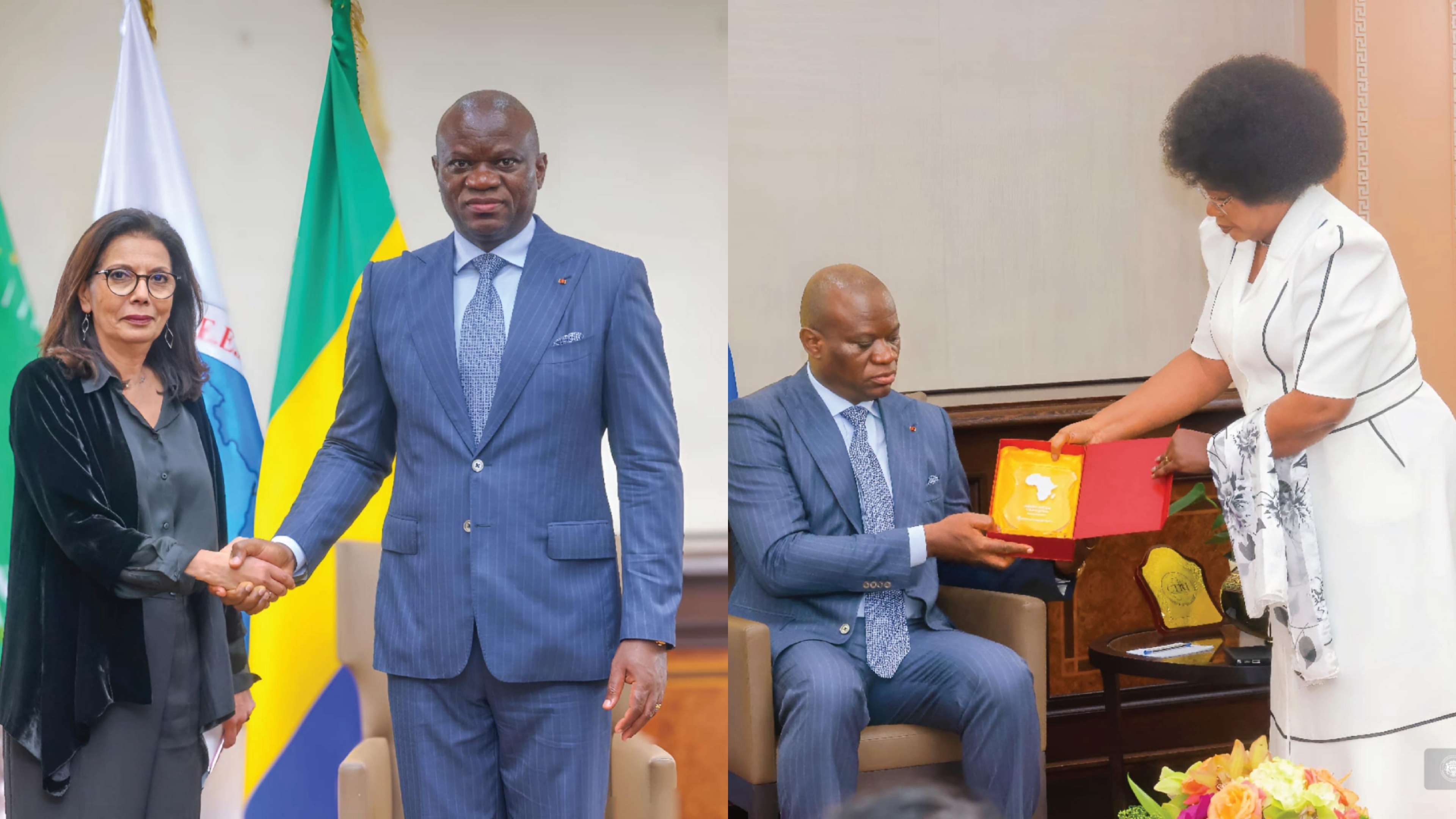
In a significant move to bolster its child protection framework, President Brice Clotaire Oligui Nguema convened with senior United Nations officials in Libreville on December 3, 2025. The high-level delegation, led by Dr. Najat Maalla M’jid—the UN Secretary-General’s Special Representative on Violence against Children—signals a deepening commitment to translating international pledges into tangible national action. The presence of the Minister of Women, Family, and Child Protection underscores the cross-governmental approach required for this critical mission.
The discussions moved beyond generalities to target four interconnected pillars of a robust child protection system:
- Preventing Violence: This involves shifting from reactive measures to proactive, community-based strategies. Examples could include nationwide parenting programs, school curricula on respectful relationships, and public awareness campaigns to change social norms that tolerate corporal punishment or exploitation.
- Ensuring Access to Essential Services: A child’s right to health, education, and social protection must be unconditional. The talks likely addressed removing barriers for the most vulnerable—such as children in remote areas, those with disabilities, or those living in poverty—to guarantee they can reach and benefit from these services.
- Providing Psychosocial Support: Trauma from violence has long-lasting effects. Effective support requires trained professionals in schools, health centers, and communities to help children heal and rebuild resilience, which is fundamental to breaking cycles of violence.
- Implementing Protective Systems: This is the operational backbone. It refers to strengthening child helplines, social work forces, case management protocols, and data collection systems to identify, report, refer, and track cases of abuse or neglect efficiently and confidentially.
Gabon’s commitment is formalized through its membership in the Alliance of Pathfinder Countries. This is not merely a symbolic title. As a Pathfinder, Gabon commits to an accelerated, data-driven roadmap to end violence against children. It obligates the country to set clear, time-bound targets, invest dedicated resources, and regularly report on progress, leveraging proven strategies from a global network of nations. This membership provides Gabon with technical expertise and peer accountability, moving child protection from a peripheral social issue to a central indicator of national development.
President Oligui Nguema positioned this work as an investment in Gabon’s most vital resource: its human capital. He argued that a nation’s future prosperity and stability are directly linked to the well-being of its youngest citizens. Therefore, the upcoming reforms are not standalone social projects but are integrated into the broader vision for a more equitable and resilient Gabon. The planned cross-ministerial coordination between Health, Education, Family, Justice, and Youth is crucial. For instance, a child identified as a victim at a health clinic must be seamlessly supported by social services, have their educational continuity ensured, and have access to child-friendly justice processes if needed. This silo-breaking approach is what transforms well-intentioned policies into real-world protection.
Tangible initiatives are already underway, such as creating educational, sports, and recreational spaces. These are not just amenities; they are strategic prevention tools. Safe, inclusive spaces provide positive alternatives for youth, reduce idleness and risk exposure, foster social cohesion, and can serve as entry points for outreach and support services. Scaling these from Greater Libreville to a national level will be a key test of the partnership’s reach.
The strengthened UN-Gabon partnership in the coming months will be judged by its ability to move from dialogue to implementation. Success will depend on sustained budget allocations, capacity building for frontline workers, robust monitoring, and, most importantly, the active participation of children and communities in shaping the solutions meant to protect them. This alliance represents a pivotal opportunity to build a protective environment where every Gabonese child can not only be safe from harm but can also thrive and contribute to the nation’s future.
Source: Presidential Communication, supplemented with context on international frameworks and child protection systems.