










A Community in Mourning: Six Siblings Lost in Plateau Fire and the Critical Lessons in Home Safety
A devastating late-night fire in Mangu, Plateau State, has resulted in an unimaginable tragedy, claiming the lives of six siblings and leaving a family and community shattered. This incident underscores the sudden and catastrophic nature of residential fires and highlights urgent questions about home safety preparedness.
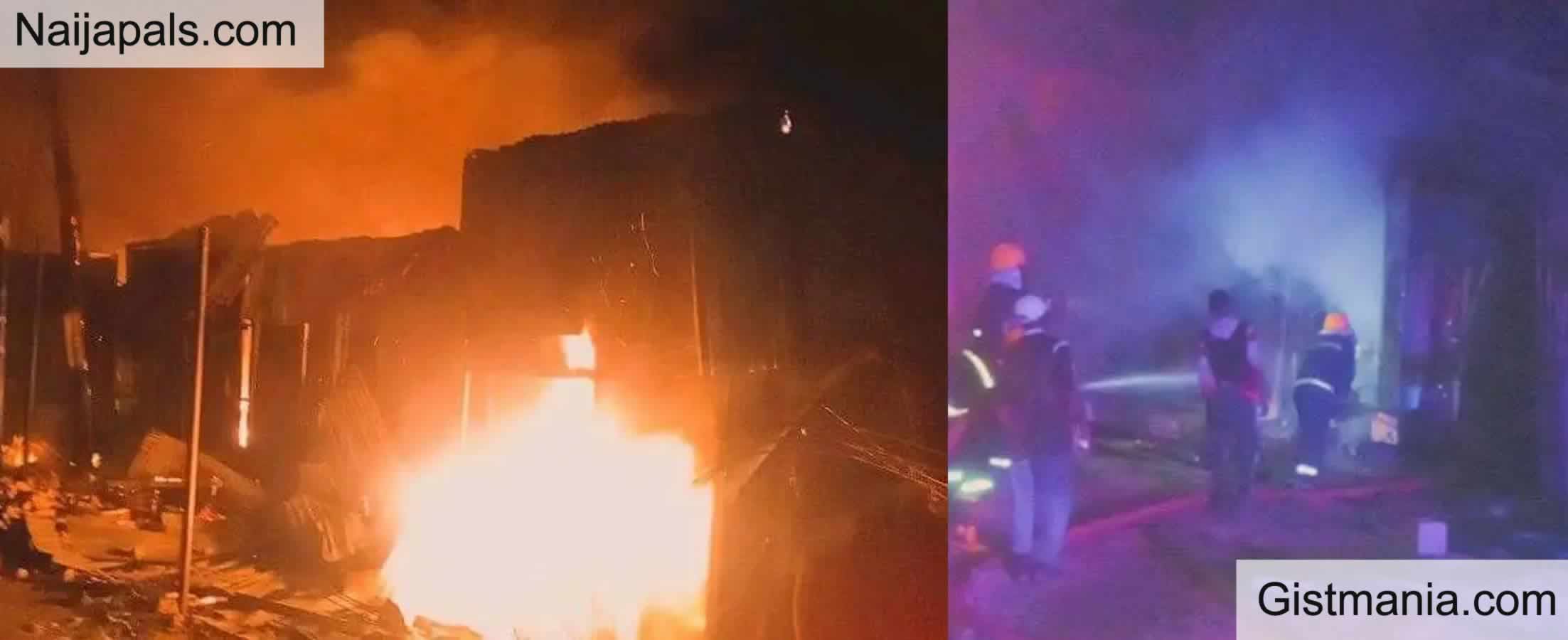
The Tragic Incident: A Timeline of Events
The fire broke out in the early hours of Thursday in the Old Mangu Market area. According to family member Umar Babangida, the mother and her nine children had been watching television until around 11 p.m. After three of the older male children went to sleep, the mother remained with the six younger ones, aged between four months and 12 years.
The fire ignited around 2 a.m., engulfing the home while the family slept. The children’s mother sustained severe burns in a desperate, yet unsuccessful, attempt to rescue her children from the inferno. She is currently receiving treatment for her injuries at Allah Nakowa Hospital in Mangu.
Unanswered Questions and Potential Causes
As with many sudden fires, the exact cause remains undetermined. Family members confirmed there was a power supply to the house before bedtime, which opens several lines of inquiry for investigators. Common causes in such scenarios can include electrical faults from overloaded circuits, faulty wiring, or malfunctioning appliances; an unattended candle or mosquito coil; or a cooking gas leak that ignited. Without a functioning smoke alarm to provide an early warning, the family was likely unaware of the danger until it was too late to escape.
Community and Government Response: A Ray of Solidarity
In the face of profound grief, the response from the Mangu community and government officials offered a measure of solace. Governor Caleb Mutfwang and the local government chairman visited the bereaved family to offer condolences. The governor urged the family to find strength and promised government support to help rebuild the destroyed home, a crucial step in the long recovery process.
Perhaps most poignant was the show of communal solidarity. As recounted by the family, residents from both Muslim and Christian faiths rushed to the scene to assist in whatever way they could during the rescue efforts. This unity in tragedy is a powerful testament to the shared humanity within the community.
Transforming Tragedy into Prevention: Essential Home Fire Safety Tips
While nothing can undo this loss, we can honor the memory of those lost by reinforcing vital fire safety knowledge to protect other families.
1. Install and Maintain Smoke Alarms
This is the single most important step. Smoke alarms provide the critical early warning needed to escape. Install them on every level of your home, inside and outside sleeping areas. Test them monthly and replace batteries at least once a year.
2. Create and Practice a Fire Escape Plan
Every second counts. Your family should have a practiced escape plan that includes two ways out of every room (usually a door and a window). Designate a safe meeting spot outside the home. Practice this plan twice a year with all household members.
3. Be Vigilant with Potential Ignition Sources
Never leave cooking unattended. Have electrical installations checked by a qualified professional, especially in older homes. Avoid overloading sockets. Keep candles, mosquito coils, and generators away from curtains, bedding, and flammable materials.
4. Close Doors Before Sleeping
A simple closed door can be a significant barrier against smoke and fire, potentially creating a survivable space and slowing the spread, buying precious time for rescue.
The loss of these six young lives in Plateau State is a heartbreaking reminder of the fragility of life and the destructive power of fire. It compels us to look beyond the headlines and take proactive, actionable steps to safeguard our own homes and loved ones. Our deepest condolences go to the family and the entire Mangu community.