









New INEC Chairman Amupitan’s Integrity Faces Immediate Test Against Entrenched Political ‘Principalities’
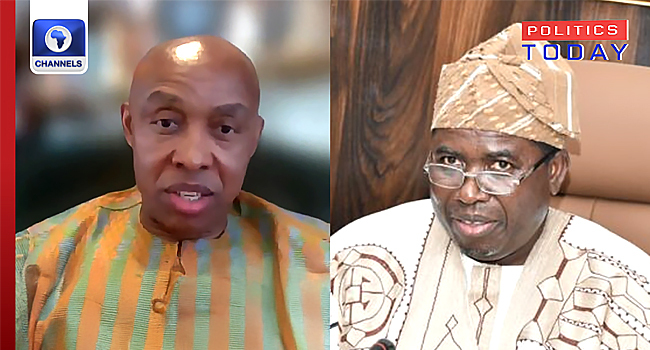
Nigeria’s newly appointed Chairman of the Independent National Electoral Commission (INEC), Professor Joash Amupitan, assumes leadership of the nation’s electoral body at a critical juncture, facing what human rights expert Professor Chidi Odinkalu describes as “multiple principalities”—deeply entrenched political interests that could challenge even the most principled leadership.
A System Under Siege: The ‘Principalities’ Problem
According to analysis from Professor Chidi Odinkalu, former chairman of the National Human Rights Commission, the fundamental challenge facing Amupitan isn’t merely administrative but structural. The term “multiple principalities” refers to the extensive network of political plants and interests that have become embedded within INEC’s operations.
“There is no senior politician, from the presidency to state governors, who does not have a plant in INEC,” Odinkalu revealed during an appearance on Channels Television’s Politics Today. This systemic vulnerability represents what many governance experts identify as institutional capture—where formal institutions become subordinate to informal political interests.
The Anambra Crucible: A Two-Week Test of Leadership
The timing presents an extraordinary pressure test for the new chairman. With the Anambra State governorship election scheduled for November 8, Amupitan has barely two weeks to establish command over an institution described as compromised while overseeing a high-stakes electoral process.
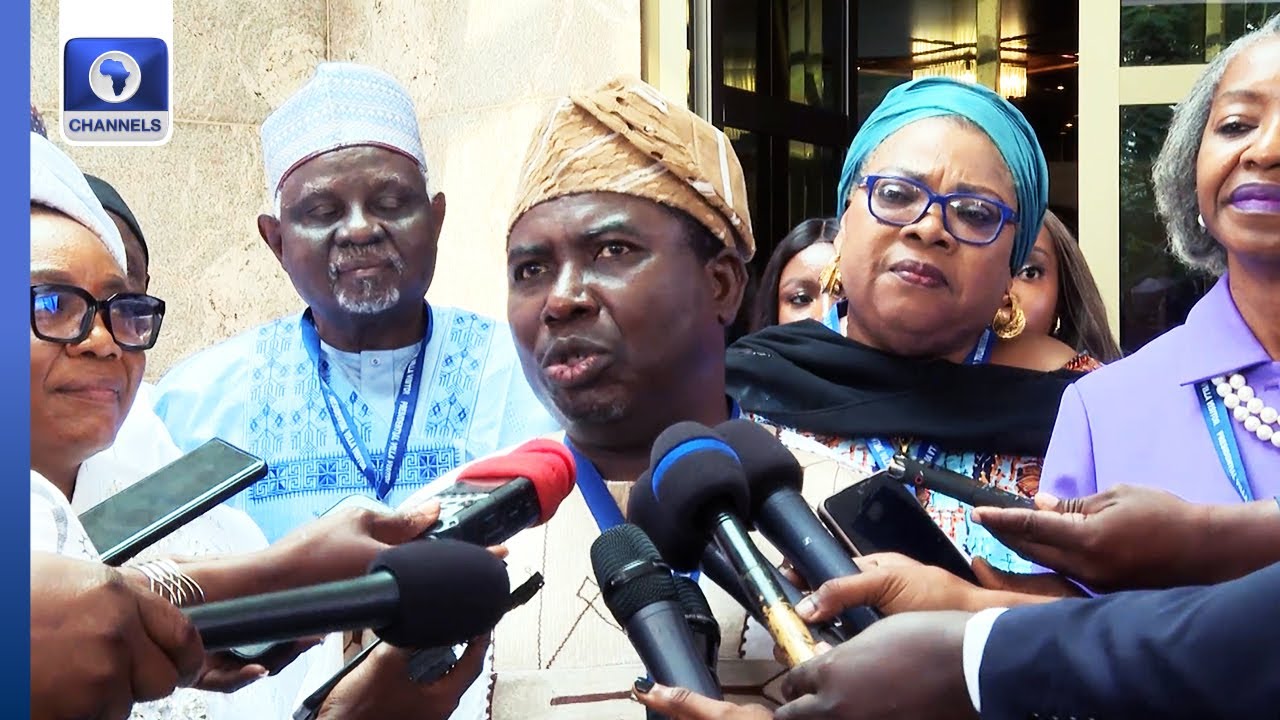
Odinkalu emphasized the significance of this immediate challenge: “People are not going to be giving him any free passes. He’s not going to have a break, it seems to me, and so people are going to see how he addresses Anambra State and then use that as a basis going towards Ekiti State and then Osun State.”
Electoral Laboratories: Testing Ground for 2027
Political analysts are viewing the upcoming trio of state elections—Anambra, Ekiti, and Osun—as crucial indicators of Nigeria’s democratic trajectory. These contests will serve as what Odinkalu terms “electoral laboratories” that will provide the first substantive evidence of whether meaningful reform is possible under the new leadership.
The outcome carries significance beyond state-level politics. A transparent process could begin restoring public trust in Nigeria’s electoral system, while further controversies would confirm existing suspicions about institutional capture and potentially undermine confidence in the 2027 general elections.
The Integrity Paradox in Nigerian Governance
Odinkalu’s analysis highlights a recurring dilemma in Nigerian public administration: the tension between individual integrity and systemic corruption. His personal endorsement of Amupitan’s character—”Joash is what he said he is”—contrasts sharply with his warning about institutional challenges.
This dynamic raises fundamental questions about governance reform in contexts where political interests have become structurally embedded. Can individual virtue overcome systemic corruption, or does system change require more than ethical leadership alone?
President Bola Tinubu’s charge to the new INEC chairman to “protect the integrity of Nigeria’s elections and electoral process” acknowledges the critical role that electoral credibility plays in the nation’s democratic stability. How Amupitan navigates these competing pressures in his first weeks will provide early indicators of his reform capacity.
Primary Source: Channels Television