









In a move that fundamentally reframes the nation’s approach to the opioid crisis, former President Donald Trump signed an executive order designating illicit fentanyl as a weapon of mass destruction (WMD). This unprecedented action shifts the deadly synthetic opioid from the realm of public health and law enforcement into the strategic domain of national security and counter-terrorism, unleashing a new arsenal of tools and authorities to combat its flow.
The executive order, signed on Monday, directs the Pentagon and the Department of Justice to take expanded action against the global networks responsible for the production and distribution of fentanyl and its chemical precursors. By framing fentanyl not merely as a narcotic but as a potential chemical weapon, the order warns that the substance could be weaponized for “concentrated, large-scale terror attacks by organized adversaries.” This designation is not symbolic; it carries significant operational weight. It authorizes the Department of Defense to support Justice Department investigations and enforcement actions using military assets—a level of interagency cooperation typically reserved for threats like terrorism or foreign espionage. Federal prosecutors are now expected to pursue significantly tougher penalties for fentanyl-related offenses, potentially invoking statutes with mandatory minimum sentences designed for WMD crimes.
The timing of this order is critical, coming amid stated plans to expand U.S. campaigns against suspected drug traffickers in South America. This follows more than 20 kinetic strikes targeting vessels in the Caribbean and eastern Pacific, signaling a more aggressive, militarized posture. The order provides a legal and doctrinal framework for such actions, classifying the cartels and their chemical supply chains as national security threats comparable to hostile state actors.
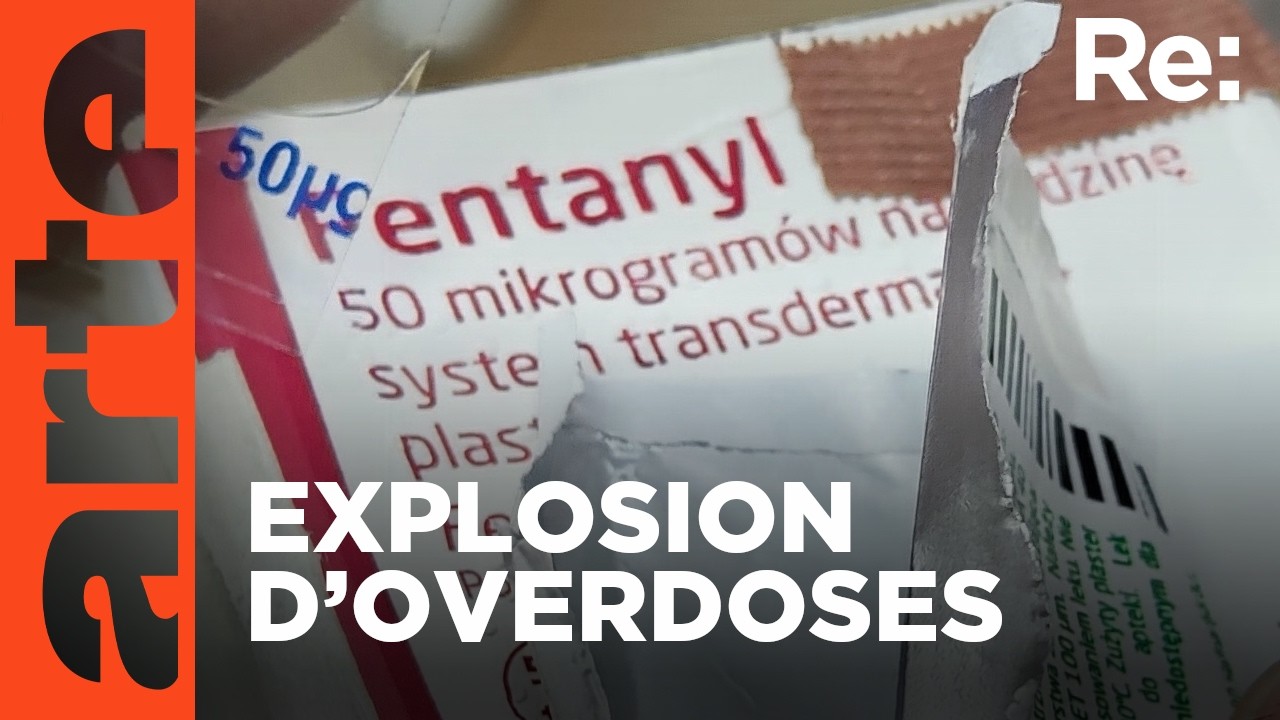
To understand the scale of the threat, one must look at the data. Fentanyl overdose is the leading cause of death for Americans aged 18 to 45. In 2023 alone, the U.S. recorded over 107,000 drug overdose deaths, with nearly 70% linked to synthetic opioids like fentanyl. As President Trump stated, “No bomb does what this has done. 200,000 to 300,000 people die every year, that we know of.” The lethality of fentanyl is staggering: it is up to 50 times more potent than heroin and 100 times more potent than morphine. A dose as small as two milligrams—equivalent to a few grains of salt—can be fatal. This extreme potency makes it ideal for smuggling in minute quantities but also creates a high risk of accidental overdose, turning every street-level transaction into a potential death sentence.
The executive order specifically defines “illicit fentanyl” as that which is “manufactured, distributed, dispensed or possessed in violation of the Controlled Substances Act,” explicitly excluding pharmaceutical fentanyl used legally in medical settings for pain management. This distinction is crucial to prevent disruption to legitimate healthcare while targeting the illicit supply chain.
That supply chain is global and sophisticated. According to U.S. authorities, most fentanyl entering the United States is synthesized in clandestine labs in Mexico using precursor chemicals largely imported from China and India. These precursors are often legally produced industrial chemicals, which are then diverted, disguised, and shipped to cartels who manufacture the final product. The finished fentanyl is then smuggled across U.S. ports of entry, primarily hidden in commercial vehicles or mailed in small packages, exploiting the volume of legitimate cross-border traffic.
The legal basis for the WMD designation hinges on the FBI’s definition, which includes any “weapon that is designed to cause death or serious injury through toxic or poisonous chemical.” While fentanyl was not “designed” as a weapon in the traditional sense, its deployment by cartels—who are often indifferent to the specific lethal dosage in their products—and its potential for deliberate weaponization by bad actors meets this criterion. Lawmakers in Congress have previously pushed for this classification, arguing that the scale of death and the intent of the cartels to undermine American society constitute a form of chemical warfare.
The implications of this reclassification are profound. It allows for:
* **Enhanced Intelligence Sharing:** Classifying fentanyl networks as WMD threats facilitates intelligence sharing between civilian law enforcement agencies (like the DEA and FBI) and military intelligence agencies (like the Defense Intelligence Agency).
* **Military Resource Deployment:** It provides clearer authority for using U.S. military surveillance, reconnaissance, and logistical support to track and disrupt trafficking operations overseas.
* **Financial Sanctions:** It enables the use of powerful financial tools typically reserved for state sponsors of terrorism to freeze the assets of chemical suppliers, money launderers, and cartel leaders.
* **Diplomatic Pressure:** It elevates fentanyl trafficking to a top-tier issue in diplomatic relations, particularly with China and Mexico, potentially justifying sanctions or other coercive measures if cooperation is deemed insufficient.
This strategic pivot represents a dramatic escalation in the long-running war on drugs, treating the epidemic not as a series of criminal acts but as a sustained, foreign-sourced attack on the American populace. It acknowledges that the tools of traditional narcotics enforcement have been insufficient to stem the tide of a substance that is cheaper, deadlier, and easier to traffic in lethal quantities than any drug before it. The coming months will reveal whether this new paradigm of treating fentanyl as a weapon of mass destruction can achieve what decades of drug policy have not: the decisive disruption of the supply chain responsible for America’s most devastating public health crisis.