









REFORMS OVERVIEW: DECODING TOGO’S STRATEGIC TRANSFORMATION
Togo’s ascent in global business rankings is not accidental; it is the result of a deliberate, multi-year strategy embedded within its National Development Plan (NDP). This overview moves beyond the scores to explain the *why* and *how* behind the reforms, providing context on their interconnected nature and tangible benefits for investors and local entrepreneurs alike.
STARTING A BUSINESS (more info)
Ranking 15th globally and 1st in Africa for “Starting a Business” (2020 Doing Business) is a monumental achievement. This is underpinned by a radical simplification of procedures, often through a centralized digital one-stop-shop. The deeper value lies in what this represents: a shift in bureaucratic mindset from gatekeeper to facilitator. For an entrepreneur, this translates to reduced time-to-market, lower initial compliance costs, and a clear signal that the state supports new venture creation. The “reformative dynamics” are sustained through continuous feedback loops with the private sector, ensuring processes remain efficient.
ENFORCING CONTRACTS & CONTRACT EXECUTION (more info)
A robust contract enforcement framework is the bedrock of commercial trust. Togo’s leap in this indicator addresses a critical pain point. The creation of specialized commercial courts in Lomé and Kara, along with chambers for small debts, signifies a move towards expertise and efficiency. The 100-day maximum for settling disputes is a bold, quantifiable commitment. Crucially, the digitization via the FORSETI COMMERCIAL platform for lawyers and bailiffs isn’t just about speed; it’s about transparency and traceability, reducing opportunities for opaque delays and fostering predictability in the justice system for business matters.
TRADING ACROSS BORDERS (more info)
For a gateway economy like Togo, efficient cross-border trade is existential. Reforms here directly impact competitiveness and cost of living. Digitization of customs procedures (e.g., through the SYDONIA World system) and reduced physical inspections cut clearance times from days to hours. This is not merely a statistical improvement; it reduces spoilage for perishable goods, lowers logistics costs, and makes Togo’s ports more attractive for neighboring landlocked countries. The focus on both import *and* export procedures is key, supporting both domestic consumers and producers aiming for regional markets.
CONSTRUCTION PERMIT & GETTING ELECTRICITY (more info)
These two indicators are fundamentally about enabling physical business infrastructure. Streamlining construction permits accelerates investment in factories, warehouses, and commercial buildings. Parallel reforms in “Getting Electricity” ensure that once built, these facilities can be powered reliably. Togo’s improvements, such as standardized connection contracts and online applications with the utility CEET, reduce a major operational hurdle. The combined effect lowers the upfront cost and risk of establishing or expanding industrial and commercial operations, which is crucial for manufacturing and value-addition industries.
REGISTERING A PROPERTY (more info)
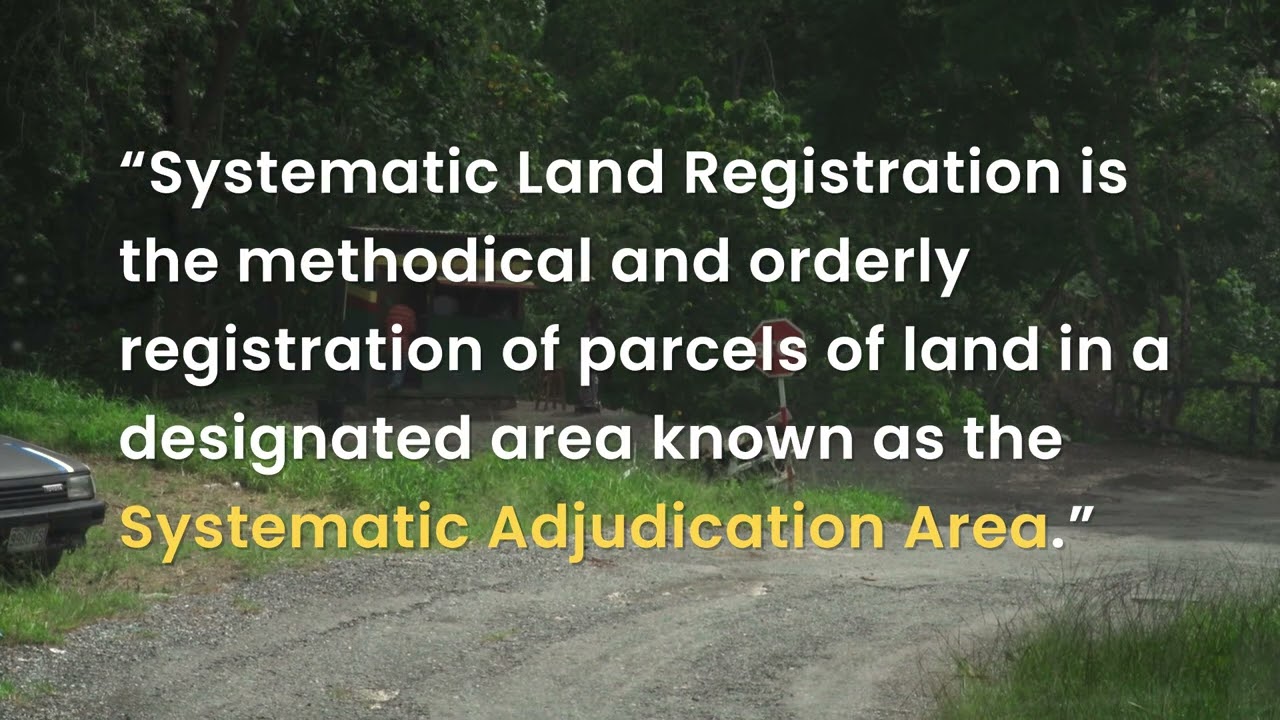
This is arguably one of the most transformative reform areas. Secure, unambiguous property rights are the foundation for using assets as collateral for loans, encouraging long-term investment in land, and reducing disputes. Togo’s dramatic climb from the bottom of the rankings towards benchmarking against Rwanda suggests a systematic overhaul of the land registry. Reforms likely include digitizing records, clarifying titling processes, and reducing the steps and time required. This unlocks capital for SMEs and provides security for large-scale agricultural and real estate investments.
PUBLIC PROCUREMENT (more info)
Modernizing public procurement is a direct channel for state resources to fuel private sector growth. Professionalization reduces favoritism, while digitization (via platforms like Togo Marchés Publics) increases transparency and accessibility for bidders nationwide. This creates a fairer, more competitive environment where contracts are awarded based on merit and value, allowing qualified local firms to grow and build capacity. It also improves the quality and cost-effectiveness of public projects, creating a virtuous cycle.
PAYING TAXES AND DUTIES (more info)
Tax reform is a delicate balance between revenue generation and competitiveness. Togo’s approach of simplifying the tax structure, eliminating nuisance taxes, and leveraging digitization (e.g., for e-filing and e-payment) serves both goals. It reduces the administrative burden and compliance costs for businesses, while also broadening the tax base and improving collection efficiency for the state. A predictable, streamlined tax regime is a major factor in investment decisions and daily business operations.
SYNERGIC IMPACT: The true power of these reforms is not in isolation but in their combination. A business can now be started quickly, secure a property title to use as collateral, access electricity for its facility, trade its goods efficiently across borders, and resolve any commercial disputes within a predictable timeframe—all under a clearer tax regime. This holistic improvement in the operating environment is what positions Togo as a serious and reforming investment destination in West Africa.