






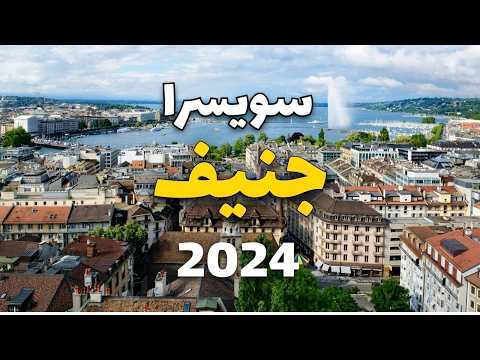
On Friday, Mauritania participated in the proceedings of the Minority Forum held in Geneva under the title: “The Contribution of Minorities to Building Diverse, Dynamic, and Peaceful Societies.”
Khadija Hamadi Arabi, an advisor at our embassy in Switzerland, stated in a speech on behalf of our country’s delegation participating in this forum, that Mauritania adheres to the values of diversity, inclusion, and national cohesion. She pointed out that our country, with its multiple cultures and languages, believes that the fair participation of all its components is a fundamental pillar for peace and development.
Mauritania’s Rich Cultural Tapestry
Mauritania’s commitment to diversity is rooted in its unique demographic composition. The nation represents a confluence of Arab-Berber (Bidhan), Halpulaar, Soninke, and Wolof communities, each contributing distinct linguistic, cultural, and social traditions. This ethnic mosaic creates both opportunities for cultural enrichment and challenges for national integration that the government seeks to address through its policies.
Comprehensive Reform Agenda
The state has embarked on wide-ranging reforms to enhance the protection of human rights, equality, and social cohesion. Central to this effort is the adoption of the National Strategy for the Promotion and Protection of Human Rights (2024–2028), which establishes a comprehensive framework for addressing historical inequalities while building institutional capacity to protect minority rights.
Key initiatives under this strategy include:
- Educational Integration: Expanding bilingual education programs that preserve minority languages while ensuring national language proficiency
- Judicial Reforms: Enhancing access to justice through mobile courts and legal aid services in remote regions
- Economic Inclusion: Implementing targeted development programs in historically marginalized areas
- Political Representation: Strengthening mechanisms for minority participation in governance structures
Addressing Historical Challenges
In response to concerns about discrimination and human rights, the delegation emphasized that national laws criminalize slavery and protect equality. Mauritania has established specialized courts to address cases of discrimination and exploitation, with increased prosecutions in recent years. The government’s approach focuses on transitional justice mechanisms that balance legal accountability with community reconciliation.
“What is being raised about the continuation of serious violations or the existence of systematic discrimination does not reflect reality,” affirmed Arabi. “Humanitarian files are addressed within national processes with fairness and reconciliation, while ensuring freedom of expression and assembly within the framework of the law.”
International Cooperation and Future Directions
Mauritania’s participation in the Geneva forum demonstrates its commitment to international human rights standards. The country maintains close cooperation with UN mechanisms, including regular reporting to treaty bodies and engagement with special procedures. This international engagement complements domestic reforms and provides valuable technical assistance for implementation.
Looking forward, the government aims to strengthen monitoring and evaluation systems to track progress on minority rights protection, enhance inter-community dialogue platforms, and expand partnerships with civil society organizations working on inclusion issues. These efforts represent a comprehensive approach to building what Arabi described as “diverse, dynamic, and peaceful societies” where all components contribute to national development.