








Beyond the Game: How Abidjan and Rabat Are Forging a Sustainable African Sports Economy Model
The 2025 Africa Cup of Nations in Morocco served as more than just a football tournament; it became a strategic platform for a continent-wide conversation on economic transformation. In a significant move, Côte d’Ivoire used this global stage to advance its vision, marking a pivotal moment in Africa’s journey to harness sports as a serious engine for sustainable development.
A Strategic Summit in Marrakech: Defining the African Vision
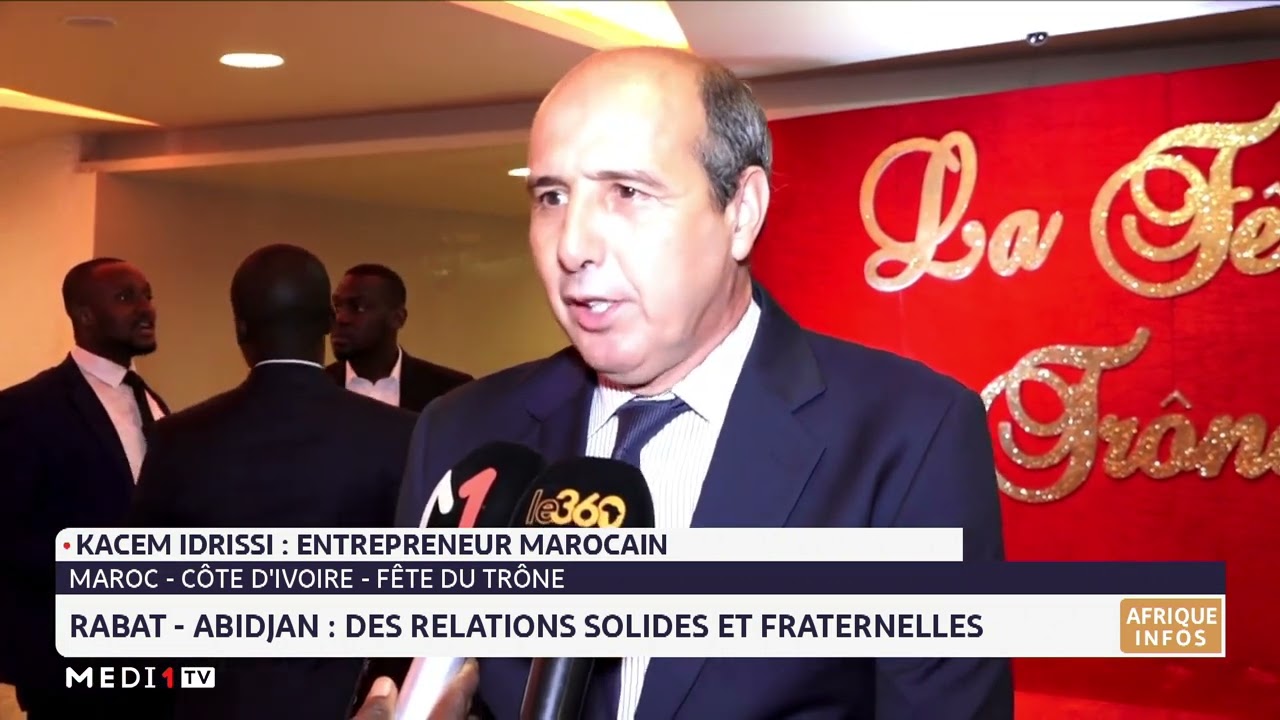
On January 2, 2026, at the prestigious Mohamed VI Museum of Water Civilization in Marrakech, the Ivorian Ministry of Sports and Living Environment convened a high-level international panel. The theme, “Sports Economy in Côte d’Ivoire: Engine of Development and Lever for Professionalization,” signaled a shift from viewing sports as mere recreation to treating it as a core sector of the national economy. This gathering of African and international experts was not an isolated event but a clear statement of intent. It underscored a collaborative commitment between Ivorian and Moroccan authorities to move beyond ad-hoc event planning and codify a genuine, sustainable African model for the sports economy.
Deconstructing the “Sports Economy”: More Than Stadiums and Tickets
To understand the ambition of Abidjan and Rabat, we must expand the traditional definition of sports economy. It transcends gate receipts and jersey sales. A mature sports economy is a holistic ecosystem encompassing:
1. Infrastructure & Urban Development
Modern, multi-purpose stadiums are just the start. The model includes ancillary developments: training academies, public sports facilities, and the transport and hospitality infrastructure that supports them. The goal is to create assets that serve communities long after a tournament ends, avoiding “white elephant” projects.
2. Professionalization & Human Capital
This is the critical lever. It involves creating structured career paths not just for athletes, but for a vast supporting workforce: sports scientists, physiotherapists, event managers, marketing professionals, and facility operators. Investing in accredited training programs builds local expertise and retains economic value within the continent.
3. Associated Industries & Investment
A thriving sports economy activates sectors like tourism, media and broadcasting, merchandising, nutrition, and fitness technology. It creates a fertile ground for SMEs and attracts foreign direct investment into related supply chains, from textile manufacturing for sportswear to agribusiness for athlete nutrition.
The Pillars of a Sustainable African Model
The proposed model, as outlined by this collaboration, likely rests on several key pillars distinct from Western or Asian approaches:
• Community-Centric Legacy: Projects are evaluated on their long-term social impact and accessibility to local populations, ensuring sports infrastructure doubles as community hubs.
• Intra-African Knowledge Transfer: Leveraging Morocco’s experience in hosting major events and developing football academies to accelerate Côte d’Ivoire’s and other nations’ pathways, fostering pan-African expertise.
• Digital Integration: Harnessing Africa’s mobile technology boom to innovate in fan engagement, athlete performance analytics, and the monetization of digital content, leapfrogging older models.
• Environmental Sustainability: Aligning with global trends and local necessity, incorporating green building standards for venues, sustainable waste management for events, and promoting eco-awareness through sports.
The Road Ahead: Challenges and Opportunities
While the vision is clear, the path requires navigating significant challenges. These include securing consistent long-term funding beyond political cycles, establishing robust governance to prevent corruption, and building the regulatory frameworks to protect athletes and attract commercial partners. However, the opportunities are monumental. A successful African sports economy model can drive youth employment, foster national pride, improve public health, and powerfully reshape the global narrative about Africa’s economic potential.
The dialogue between Abidjan and Rabat is a seminal first step. By moving from theory to actionable collaboration, they are not just planning for the next AFCON; they are drafting a blueprint for how Africa can own and leverage its passion for sport to fuel a more prosperous and resilient future.
This analysis is based on a report of the original event. For the complete details and direct insights from the participants, we recommend consulting the original source article.