








Beyond the Grid: A Deep Dive into Nigeria’s Solar Revolution
For millions of Nigerians, the constant hum of a generator or the sudden silence of a power cut is the soundtrack to daily life. The unreliability of the national grid is more than an inconvenience; it’s a significant economic and social burden. Against this backdrop, the story of one man’s substantial investment in solar energy is not just a personal anecdote—it’s a case study in a growing national movement toward energy independence.
Agba Akin’s N8 Million Leap to Energy Freedom
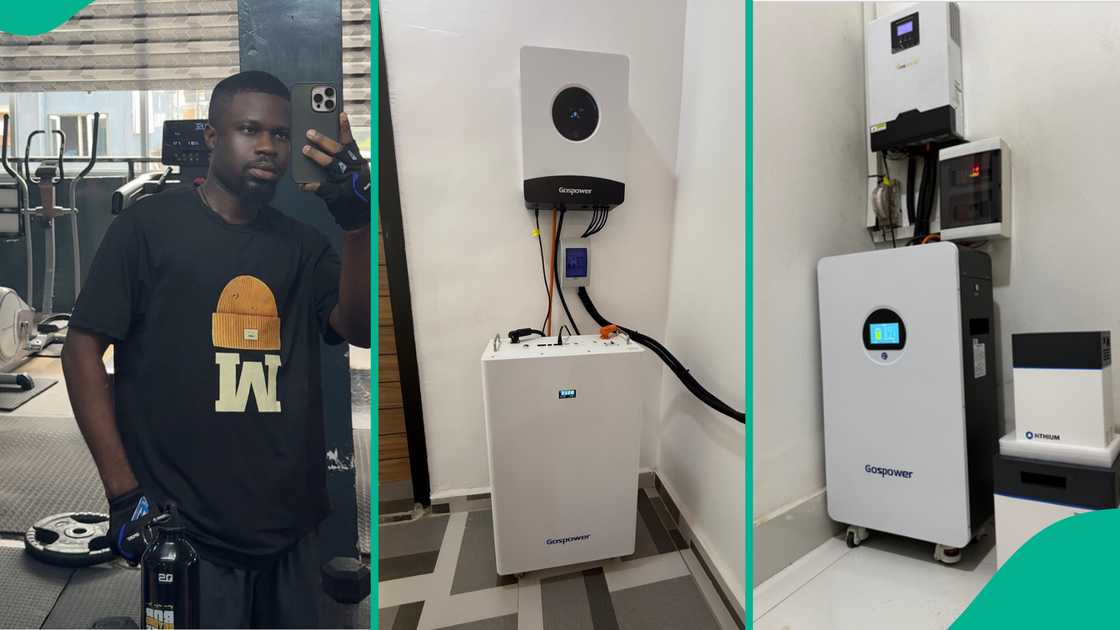
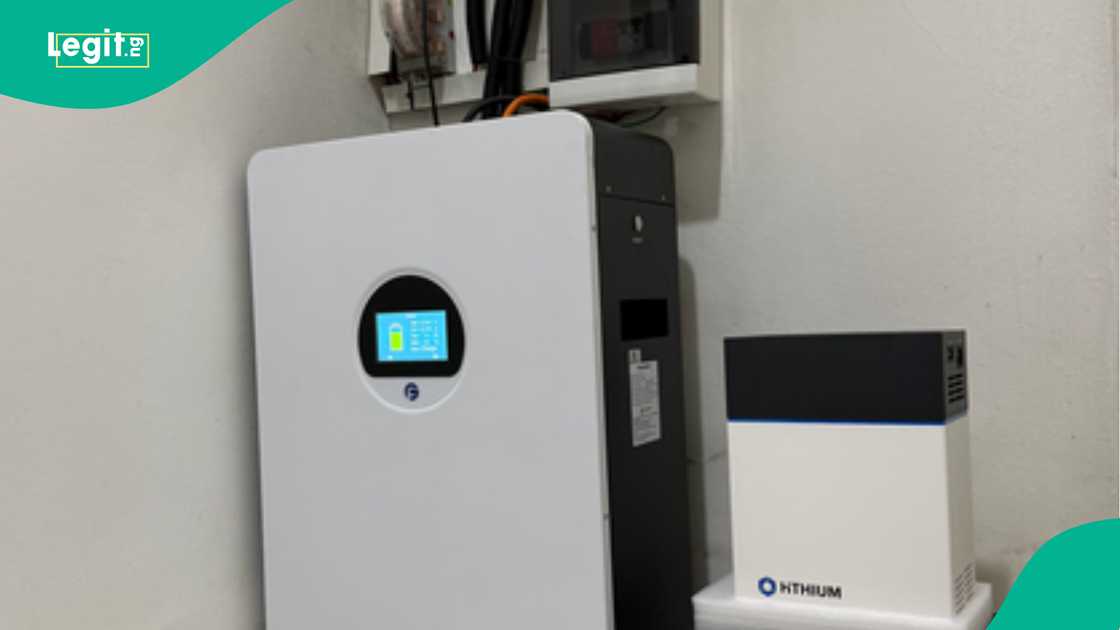
Agba Akin, a Nigerian, made a decisive move that is resonating across social media and beyond. He invested N8 million to install a comprehensive solar power system in his home, effectively migrating his primary electricity supply away from the national grid. His declaration, “I have just protected myself… I’m no longer on you,” speaks to a profound frustration with the grid’s frequent collapses and the desire for reliable, 24/7 electricity.
Source: Twitter
In a post detailing his setup, Akin revealed this was an expansion of an earlier system acquired in 2023. His sentiment is clear: this investment represents security and predictability, insulating his home and daily life from the systemic failures of the public power infrastructure.
More Than a Luxury: The Practical Calculus of Solar Investment
To the average person, N8 million (approximately $5,300 USD as of early 2025) is a staggering sum. However, a deeper analysis reveals the practical rationale behind such an investment for many middle and upper-class Nigerians.
The True Cost of “NEPA” and Generators
Reliance on the national grid (often still called “NEPA”) is typically supplemented by petrol or diesel generators. The hidden costs are immense:
- Fuel Costs: Continuously running a generator to power a home can cost tens of thousands of Naira monthly.
- Generator Maintenance & Replacement: Generators require frequent servicing and have a limited lifespan.
- Appliance Damage: Voltage fluctuations from the grid and generators frequently damage sensitive electronics like TVs, refrigerators, and computers.
- Noise and Pollution: Generators create significant noise and air pollution, impacting quality of life and health.
When viewed as a long-term capital expenditure, a robust solar system—with high-capacity lithium batteries, quality inverters, and sufficient panels—pays for itself by eliminating these recurring costs and hassles. It transforms an unpredictable operational expense into a predictable, one-time asset.
How much is solar electricity installation in Nigeria?
The Social Media Discourse: A Nation Weighing Its Options
The reaction to Akin’s post highlights the national conversation on energy.
“Best investment I made this year was installing solar in my house. Nepa don show me shege,” said @ScouserNigerian, echoing a sentiment of proactive solution-seeking.
Others, like @KepoAlawode, cautioned about total disconnection: “There’s no way you will escape NEPA… you will then understand that you need National grid even if it is just 2 hours a day.” This points to a common hybrid approach, using the grid as a backup for prolonged cloudy weather.
“Spent almost 2million naira… I have uninterrupted power 24/7… Have not used NEPA or Generator in a year now,” shared @JezebelReborn, providing a detailed account of a smaller-scale but effective system.
Reactions as man installs solar at home
The discussion also veered into the political, with @Ezeifeka_Obinna linking the move to rising tariffs, illustrating how energy decisions are deeply intertwined with broader economic policies.
The Bigger Picture: Micro-Grids and a Decentralized Energy Future
Akin’s story is part of a larger trend. As mentioned in the original article, some individuals are becoming micro-utility providers. By installing large solar setups, they can sell excess power to immediate neighbours, creating hyper-local, resilient micro-grids. This model addresses energy poverty at a community level and presents a potential blueprint for decentralized national energy infrastructure.
Key Considerations for Solar Adoption in Nigeria
For readers inspired by this story, here are critical factors to consider:
- Energy Audit: Calculate your daily kWh usage to right-size your system. An undersized system leads to frustration; an oversized one wastes capital.
- Component Quality: Invest in tier-one solar panels and reputable lithium batteries (like the Hithium brand noted). Quality ensures longevity and safety.
- Professional Installation: Proper wiring, load balancing, and safety protocols are non-negotiable. Use certified installers.
- Hybrid vs. Off-Grid: A hybrid inverter that can integrate the grid, solar, and sometimes a generator offers the ultimate flexibility and security.
- Financial Models: Explore Pay-As-You-Go (PAYG) solar financing or vendor credit if the upfront cost is prohibitive.

Conclusion: A Paradigm Shift in Power
Agba Akin’s N8 million investment is a powerful symbol of a shifting mindset. It moves beyond mere complaint to tangible, personal infrastructure development. While the high upfront cost remains a barrier for many, the falling price of solar technology and innovative financing are making this solar energy revolution more accessible. His story is less about abandoning the national grid and more about citizens taking definitive control of a fundamental aspect of modern life—reliable electricity. It underscores a path forward for Nigeria and similar markets: a future where energy is increasingly generated, stored, and managed at the point of use, creating a more resilient and empowered society.
This analysis expands on the original report to provide context, practical explanation, and a broader view of the renewable energy trend in Nigeria.

Source: Twitter