











A serious traffic accident on National Road No. 01 near Ras Al-Rih, Djelfa, has left four individuals injured, serving as a stark reminder of the heightened dangers present on roadways after dark. The collision, which occurred around 22:40, involved a multi-vehicle chain reaction, a scenario that often points to complex contributing factors beyond simple driver error.
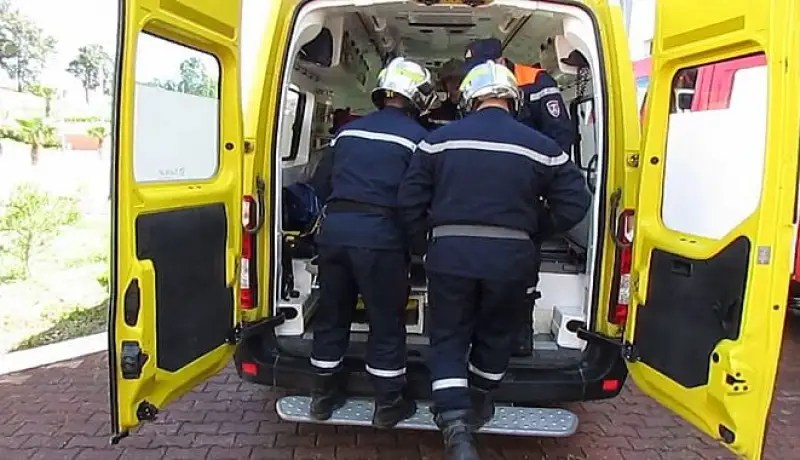
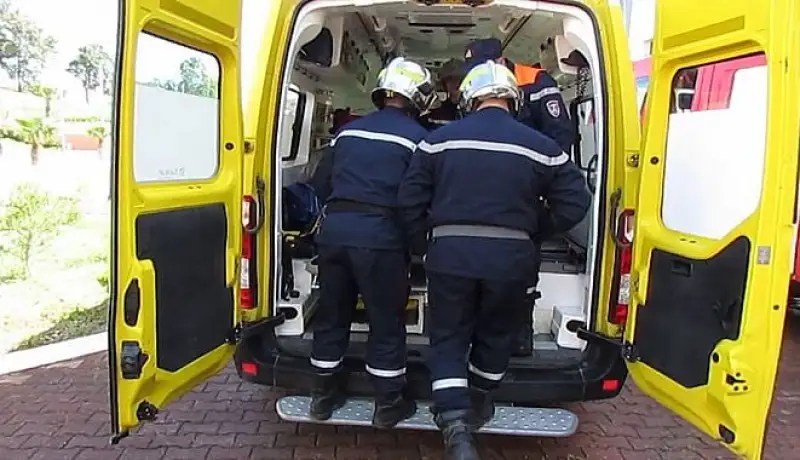
According to the official statement from Civil Protection services in Djelfa province, the incident involved a “Harbin DFSK” truck and two passenger vehicles: a “Citroën” and a “Volkswagen Teramont.” The four victims, aged between 31 and 38, sustained injuries requiring immediate medical intervention. Civil Protection’s main Djelfa unit responded swiftly, providing critical on-site first aid before transporting the injured to Mohamed Abdelkader Hospital in the Chaabani neighborhood for further treatment.
While the official report provides the basic facts, understanding the broader context is crucial for all road users. Chain-reaction collisions, like this one, are particularly dangerous. They often begin with an initial impact—such as sudden braking, an obstacle on the road, or a loss of control—that leaves following vehicles with insufficient time or space to react, creating a cascading effect. The involvement of a large truck significantly increases the risk of severe outcomes due to the massive disparity in weight and momentum compared to passenger cars.
The timing of this accident—after 10:40 PM—highlights a critical and often underappreciated risk factor: nighttime driving. Visibility is drastically reduced, depth perception is impaired, and driver fatigue becomes a more prevalent threat. The human body’s natural circadian rhythm dips in alertness during late-night hours, slowing reaction times. Furthermore, the glare from oncoming headlights can be disorienting, and wildlife or unexpected road hazards are harder to spot.
In light of this incident, the Civil Protection services have renewed their urgent appeal for caution, vigilance, and strict adherence to traffic safety rules, especially during nighttime periods. This advisory should be heeded as a call to action. Practical steps for safer night driving include:
- Increasing Following Distance: Double or triple the standard gap between you and the vehicle ahead to compensate for reduced reaction time.
- Ensuring Optimal Visibility: Clean all windows, mirrors, and headlights. Ensure your headlights are properly aimed and use high beams responsibly on unlit roads.
- Managing Fatigue: Recognize the signs of drowsiness (heavy eyelids, drifting lanes, frequent yawning) and pull over in a safe location for a break.
- Adjusting Speed: Drive at a speed that allows you to stop within the distance illuminated by your headlights.
This accident on RN01 is not just a statistic; it is a case study in the compounded risks of multi-vehicle interactions and low-light conditions. The prompt response by emergency services undoubtedly mitigated the severity of the outcome. However, the ultimate responsibility lies with every individual behind the wheel to internalize these lessons, transforming the Civil Protection’s general warning into personal, life-saving habits. As traffic continues to flow on this vital national route, let this event reinforce the non-negotiable commitment to defensive driving and heightened awareness that darkness demands.