










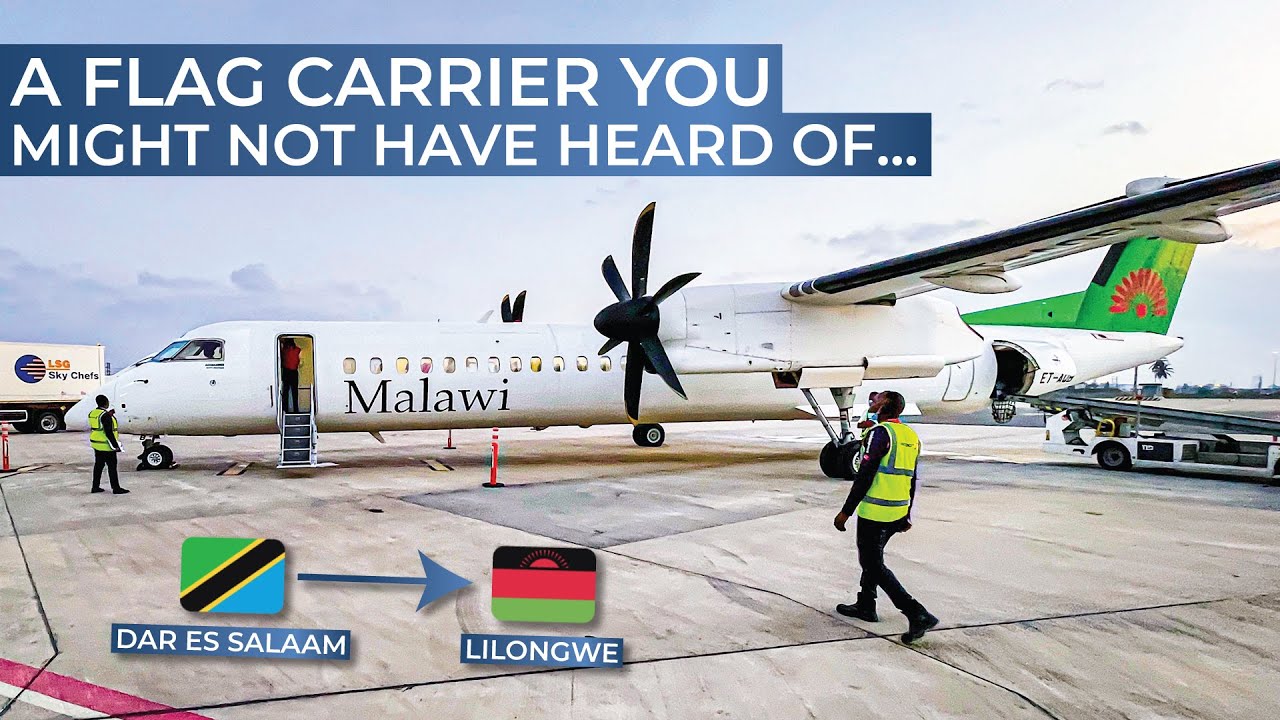
Malawi Airlines’ launch of a direct, four-times-weekly service between Lilongwe and Entebbe is more than just a new flight schedule. It represents a strategic pivot in African aviation, a direct response to surging post-pandemic commerce, and a tangible artery for deepening economic integration between Southern and East Africa. This analysis moves beyond the announcement to explore the route’s multifaceted implications for trade, logistics, and regional development.
Key Business Points
The Strategic Rationale: More Than Just Passenger Traffic
While passenger convenience is a factor, the core driver of this route is trade facilitation. The direct link bypasses traditional hubs like Nairobi or Addis Ababa for cargo and business travelers, slashing journey times and logistical complexity for perishable goods and time-sensitive shipments.
- Trade Complementarity: Uganda is a major producer of coffee, tea, and horticultural products, while Malawi’s strengths lie in tobacco, sugar, legumes, and increasingly, macadamia nuts. This route creates a direct channel for agricultural exchange and value-addition partnerships.
- Logistics Revolution: For Malawian entrepreneurs (wafu waku Malawi), accessing East African markets just became simpler. A businessperson can now travel to Kampala for meetings and return within 48 hours, a near-impossibility with previous multi-stop itineraries.
- Network Synergy: As CEO Solomon Bekele Debay noted, this route integrates with existing services to Nairobi and Dar-es-Salaam. It effectively turns Lilongwe into a mini-hub, allowing travelers from Uganda to connect seamlessly to destinations like Johannesburg, Harare, and Lusaka on a single airline network.
Decoding the “Post-Covid Business Boom”: Data and Demand
The referenced “boom” is evidenced by concrete factors. Regional trade blocs like the African Continental Free Trade Area (AfCFTA) are moving from theory to practice, increasing demand for face-to-face negotiations. Furthermore, the pandemic accelerated digital adoption, but it also proved the irreplaceable value of physical presence for sealing deals and managing supply chains. Malawi Airlines’ report of “impressive bookings” prior to launch signals that this latent demand was significant and quantifiable.
The Ethiopian Airlines Factor: A Blueprint for Success
The article mentions the 49% stake held by Ethiopian Airlines (Africa’s largest and most profitable carrier). This is not a passive investment. It provides Malawi Airlines with critical advantages:
- Technical and Operational Expertise: Access to Ethiopian’s renowned maintenance, safety, and operational procedures.
- Purchasing Power: Leverage in negotiating for aircraft, parts, and fuel through the larger group.
- Global Connectivity: Passengers from Uganda can potentially book a single ticket via Lilongwe onto Ethiopian’s vast intercontinental network, increasing the route’s appeal.
This partnership model mitigates the high risk that has doomed many African national carriers.
Flexibility and Future Growth: A Data-Driven Approach
Charles Ng’ambi’s statement on starting with four flights and reviewing based on patronage is a sign of commercial maturity. It indicates a shift from politically-motivated route scheduling to a demand-driven model. Key growth indicators will likely include:
- Cargo Load Factors: The volume of air freight, particularly fresh produce and manufactured goods.
- Business Class Occupancy: A direct proxy for corporate and trader usage.
- Connection Traffic: The number of passengers from Entebbe transiting in Lilongwe to southern African destinations.
Success on these metrics could see frequency increase to daily flights, unlocking even greater economic potential.
The Broader Economic Impact: Catalyzing Ufumu wa Malawi (Malawi’s Economy)
This route is infrastructure in the sky. It directly supports Malawi’s national export strategy by reducing the cost and time of doing business. For Uganda, it provides easier access to the Southern African Development Community (SADC) market. The increased people-to-people and business-to-business interactions (kukula kwa njira za ubale) foster knowledge transfer and can spur investment in sectors like tourism, agro-processing, and technology.

Conclusion: The Lilongwe-Entebbe route is a bellwether for a new era of pragmatic, trade-focused aviation in Africa. It transcends tourism, serving as a critical piece of economic infrastructure that empowers entrepreneurs, integrates regional value chains, and demonstrates how strategic airline partnerships can drive tangible development. Its success will be measured not just in passenger numbers, but in the growth of bilateral trade volumes and the new business partnerships it enables.
What are your thoughts on this business development? Share your insights and remember to follow us on Facebook and Twitter for the latest Malawi business news and opportunities. Visit us daily for comprehensive coverage of Malawi’s business landscape.
Post Views: 204