







An analysis of Ahmed al-Ahmed’s split-second decision: How a single act of civilian bravery disrupted a mass shooting, the science of the ‘bystander effect,’ and what it reveals about societal resilience in the face of terror.
Published On 14 Dec 2025
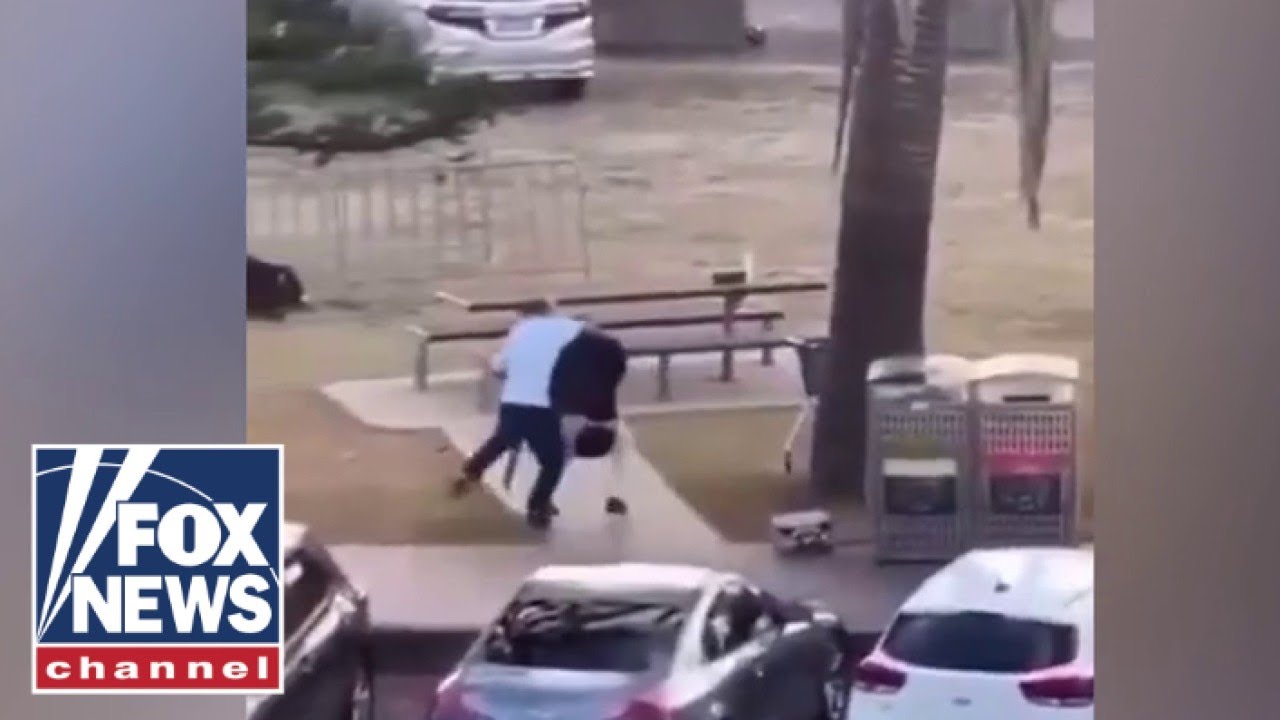
In the chaotic aftermath of a horrific shooting at a Jewish holiday event in Sydney’s Bondi Beach—an attack that left at least 11 people dead—a single piece of footage has emerged as a powerful counter-narrative to the terror. It shows a bystander, later identified as 43-year-old Sydney man Ahmed al-Ahmed, performing an act of extraordinary, instinctive bravery: tackling a gunman, wrestling away his rifle, and disarming him. While officials and social media users have rightly hailed him as a hero, a deeper examination of his actions reveals critical insights into crisis psychology, the mechanics of interrupting mass violence, and the profound societal impact of such interventions.
The widely circulated video is more than just a recording; it is a real-time case study in overcoming the “bystander effect.” This well-documented psychological phenomenon suggests that individuals are less likely to offer help in an emergency when other people are present, due to a diffusion of responsibility. Ahmed al-Ahmed’s immediate, solo sprint toward the armed assailant defied this instinct. Experts in threat response note that such decisive action by even one person can “break the script” of a mass shooting, which often relies on predictable panic and passive victims. By physically engaging, he not only neutralized one threat but likely created a crucial moment of disruption and uncertainty for any other attackers, potentially preventing a significantly higher casualty count.
Recommended Stories
The tactical sequence in the video is telling. After the tackle and disarmament, the footage shows the bystander pointing the weapon at the assailant before deliberately placing it on the ground. This critical detail highlights a nuanced understanding of immediate threat management—gaining control of the weapon was the priority, but he avoided becoming an armed pursuer himself, a scenario that could have led to tragic misidentification by arriving police. He then secured the firearm, removing it from the equation entirely. This split-second decision-making under extreme duress and physical danger—Ahmed was reportedly shot twice during the incident—underscores a level of composed courage that transcends simple instinct.
The context of the attack, targeting a Jewish festival, casts Ahmed’s actions in an even more significant light. In an era where communal violence and targeted hate crimes are a global concern, his intervention stands as a powerful, non-sectarian defense of communal safety. As New South Wales Premier Chris Minns stated, it was “the most unbelievable scene I’ve ever seen.” Prime Minister Anthony Albanese’s praise for Australians who “run towards danger” speaks to a national value, but Ahmed’s act resonates universally. His cousin’s simple declaration, “He’s a hero 100 per cent,” captures the profound human gratitude for those who shield others.
While the investigation continues into whether a third gunman was involved, and as Ahmed al-Ahmed undergoes surgery, the legacy of his actions is already taking shape. Beyond the lives directly saved, such public acts of bravery have a documented societal impact: they can strengthen community resilience, provide a narrative of hope amidst tragedy, and model the possibility of effective civilian response. His heroism does not diminish the profound tragedy of the attack, but it does offer a crucial lesson in agency—that even in the face of planned terror, the courageous intervention of one individual can alter the course of events and define the memory of a dark day.