









The security situation in South Kivu has deteriorated sharply, with the AFC/M23 rebel coalition capturing strategic locations in rapid succession. Following the fall of Uvira, rebel forces have now occupied Kipupu in Mwenga territory and Makobola 2 in Fizi territory, bringing them deeper into the mineral-rich and historically contested region.
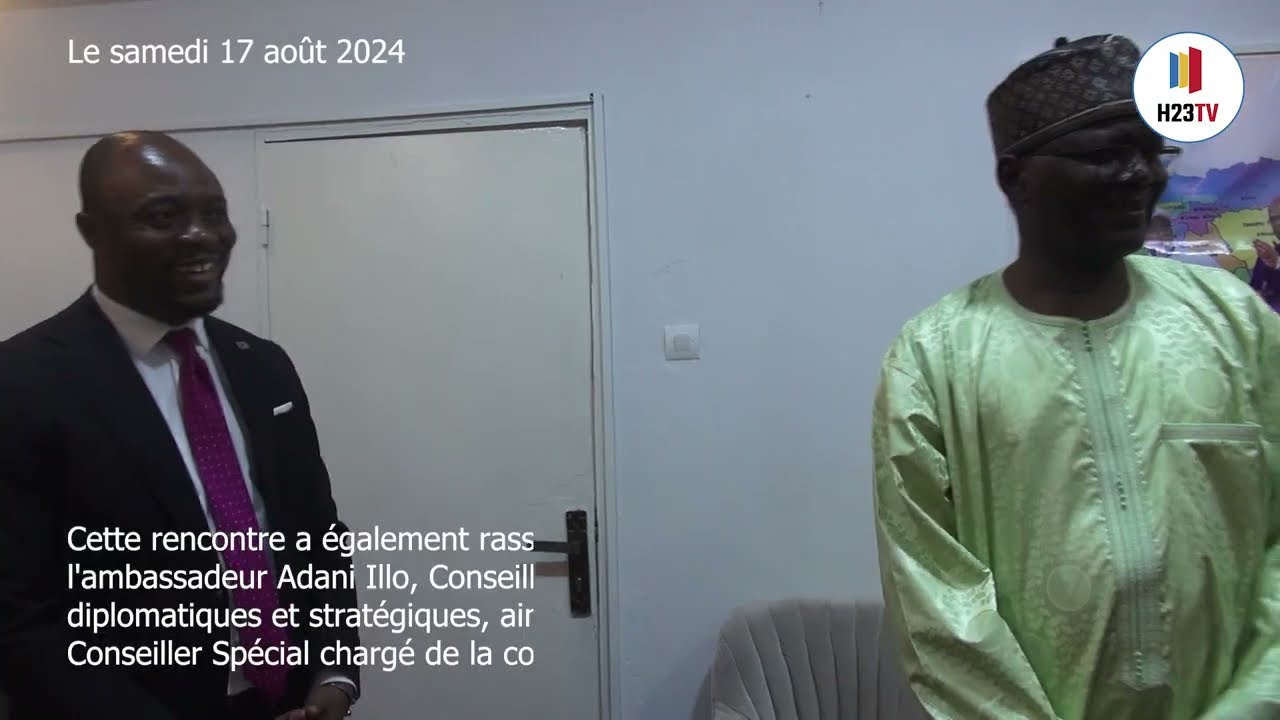
In response to this alarming advance, Samy Badibanga Kalonji, the Territorial Administrator of Fizi, has issued a direct and urgent appeal to the international community. His call, however, is not a generic plea for help. He specifically targets the United States, urging Washington to use its considerable diplomatic and economic leverage to compel Rwanda to withdraw its military support for the AFC-M23 rebels. This accusation is not new but is central to the conflict’s dynamics. The DRC, multiple UN expert reports, and Western governments have long alleged that Rwanda provides troops, weaponry, and strategic guidance to the M23, a charge Kigali consistently denies. The administrator’s statement reframes the conflict from a domestic insurgency to a regional proxy war, placing the onus for de-escalation on an external power broker.
The Digital Front: Disinformation as a Strategic Weapon
Administrator Badibanga’s warning extends beyond the physical battlefield. He highlights a critical, modern facet of the conflict: the systematic use of disinformation as a digital weapon. The rebel strategy, he explains, involves flooding communication channels—particularly social media and messaging apps—with false claims of victories, exaggerated troop strength, and narratives of impending collapse. The goal is threefold: to sow panic among civilians, create diversions for military maneuvers, and, most insidiously, to erode public trust in the Congolese Armed Forces (FARDC) and their allied local militias, known as Wazalendo (Patriots). This “cognitive warfare” seeks to win the conflict in the minds of the population before it is decided on the ground, making civilian vigilance a stated component of national defense.
A Call for Resilience and Context
While urging calm and support for the FARDC, the administrator’s message also implicitly acknowledges the profound challenges faced by the state. His reference to the “significant sacrifices” of the President and government hints at the immense financial and logistical burden of sustaining military operations across a vast country. The promise to “recapture territories and restore peace” underscores a reactive posture, suggesting government forces are currently on the defensive in Fizi.
This localized report from Fizi is a microcosm of the wider crisis in Eastern DRC. It encapsulates the lethal intersection of armed aggression, alleged foreign sponsorship, and 21st-century information warfare. The administrator’s targeted appeal to the USA reflects a calculated understanding of international power dynamics, recognizing that lasting security may depend less on direct intervention in Congo and more on decisive diplomatic pressure on its neighbor, Rwanda. The path to peace in Fizi, therefore, appears to run through distant capitals as much as through the hills of South Kivu.
This analysis is based on reporting from the original source. For the complete firsthand account, including the administrator’s audio statement, please refer to the original report (Source).