










Beyond the Kitchen: How Bamako’s Female Restaurateurs Are Leading a Food Safety Revolution
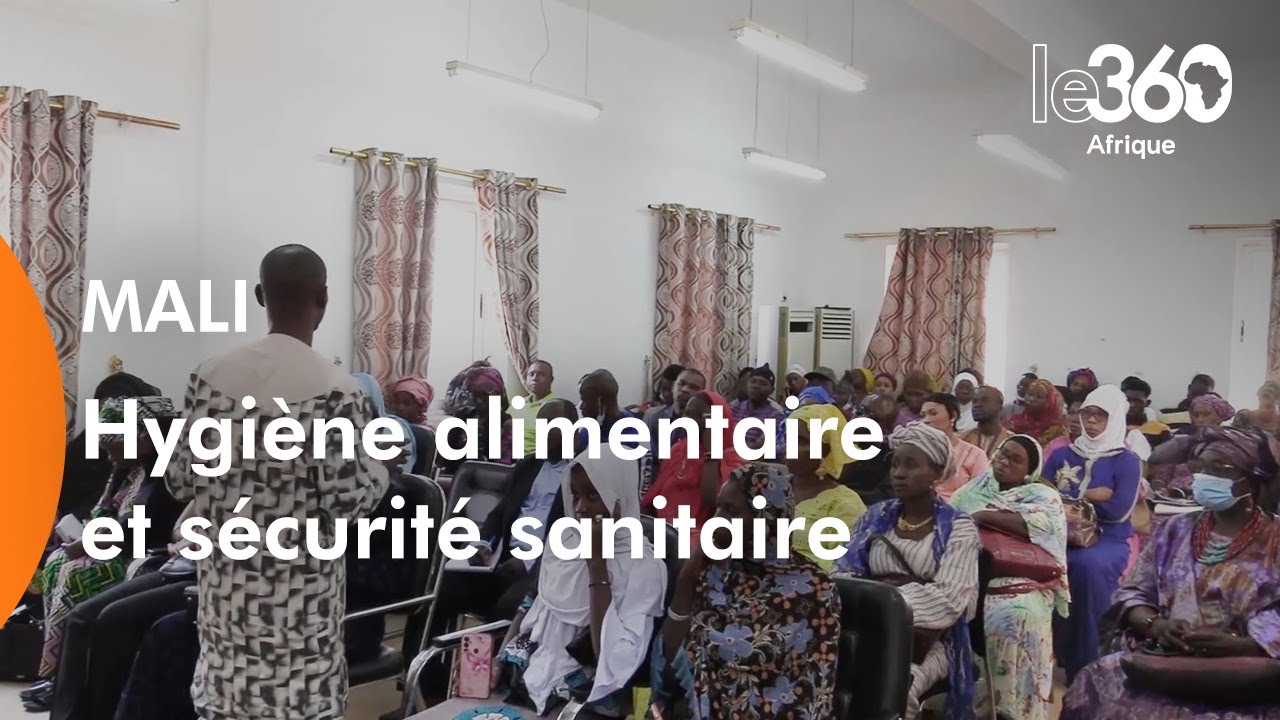
A recent culinary event in Bamako marked more than just the end of a training program; it signaled a potential turning point for public health and economic empowerment in Mali’s bustling street food sector. On December 26, 2025, a ceremony organized by the Food and Agriculture Organization of the United Nations (FAO) and funded by Luxembourg Cooperation put the skills of dozens of female street food vendors to the test, blending rigorous assessment with the celebration of local gastronomy.
A Tasting with a Mission: Assessing Real-World Impact
Following three days of intensive food safety training, approximately fifty participants—including street food vendors, health inspectors, and control agents—convened at the National Agency for Food Safety (ANSSA). The core activity was a practical examination: three stands were set up where vendors prepared beloved local dishes like Fakwoye, Tiep, and Foyo. The critical difference? Every step adhered to the newly instilled hygiene and food safety standards.
This was far from a simple meal. The event served as a vital benchmark to measure the training’s translation from theory to daily practice. “Healthy food is fundamental to human health,” stated Sory Bouaré from the World Health Organization (WHO), highlighting the initiative’s significance. He urged participants to become ambassadors for safe food practices, creating a ripple effect of consumer protection throughout Bamako’s communities.
Similar articles
Why This Training Matters: The Stakes of Street Food Safety
Dr. Diarra Dioumé Cissé of ANSSA provided crucial context, noting that while street food is a vital pillar of the urban economy and a cornerstone of Malian culture, it is often vulnerable to hygiene shortcomings. These can range from improper handwashing and unsafe food storage to cross-contamination, leading to foodborne illnesses that disproportionately affect vulnerable populations. This FAO-led training directly addresses these risks, aiming to professionalize the sector from within.
Dr. Abdoul Aziz Kossibo from FAO emphasized the program’s practical design: “These three days allowed us to confront theory with on-the-ground reality. It is now essential for restaurateurs to apply these new experiences in their daily work.” This focus on actionable knowledge—such as proper handwashing techniques and safe thawing methods highlighted by participant Mrs. Bocoum Thièdô Koïta—is what transforms guidelines into lasting behavioral change.
Voices from the Front Lines: Restaurateurs Share Their Gains
The true measure of the program’s success lies in the testimonials of the female restaurateurs themselves. Mrs. Haidara Fatoumata Sidibé, a restaurateur at Musso Dembé, explained, “This training allowed me to better master the entire food chain, from the choice of raw materials to the preparation of dishes.” This holistic understanding is key to preventing contamination at its source.
Mrs. Salimata Marra from the Bamako District Restaurateurs Association pointed to broader implications: “We have learned major innovations in hygiene and health analyses, capable of further professionalizing the sector and strengthening consumer confidence.” This shift is profound. By building trust through demonstrably safer practices, these entrepreneurs can secure more loyal customers, improve their livelihoods, and elevate the reputation of street food as a whole.
A Regional Vision for Safer Food
This initiative in Bamako is not an isolated project. It is part of the larger regional effort titled “Strengthening the capacity to respond to food safety emergencies and improving the sanitary quality of street food,” implemented across Mali, Burkina Faso, and Senegal. This regional approach allows for the sharing of best practices and creates a unified front against foodborne diseases, proving that food safety is a cornerstone of both public health and sustainable economic development in West Africa.
The December tasting ceremony was more than a final exam; it was a showcase of empowerment. By equipping Bamako’s female food vendors with knowledge and authority over food hygiene standards, the project fosters a new generation of culinary entrepreneurs who are not just feeding the city, but safeguarding its health and leading its economy.
Learn more about Mali 24
Subscribe to get the latest posts sent to your email.
Source: Coulibaly A / Mali24